farhane.png

7 January 20260

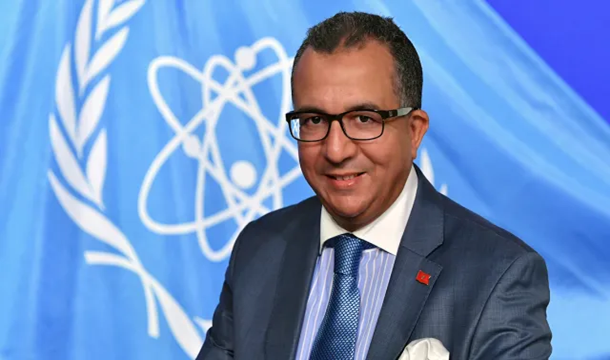
H.E. Azzeddine Farhane, Morocco’s Ambassador to Austria and Permanent Representative to the International Organisations in Vienna, has recently been elected Vice-Chair of the IAEA Board of Governors, underlining Morocco’s growing leadership role in multilateral nuclear diplomacy.

Graduated in political science, journalism and international law, Ambassador Farhane joined Morocco’s Ministry of Foreign Affairs early in his career, developing expertise in disarmament, human rights, and multilateral negotiations. His career includes serving as Chair of the Vienna Chapter of the Group of 77 and China, where he coordinated the positions of over 130 developing nations within UN bodies such as the IAEA, UNIDO, and UNODC. He also represented Morocco in the Nuclear Security process, highlighting the country’s commitment to global nuclear security, and served as Director General for UN Affairs in Morocco’s Foreign Ministry. Elected by acclamation as President of the 64th IAEA General Conference in 2020, he promoted dialogue and inclusiveness amid global challenges.

In his capacity as Vice-Chair of the IAEA Board of Governors, Ambassador Farhane aims to strengthen dialogue, trust, and consensus within the Agency, ensuring that all member states feel represented. Drawing from his experience leading the G77, he intends to foster inclusiveness and transparency in decision-making. His priorities include maintaining balance among the IAEA’s three pillars: safety, security, and safeguards, while emphasizing the importance of technological cooperation for development. He also seeks to make Africa’s voice heard in the Board’s deliberations, ensuring that the continent’s growing interest in nuclear applications for health, agriculture, and energy is fully supported by the Agency.

Morocco’s role in the IAEA reflects its position as a bridge-builder between North and South.

Morocco’s Vice-Chair role in the IAEA reflects its position as a bridge-builder between North and South. Through institutions like CNESTEN and AMSSNuR, Morocco not only develops its national nuclear infrastructure but also serves as a regional hub for training and capacity-building in Africa. The country has taken leadership roles in promoting the interests of developing nations and advocating for stronger technical cooperation funding, underlining the social and developmental value of nuclear technology.

Besides, Morocco’s vision within the IAEA aligns with its broader African policy under the leadership of King Mohammed VI to foster self-reliance, cooperation, and influence for Africa in global governance. The country’s approach to nuclear energy rests on five principles: responsibility, inclusiveness, development, preparedness, and partnership. Nuclear technologies already play a crucial role in Morocco’s national development in healthcare, radiotherapy, cancer treatment, water management, and agriculture. These applications demonstrate how nuclear science contributes directly to achieving the Sustainable Development Goals.

Morocco also seeks to act as a catalyst for Africa’s integration into the global nuclear knowledge economy, supporting capacity-building and regional centers of excellence. Ambassador Farhane concludes that Morocco sees its role in the IAEA as part of a larger African vision. Under the leadership of His Majesty King Mohammed VI, Africa is at the heart of Morocco’s foreign policy. In the Agency, this translates into concrete partnerships, training initiatives, and advocacy to ensure that African Member States are not only recipients of assistance but also active participants in shaping the Agency’s policies and standards. By doing so, Morocco will contribute to building an Africa which is more self-reliant and more influential in global nuclear governance.

H.E. Azzeddine Farhane

The interview with H.E. Azzeddine Farhane on his new role as Vice-Chair of the IAEA Board of Governors is available on the following website:

https://www.societyatl.org/attach-special-importance-to-amplifying-the-voice-of-africa-within-the-board/

THE LEADING MAGAZINE OF MODERN DIPLOMACY

SMR-2-1280x771.jpg

23 December 20250

Rabat, 22 December 2025 – As part of its ongoing commitment to strengthening nuclear safety regulatory capacities in Africa, the Moroccan Agency for Nuclear and Radiological Safety and Security (AMSSNuR) hosted a regional workshop in Rabat from 15 to 19 December 2025, dedicated to the acquisition of tools and competencies for the technical safety assessment of small and medium-sized reactors, as well as their regulatory oversight.

Organized under the European cooperation project “Strengthening Nuclear Safety Regulatory Capacity in Africa”, the workshop aimed to equip representatives of African regulatory authorities with nuclear safety analysis tools based on both deterministic safety analysis (DSA) and probabilistic safety analysis (PSA). These approaches are widely used to assess safety options for power reactors and their operational performance.

Within this framework, participants were able to deepen their understanding of DSA and PSA approaches as applied to SMR concepts, highlighting the technical specificities, challenges, and regulatory requirements that must be taken into account during the licensing process of these emerging technologies. The workshop also addressed the global status of SMR development, the technical elements to be included in a safety analysis report, the available simulation tools and their capabilities, as well as the validation methods used to support regulatory assessments.

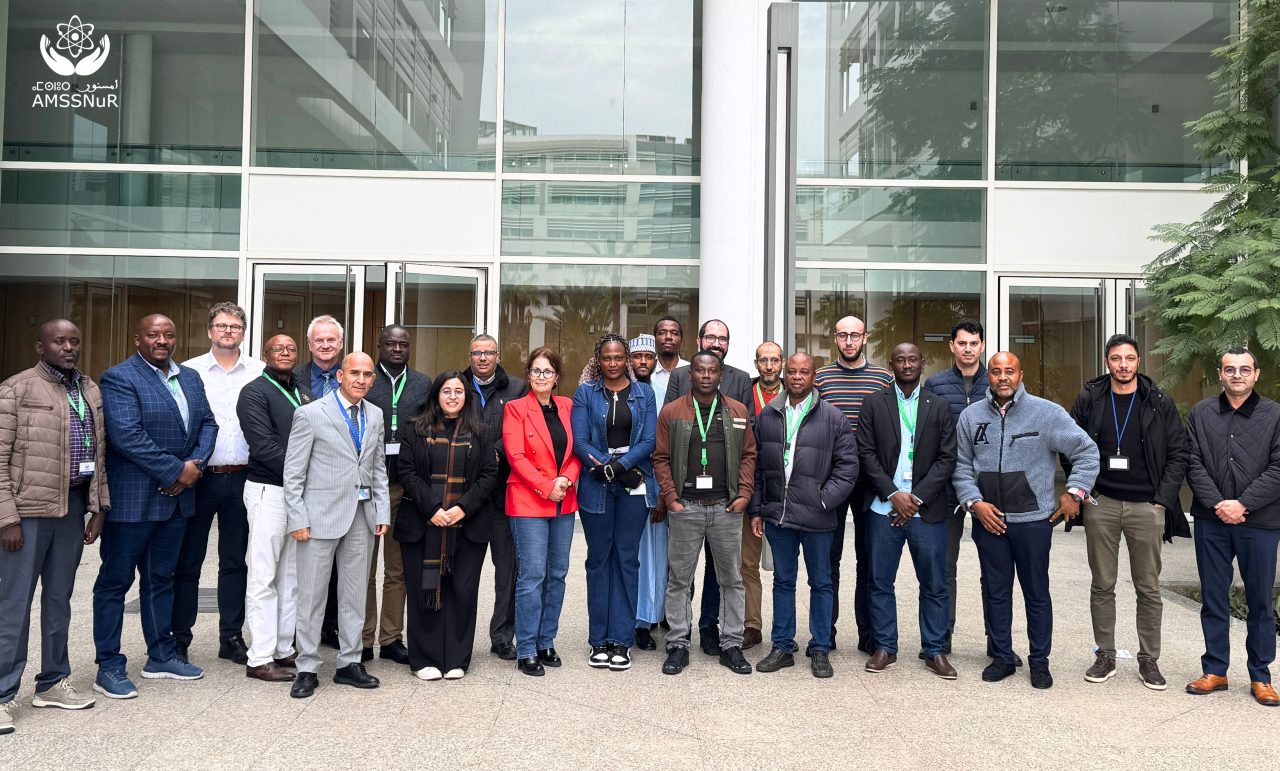
Supervised by European experts from BelV (Belgium) and GRS (Germany), the workshop benefited around twenty African specialists representing nuclear safety authorities and operators from Egypt, Ghana, Kenya, Nigeria, South Africa, and Morocco.

On this occasion, participants reviewed national presentations on the state of development of regulatory, human, technical, and organizational capacities in their respective countries. This exercise enabled the exchange of experiences, the sharing of best practices, and the identification of priorities in safety analysis and regulatory preparedness for SMRs, thereby contributing to a shared understanding of key challenges and to the harmonization of practices at the regional level.

In 2025, AMSSNuR further strengthened its contribution to the European INSC project by hosting eight regional workshops covering nuclear safety, emergency preparedness, and leadership development. These events brought together nearly one hundred experts from various countries, illustrating AMSSNuR’s continued commitment to capacity building for African authorities and to the consolidation of South–South cooperation.


NORM-1-1280x960.jpg

23 December 20250

The Moroccan Agency for Nuclear and Radiological Safety and Security (AMSSNuR) organized a national workshop in Rabat from 8 to 12 December 2025, dedicated to assessing the environmental impact of artificial radionuclides and naturally occurring radioactive materials, commonly referred to as NORM (Naturally Occurring Radioactive Materials).

This event was held within the framework of the sustained technical cooperation between the Kingdom of Morocco and the International Atomic Energy Agency (IAEA). It reflects AMSSNuR’s determination to strengthen the national nuclear and radiological safety infrastructure on a lasting basis, in full alignment with international standards and best practices.

Led by high-level experts from the IAEA, the workshop brought together representatives from the main national institutions involved in the management, monitoring, and regulation of sources of ionizing radiation. Researchers, regulators, technicians, and public decision-makers were invited to pool their expertise around a shared objective: enhancing the reliability of radiological and environmental impact assessments while strengthening the protection of populations and ecosystems.

Key discussions focused on methodologies for assessing radiological impacts on the environment, the use of data derived from environmental radioactivity monitoring, and approaches to accurately estimate doses received by members of the public. These issues are particularly significant in a context where certain industrial, mining, or medical activities may involve the use of artificial radionuclides or the presence of NORM.

The workshop also featured an in-depth presentation of the IAEA’s reference publications on environmental impact assessment and public dose calculations. These documents constitute essential normative tools for regulatory authorities and operators, providing internationally harmonized and proven methodological frameworks.

Beyond the theoretical dimension, case studies and practical sessions played a central role. Participants worked on concrete scenarios involving facilities or activities using artificial radionuclides or naturally occurring radioactive materials. These exercises aimed to strengthen operational skills and promote effective ownership of radiological environmental impact assessment tools.

Through this dynamic of cooperation and capacity building, AMSSNuR reaffirms its commitment to responsible radiological risk management, placing the protection of public health and the environment at the heart of its strategic priorities. A strong signal commensurate with the current and future challenges associated with the safe and peaceful use of nuclear and radiological technologies.


Capture-decran-2025-12-15-120410.png

15 December 20250

The Moroccan Agency for Nuclear and Radiological Safety and Security (AMSSNuR), represented by its Secretary General, Mr. Reda Nour, accompanied by the Head of the Division for Regulation and Authorization of Reactors and Associated Facilities, took part, as a member of the national committee tasked with reflecting on the prerequisite conditions for the “Clean Package” project, in the coordination meeting dedicated to the review of the Integrated Work Plan (IWP) related to the feasibility study of the “Clean Package” project based on the use of Small Modular Reactors (SMRs).

Held in Vienna from 9 to 11 December 2025, the meeting aimed to present the progress achieved to date, identify priority needs, and define areas of cooperation with the International Atomic Energy Agency (IAEA) for the next three years.

On this occasion, it was recalled that the “Clean Package” project, proposed by the Ministry of Energy Transition and Sustainable Development, forms part of a strategic approach intended to provide a sustainable solution to the challenge of seawater desalination, relying on an energy mix that combines renewable energy sources with the deployment of Small Modular Reactors (SMRs). The project had previously been the subject of technical discussions with IAEA experts in July 2025.

Furthermore, AMSSNuR plays a key role in 11 out of the 19 thematic areas that constitute the national infrastructure required for the development of a nuclear power programme. These areas notably include nuclear safety policy and radioactive waste management, the legislative and regulatory framework, nuclear safety, radiation protection, preparedness and response to nuclear or radiological emergencies, nuclear security, and safeguards.

Finally, it was emphasized that all the themes addressed and the associated actions are fully aligned with AMSSNuR’s Strategic Orientations for the 2022–2026 period, reaffirming the Agency’s commitment to ensuring the controlled, safe and secure development of nuclear applications in support of sustainable development.


CA_AMSSNuR.jpg

28 November 20250

Rabat, 26 November 2025
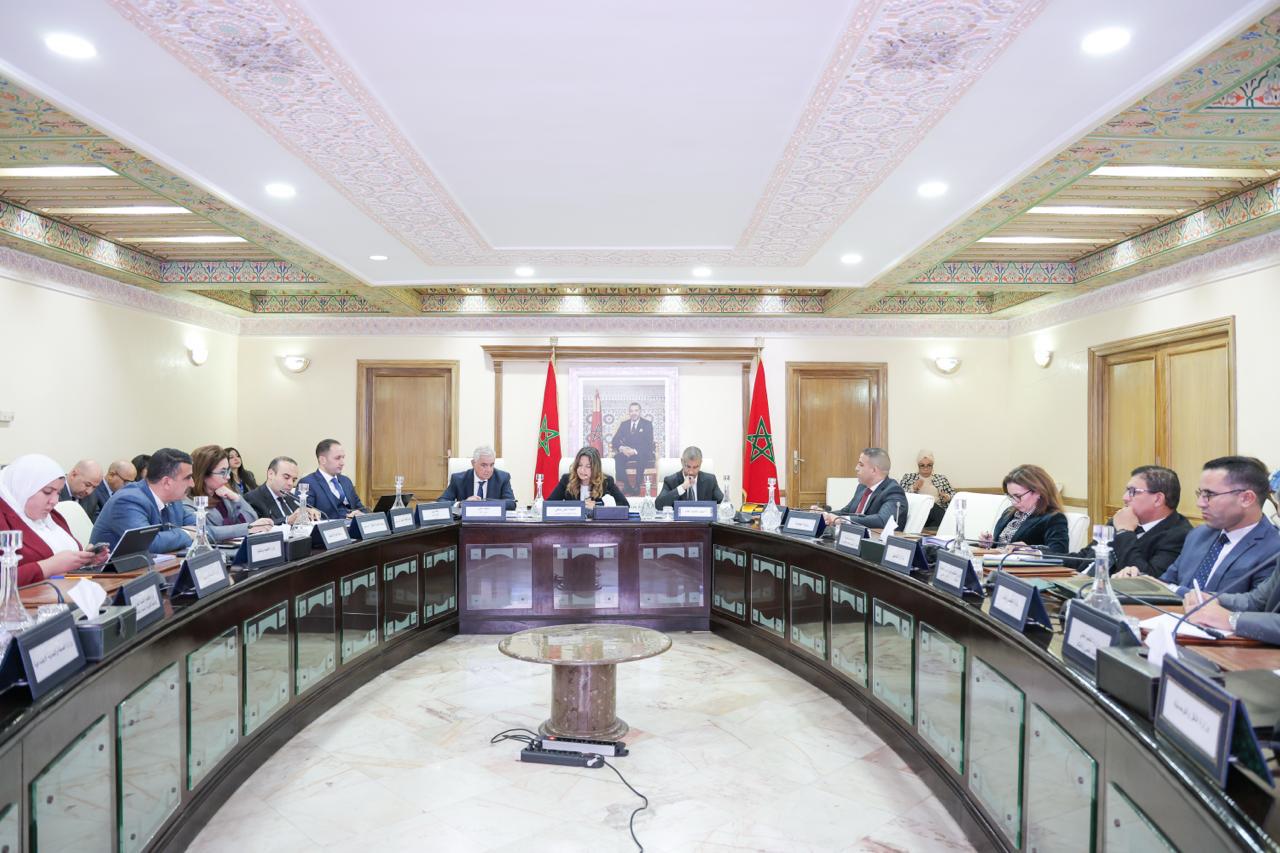
The Moroccan Agency for Nuclear and Radiological Security and Safety held the ninth session of its Board of Directors, an occasion dedicated to reviewing the achievements accomplished during the year and presenting its strategic orientations for the upcoming period.

In her opening remarks as Chair of the session, Ms. Leïla Benali, Minister of Energy Transition and Sustainable Development, emphasized the strategic importance of the Agency’s role in strengthening nuclear and radiological security and safety in the Kingdom, in full alignment with the national legislative framework and the strictest international standards. She also highlighted the progress made in implementing the provisions of Law No. 142-12.

In the context of international cooperation, Ms. Benali recalled Morocco’s commitments at the global level in matters of nuclear and radiological security and safety, as well as the dedication of national stakeholders to honour these commitments.

For his part, Mr. Saïd Mouline, Director General of the Agency, presented the key developments achieved in 2025, particularly in the fields of international and regional cooperation. These efforts led to the renewal of practical arrangements with the International Atomic Energy Agency (IAEA), aimed at strengthening national capacities in emergency preparedness and response, as well as in nuclear security. He also noted that Morocco, for the first time, obtained the highest level of full transparency in nuclear safeguards granted by the IAEA.

Mr. Mouline pointed to the growing dynamism in the health sector, reflected in the significant increase in authorization requests and inspection operations, which necessitates continuous reinforcement of human resources and logistical means to keep pace with this evolution and meet the needs of the various sectors regulated by the Agency.

The Board’s deliberations were marked by seriousness and a spirit of consensus, as members agreed on the need to maintain and intensify ongoing efforts. They commended the reforms and progress achieved by the Agency and expressed their support for its mission to protect humans and the environment from risks associated with the use of ionizing radiation sources.

This ninth session reaffirms the Agency’s commitment to strengthening transparency and good governance, while further consolidating its strategic role within the national system for nuclear and radiological security and safety.


Photo-de-groupe-Task-5--1280x960.jpg

27 November 20250

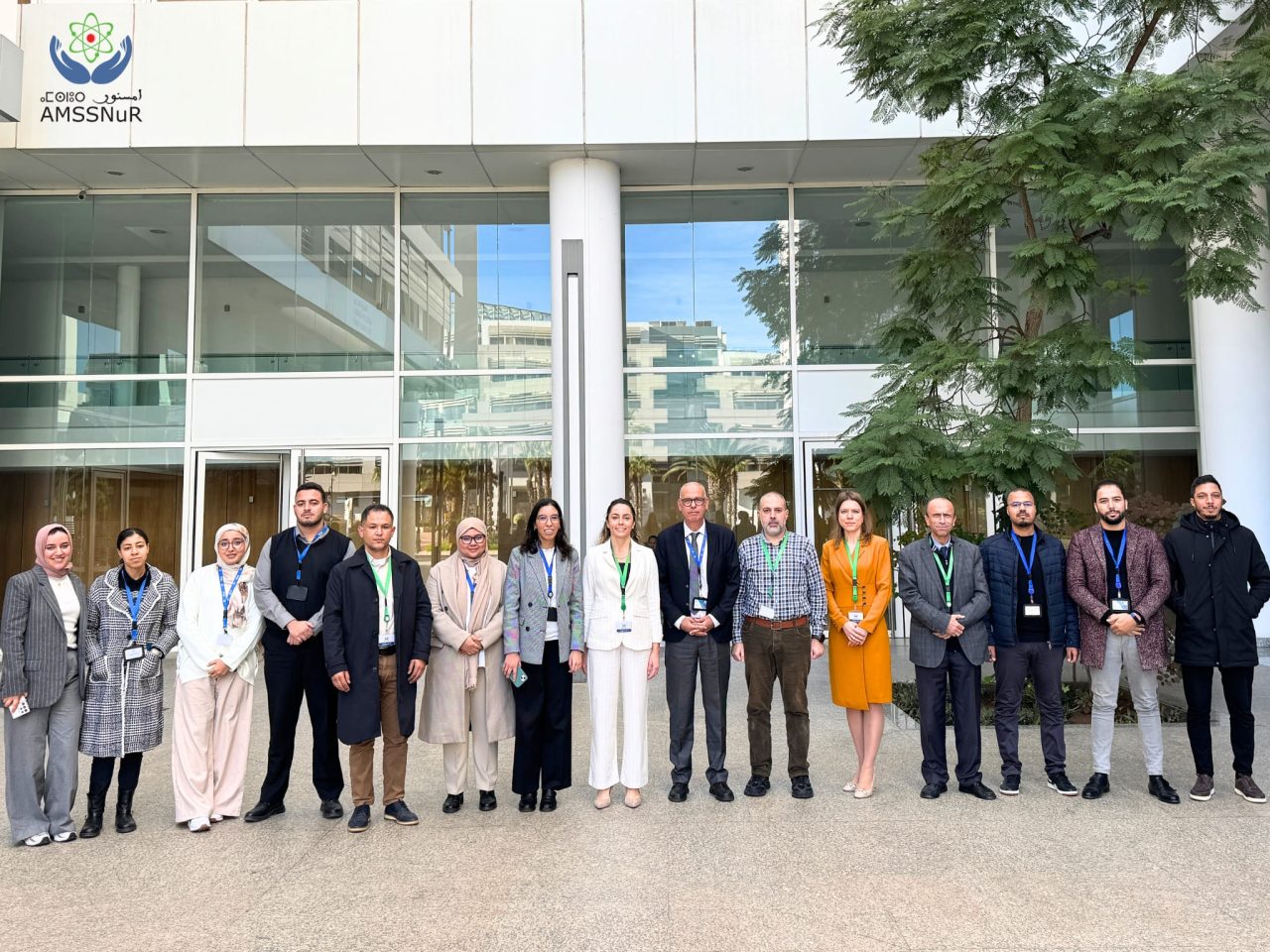
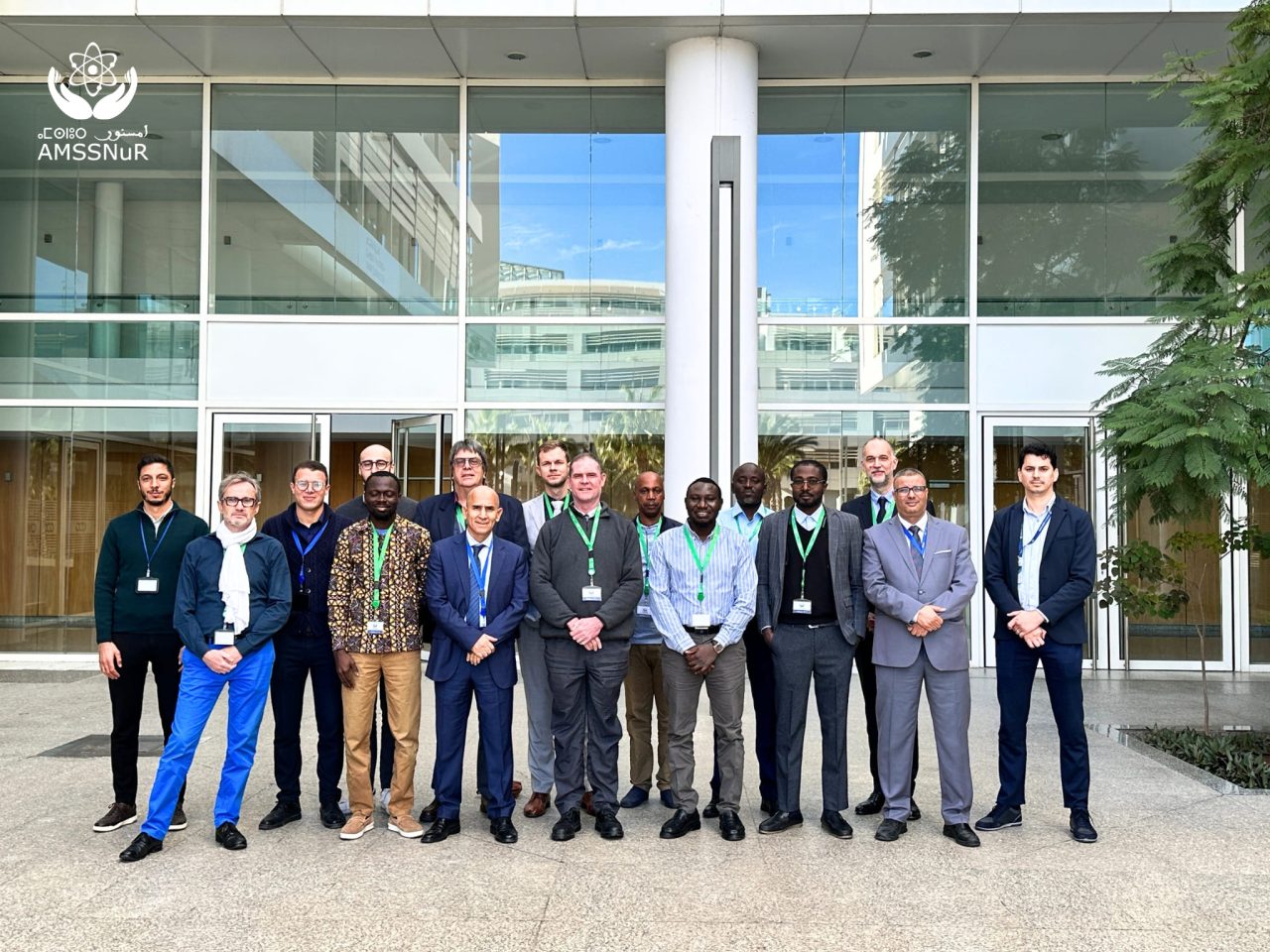
Rabat, 24 November 2025The Moroccan Agency for Nuclear and Radiological Safety and Security (AMSSNuR) is hosting, from 24 to 28 November 2025 at its headquarters in Rabat, a regional workshop on the harmonization of regulations for Small Modular Reactors (SMRs) in Africa. This initiative is part of the “Strengthening Nuclear Safety Regulatory Capacity in Africa” project, funded by the European Union for the period 2025–2029.

The primary objective of this workshop is to enhance the technical expertise of African nuclear safety authorities by harmonizing nuclear facility regulations in accordance with International Atomic Energy Agency (IAEA) standards and international best practices, particularly those applied in Europe.

The workshop brings together representatives from the nuclear safety authorities of Morocco, Egypt, Ghana, Nigeria, Kenya, and South Africa, as well as experts from the French Nuclear Safety Authority (ASNR), the Czech Nuclear Safety Authority (SÚJB), and Bureau Veritas France, providing a platform for exchange and sharing of experiences on regulatory challenges associated with the introduction of Small Modular Reactors.

During this regional workshop, participants will present existing regulatory approaches and develop national roadmaps outlining priorities for the regulation, licensing, and inspection of SMRs, in order to address the growing development of these technologies worldwide and the interest they attract from several African countries.

Furthermore, exchanges between European and African experts will deepen reflections on these regulatory approaches, promoting harmonization of practices and strengthening Europe–Africa cooperation in nuclear safety.

By hosting this workshop, AMSSNuR reaffirms its commitment to strengthening regional cooperation with peer authorities in Africa and Europe, and to developing robust and sustainable African expertise in nuclear and radiological safety and security regulation, based on collaboration, experience sharing, and the application of international safety standards.


IMG_1477-1280x616.jpg

30 October 2025

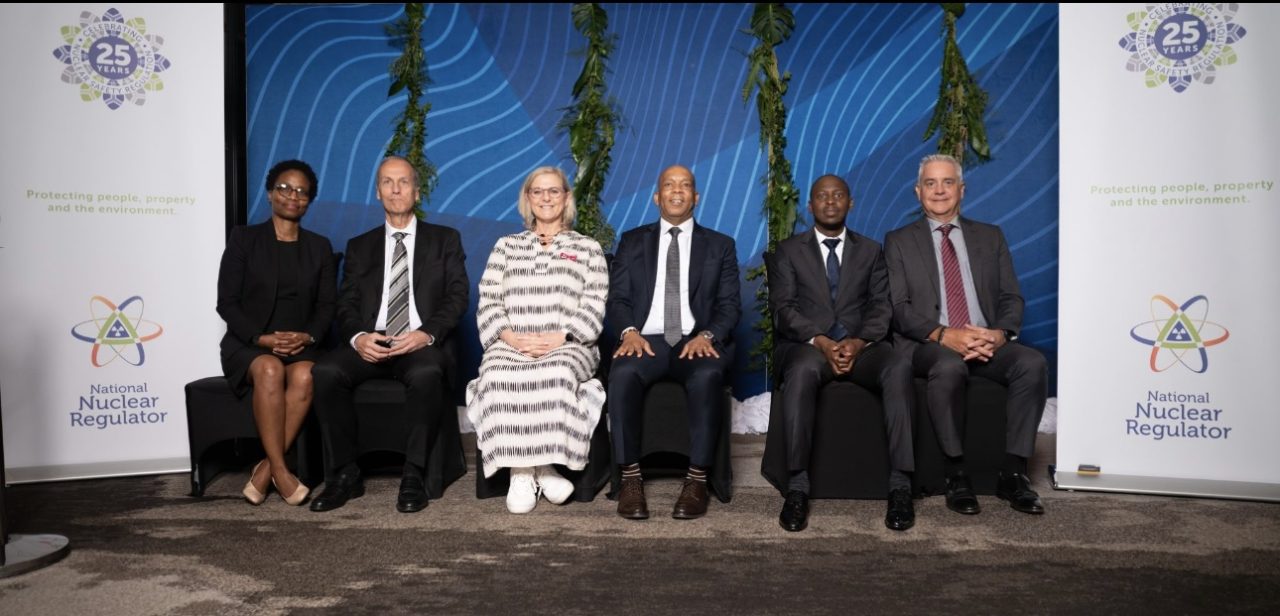
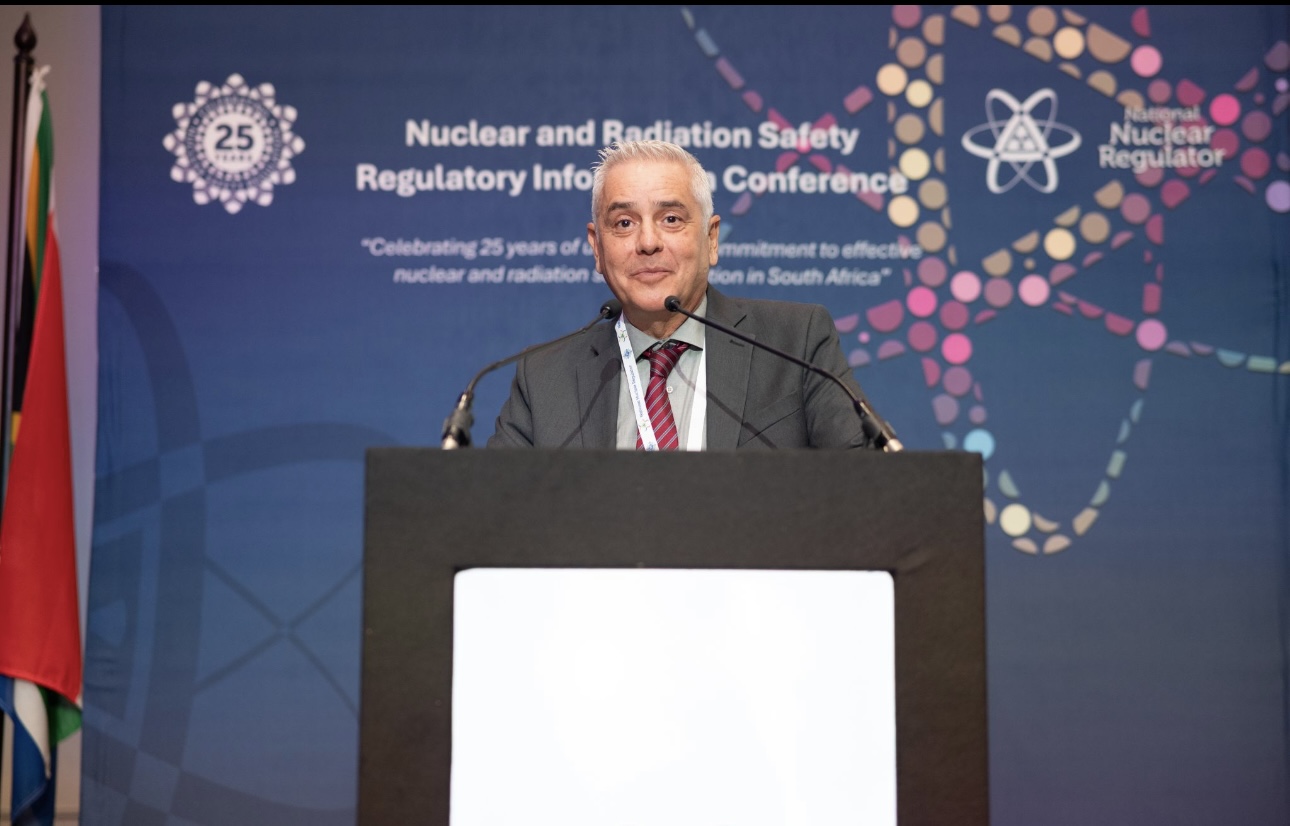
Pretoria, 28 October 2025 – At the invitation of the National Nuclear Regulator (NNR) of South Africa, Mr. Saïd Mouline, Director General of the Moroccan Agency for Nuclear and Radiological Safety and Security (AMSSNuR), took part in the Conference on Nuclear and Radiological Safety Regulation, held on 28–29 October 2025 in Pretoria, on the occasion of the NNR’s 25ᵗʰ anniversary.

During this event, Mr. Mouline was invited to serve as a panelist in Session 2, titled “Bridging Global Commitments with National Action – Policy, Treaties, and Regulatory Frameworks for Nuclear Safety.” The session focused on exploring ways to strengthen national nuclear safety regimes in Africa through the alignment of national policies with international commitments, and the establishment of effective and adaptable regulatory frameworks to ensure sustainable and coherent oversight.

Mr. Mouline’s participation in this high-level conference is part of AMSSNuR’s ongoing efforts to enhance regional and international cooperation in the fields of nuclear and radiological safety and security. It also highlights Morocco’s active contribution to developing a harmonized African regulatory framework, grounded in international standards and experience sharing among regulatory authorities.

AMSSNuR’s participation in this important event reflects its  unwavering commitment to advancing South–South cooperation in the areas of safety, security, and transparency, as well as to promoting a robust safety culture—a key component of sustainable regulation dedicated to protecting the public and the environment from the risks associated with ionizing radiation exposure.


Australia1111.jpg

29 September 2025

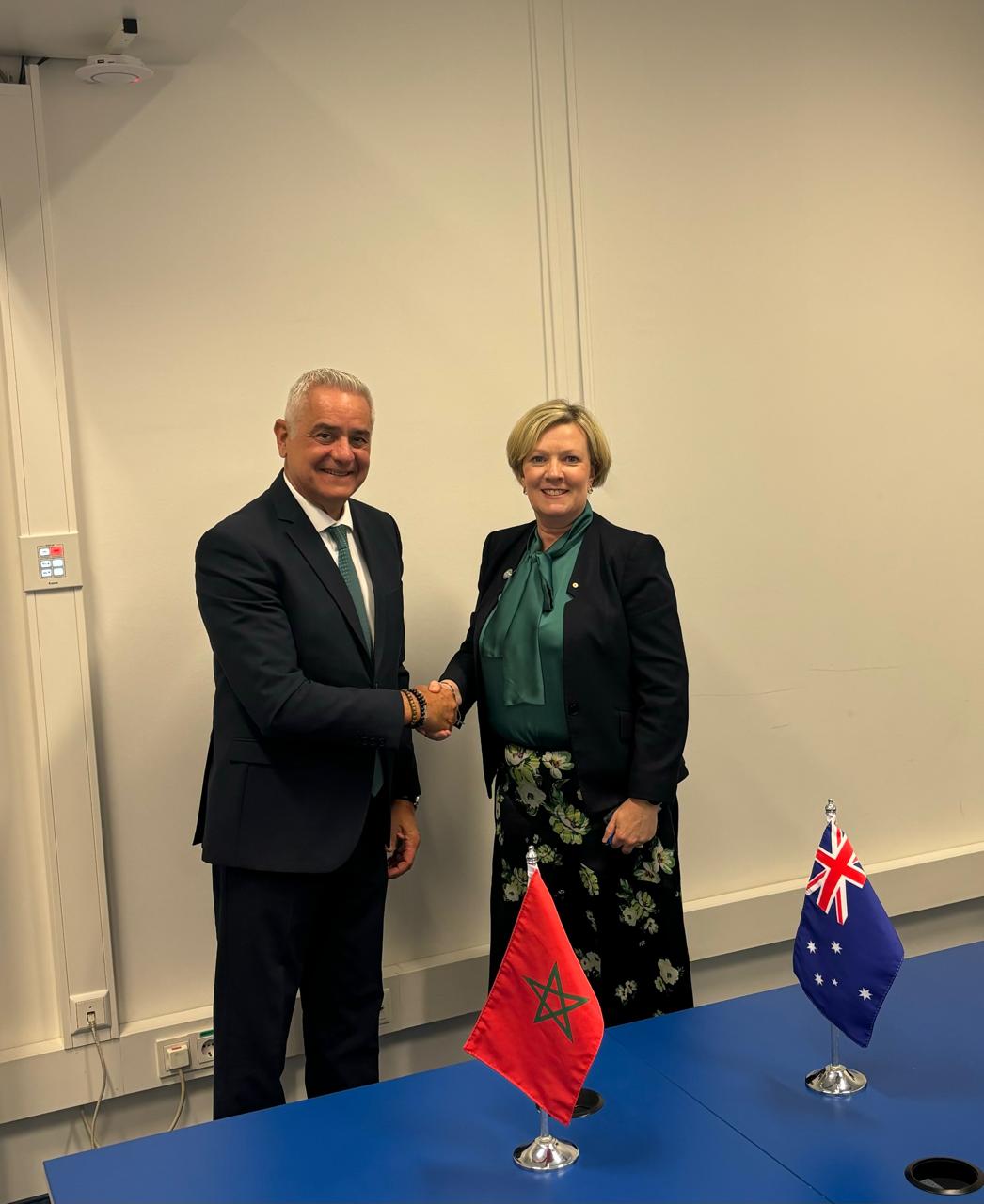
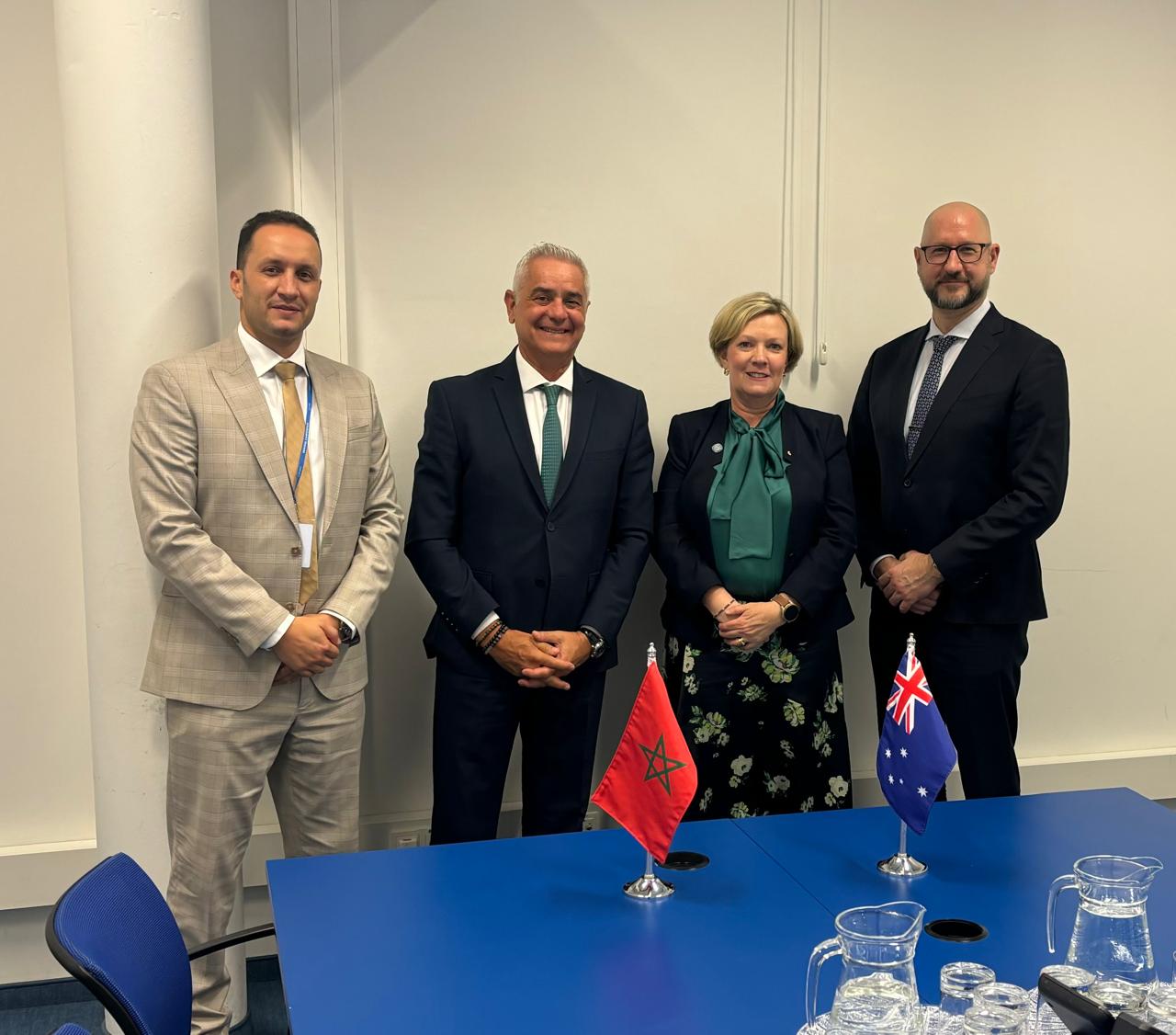
Vienna, September 2025 – On the sidelines of the 69th General Conference of the International Atomic Energy Agency (IAEA), the Moroccan Agency for Nuclear and Radiological Safety and Security (AMSSNuR) held a bilateral meeting with the Australian authorities responsible for nuclear regulation. This meeting marks an important first step towards establishing a long-term and structured cooperation between the two countries in the fields of nuclear safety, security, and safeguards.

During the meeting, both parties exchanged views on their strategic priorities, including the establishment and strengthening of regulatory frameworks, the development of technical capacities, and the promotion of a culture of nuclear safety and security. Discussions also addressed potential experience-sharing in regulatory oversight, radioactive material management, and preparedness and response to emergency situations.

For AMSSNuR, this engagement reflects a clear commitment to consolidating its regional and international role and actively contributing to the strengthening of the global nuclear safety and security regime. AMSSNuR continues to pursue bilateral and multilateral cooperation, as demonstrated by its strategic partnerships with multiple countries and international organizations.

By opening this new dialogue with Australia – a key player in the global nuclear sector – AMSSNuR aims to diversify its partnerships and pave the way for concrete collaborative projects that serve common interests and protect populations and the environment.

This initiative aligns with the Kingdom of Morocco’s vision, which places nuclear and radiological safety and security at the core of its commitment to sustainable development, international cooperation, and adherence to the highest standards set by the IAEA.


GNSSN.jpg

19 September 2025

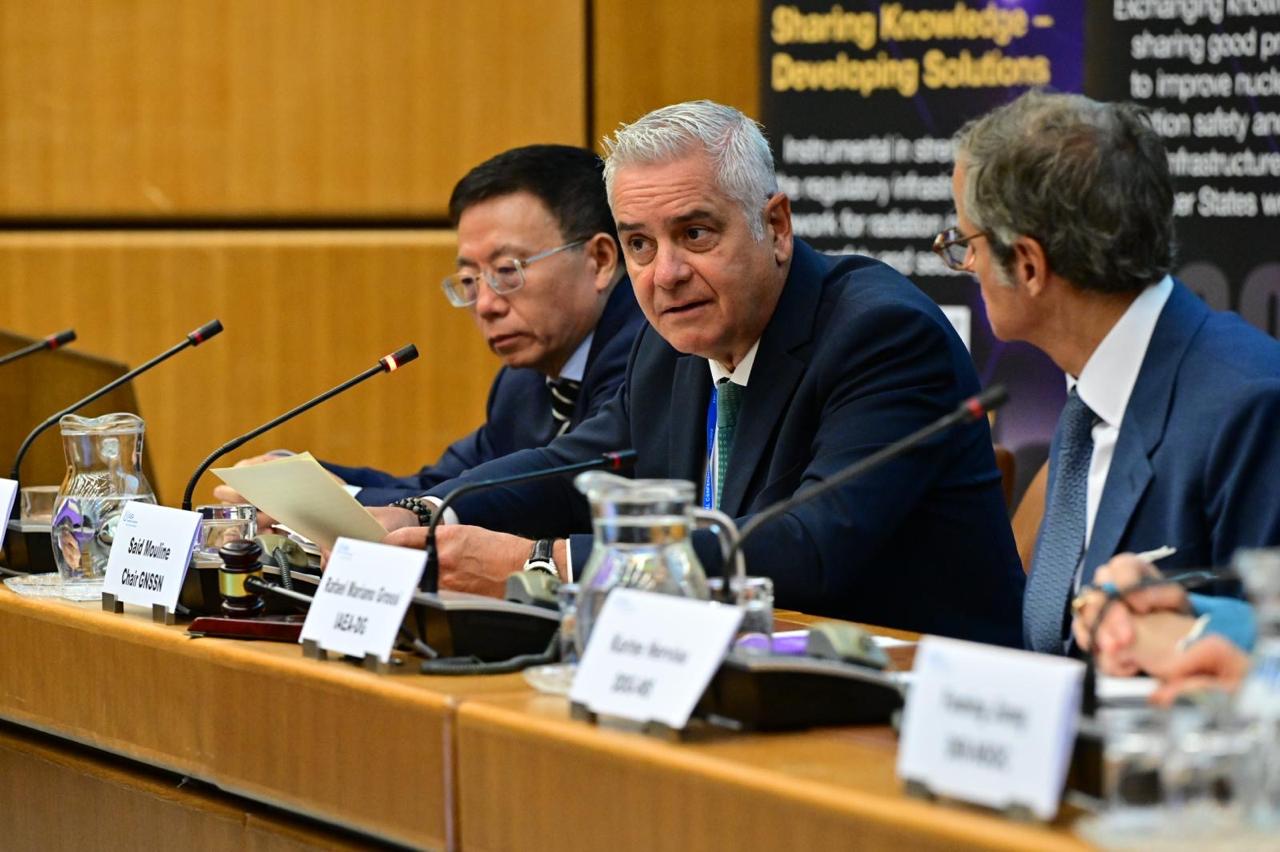
Vienna – Friday, 19 September – The Global Nuclear Safety and Security Network (GNSSN) held its 11th plenary meeting in Vienna, under the chairmanship of the Director General of the Moroccan Agency for Nuclear and Radiological Safety and Security (AMSSNuR), Saïd Mouline.

Speaking at the opening of the meeting, held on the sidelines of the 69th General Conference of the International Atomic Energy Agency (IAEA), which took place from 15 to 19 September, Mr. Mouline stressed the importance of GNSSN as a unique platform for cooperation, experience sharing and capacity building in the service of IAEA Member States.

He also stressed the need to join efforts in the face of common challenges in order to further develop the capacities of the authorities to be independent and strict in complying with regulations, while facilitating the deployment of activities and facilities using ionizing radiation.

The meeting, which was attended by IAEA Director General Rafael Mariano Grossi, focused on topical issues, such as the development of small modular reactors, emergency preparedness and response, the integration of cybersecurity and artificial intelligence into regulatory frameworks, as well as the promotion of diversity and inclusion through initiatives such as “Women in Nuclear”.

Participants also highlighted progress in capacity building, including the provision of self-assessment tools, the development of academic curricula and the holding of nuclear and radiological leadership schools.

The meeting allowed the various regional and thematic networks to present their achievements, testifying to the vitality of GNSSN. From Africa to Latin America, Asia to Europe, the Caribbean and the OSI Forum, each network has contributed through its initiatives to strengthening nuclear and radiological safety and security on a global scale.

Closing the meeting, Mr. Mouline welcomed the commitment of the delegations, recalling that nuclear and radiological safety and security are global public goods requiring enhanced international solidarity.

The adoption of the 2025–2026 Action Plan marks a new milestone for GNSSN, confirming its central role in networking expertise and supporting Member States towards a safer, more secure and more sustainable nuclear future.

By consolidating its leadership role within this global platform, AMSSNuR confirms its position as a key player, contributing not only to the influence of the Kingdom of Morocco, but also to the strengthening of nuclear safety and security internationally.

ARAB MAGHREB PRESS


GHANA.jpg

19 September 2025

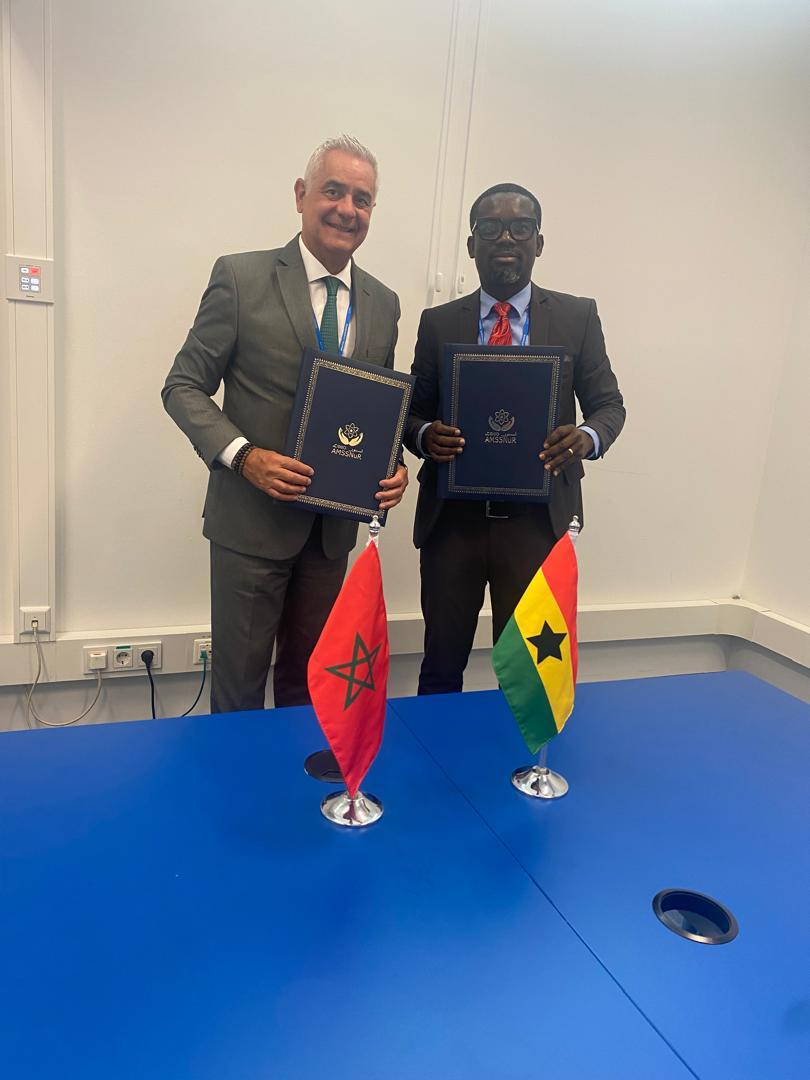
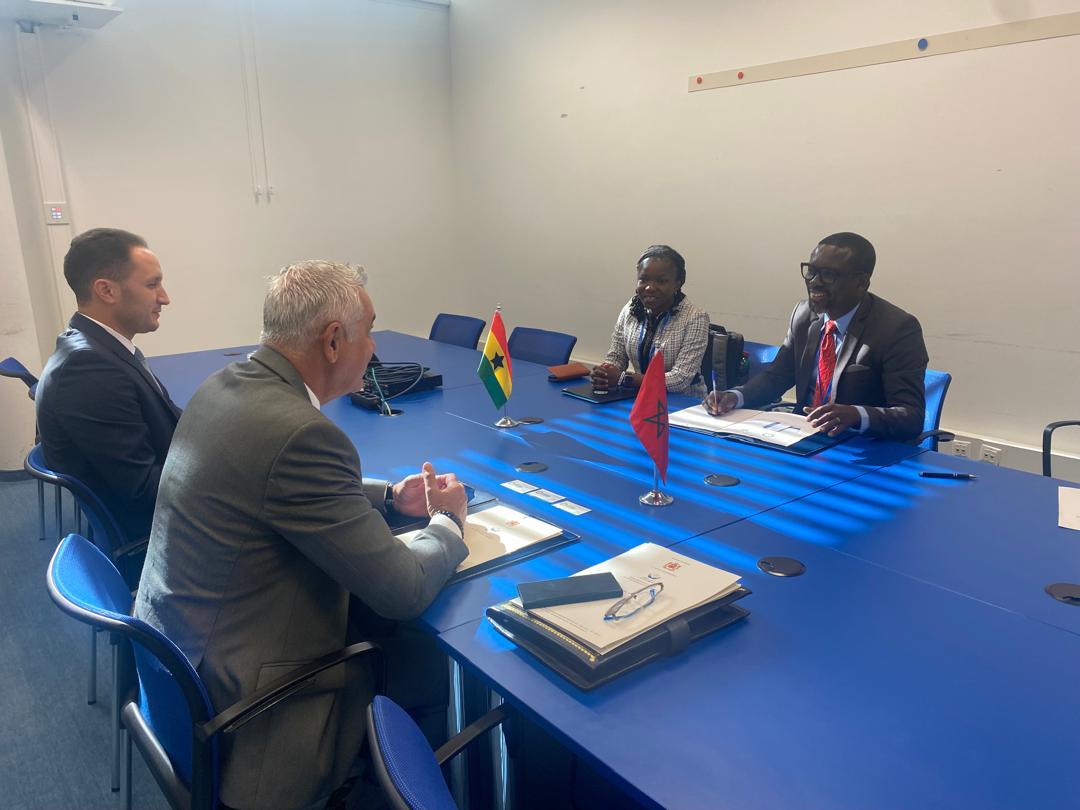
Vienna, September 2025 – On the sidelines of the 69th General Conference of the International Atomic Energy Agency (IAEA), Morocco and Ghana reached a new milestone in their nuclear cooperation. Mr. Saïd Mouline, Director General of the Moroccan Agency for Nuclear and Radiological Safety and Security (AMSSNuR), and Prof. Francis Otoo, Director General of Ghana’s Nuclear Regulatory Authority (NRA), signed a Memorandum of Understanding, reflecting a shared commitment to strengthen ties between the two African agencies.

The agreement paves the way for expanded collaboration in nuclear and radiological safety and security, with a focus on capacity building, knowledge exchange, and networking among African regulatory authorities. Both Mr. Mouline and Prof. Otoo emphasized that this partnership extends beyond a bilateral framework, contributing to a continental initiative to elevate Africa’s regulatory standards and foster a culture of nuclear safety and security.

For Morocco and Ghana alike, the signing underscores the belief that South-South cooperation is a strategic lever to support the development of peaceful nuclear applications in a controlled and secure environment.

The MoU also reflects a shared vision between the two institutions on the need to actively promote South-South cooperation, complementing IAEA efforts to assist African countries in the safe and secure development of peaceful nuclear energy applications.