ELMARSAD-1280x960.jpeg

11 June 2026

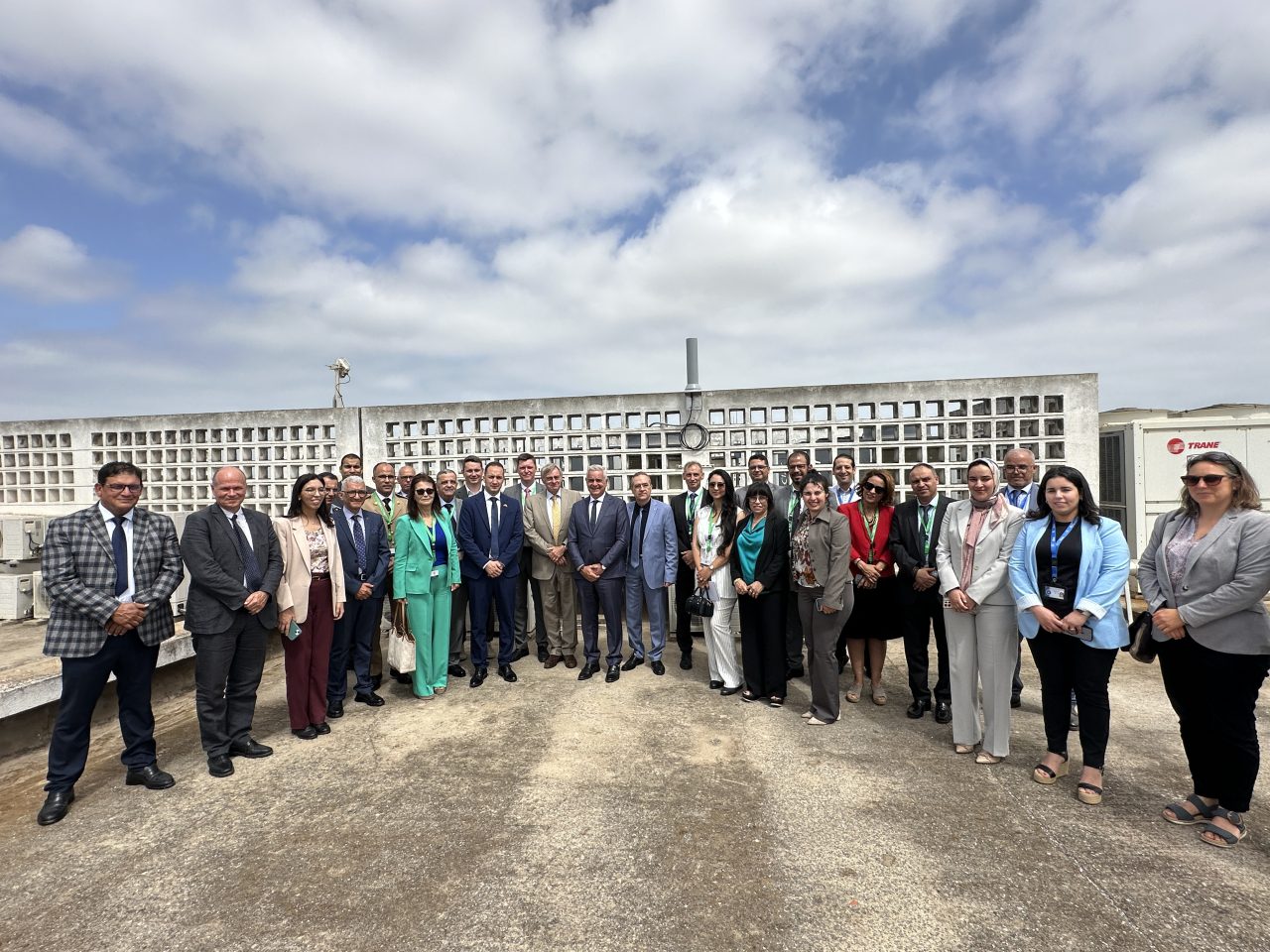
Rabat, 05 June 2026 – In the framework of the technical cooperation project between the Moroccan Agency for Nuclear and Radiological Safety and Security (AMSSNuR), the European Commission, and the Belgian Institute for Radioelements (IRE-Lab), pertaining to the radiological monitoring of Moroccan territory, the Moroccan Agency for Nuclear and Radiological Safety and Security (AMSSNuR) has inaugurated the first probe of this ambitious project, installed at its headquarters in Rabat.

This high-level event brought together Mr. Saïd MOULINE, Director General of AMSSNuR, His Excellency Mr. Dimiter TZANTCHEV, Ambassador of the European Union to the Kingdom of Morocco, and His Excellency Mr. Gilles HEYVAERT, Ambassador of the Kingdom of Belgium to the Kingdom of Morocco. The event also saw the participation of the relevant ministerial departments and national institutions partnering with AMSSNuR.

This achievement marks a strategic milestone in strengthening the national environmental radiological monitoring system and in consolidating the Kingdom’s capabilities in the areas of early detection, alerting, and nuclear or radiological emergency management.Lors de son allocution, Monsieur MOULINE a souligné que la présence de ces hauts dignitaires et partenaires « témoigne de l’excellence du partenariat qui unit le Royaume du Maroc, l’Union européenne et le Royaume de Belgique, ainsi que de l’intérêt partagé que nous portons collectivement au renforcement de la sûreté et de la sécurité nucléaires ».

In his address, Mr. MOULINE underscored that the presence of these high-level dignitaries and partners “bears witness to the excellence of the partnership uniting the Kingdom of Morocco, the European Union, and the Kingdom of Belgium, as well as to the shared commitment we collectively hold towards strengthening nuclear safety and security.”

Speaking first, the Ambassador of the European Union hailed, at this inauguration, the involvement of all stakeholders as a tangible symbol of the EU’s commitment alongside Morocco in the field of environmental radiological monitoring. He recalled that this project is fully in line with the Strategic Partnership between the EU and Morocco, which places the protection of people and the environment at the heart of shared priorities.

The Ambassador of the Kingdom of Belgium, for his part, expressed Belgium’s pride in contributing, through the recognised expertise of the Belgian institute IRE-Lab, to the strengthening of Moroccan capabilities in the field of radiological monitoring. He concluded by emphasising that the installation of the probes envisaged under this project will, in due course, contribute to strengthening the Moroccan ELMARSAD network.

This project falls within the mandate entrusted to AMSSNuR under Law No. 142-12 on nuclear and radiological safety and security. It aims to support the reinforcement and extension of the ELMARSAD ambient radioactivity telemetry network through the installation of several new probes to be deployed across various regions of the Kingdom, as well as to support the establishment of a national radiological monitoring programme for the territory, with assistance provided to nationally accredited laboratories for the measurement of radioactivity in various environmental matrices. Furthermore, the project also aims to provide the necessary support to AMSSNuR in establishing a specific environmental radiological monitoring programme for nuclear or radiological emergency situations.

This inauguration ceremony thus represents a significant step forward in the process of strengthening the national environmental radiological monitoring system. It reflects AMSSNuR’s commitment to developing a reliable and high-performing national system for the detection and tracking of ambient radioactivity, in conformity with international standards on nuclear and radiological safety and security.Cette cérémonie d’inauguration constitue ainsi une avancée importante dans le processus de renforcement du dispositif national de surveillance radiologique de l’environnement. Elle traduit l’engagement de l’AMSSNuR en faveur du développement d’un système national fiable et performant de détection et de suivi de la radioactivité ambiante, conforme aux standards internationaux en matière de sûreté et de sécurité nucléaires et radiologiques.
ComputerSecurity.jpeg

17 May 2026

Vienna, May 11–15, 2026 – A Committed Moroccan Experience for Strengthening Cybersecurity in the Nuclear World

The Director General of the Moroccan Agency for Nuclear and Radiological Safety and Security, Mr. Saïd MOULINE, accompanied by the Secretary General of the Agency, Mr. Reda NOUR, participated in the proceedings of the “International Conference on Computer Security in the Nuclear World: Securing the Future,” organized by the International Atomic Energy Agency in Vienna, Austria, from May 11 to 15, 2026. This conference brought together competent authorities and international experts to exchange insights on emerging challenges in information security applied to the nuclear sector.

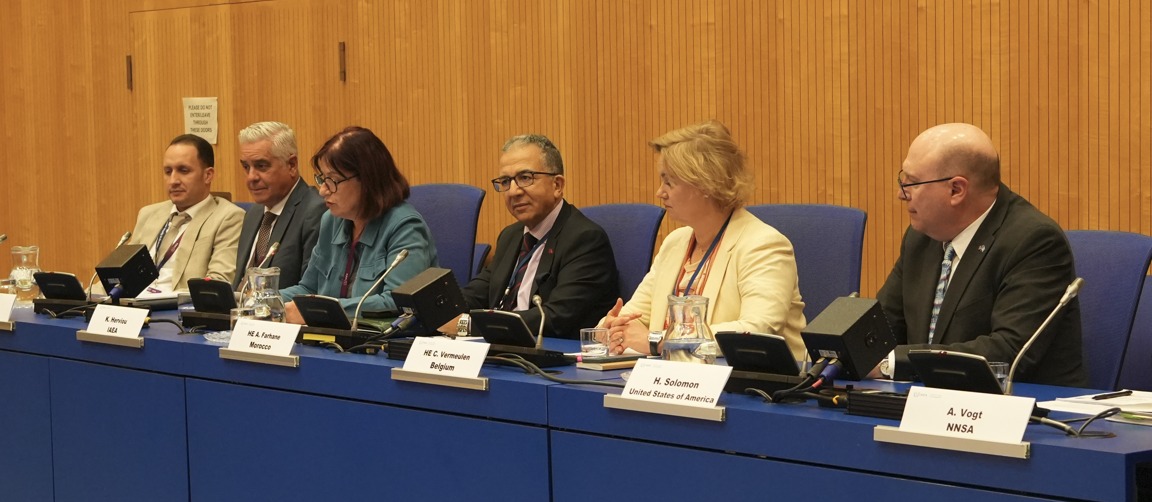
On the sidelines of this international conference, the Kingdom of Morocco organized, on Tuesday, May 12, 2026, a side event entitled “Sharing Experience on Emerging Threats of Cybersecurity and Artificial Intelligence,” dedicated to presenting the Moroccan experience in facing emerging threats related to cybersecurity and artificial intelligence.

This high-level event, chaired by the Ambassador and Permanent Representative of the Kingdom of Morocco to the International Organizations in Vienna, Mr. Azzeddine FARHANE, brought together several prominent figures, notably the Ambassador of the Kingdom of Belgium in Vienna, Ms. Caroline VERMEULEN, the Chargé d’Affaires of the Mission of the United States of America to the International Atomic Energy Agency, Mr. Howard SOLOMON, the Deputy Director General of the International Atomic Energy Agency, Ms. Karine HERVIOU, as well as representatives from international institutions and specialized bodies committed to strengthening nuclear cybersecurity.

On this occasion, the Director General of the Moroccan Agency for Nuclear and Radiological Safety and Security, Mr. Saïd MOULINE, expressed in his opening remarks his gratitude to the dignitaries who took part in this high-level event, emphasizing the importance of international cooperation in strengthening the capacities of safety and security authorities to effectively counter emerging threats. He also stressed the strategic importance of cybersecurity within the context of a constantly evolving digital environment, particularly when it concerns the nuclear field. In conclusion, he highlighted the initiatives led by the Moroccan Agency with the support of its international partners, most notably the International Atomic Energy Agency, the National Nuclear Security Administration (NNSA) of the United States of America, and the Belgian Federal Agency for Nuclear Control (AFCN).

Subsequently, the Deputy Administrator of the United States National Nuclear Security Administration, Mr. Andrew VOGT, presented the International Atomic Energy Agency’s Information Circular number 908 on the inside threat, on the occasion of its tenth anniversary, outlining the main achievements of this international working group, which brings together more than thirty countries in addition to the International Criminal Police Organization, as well as the future challenges that Information Circular 908 must address in light of growing threats. He also commended the pivotal role of the Moroccan Agency in organizing the regional event in October 2025 in Rabat on cybersecurity for French-speaking African countries, which falls within the framework of a solid and long-term cooperation between the two institutions (the Moroccan Agency and the United States Administration).

In the same context, the Secretary General of the Moroccan Agency, Mr. Reda NOUR, outlined during his presentation the national context regarding the use of nuclear and radiological applications, recalling the constant commitment of the Kingdom of Morocco to strengthening the national nuclear security framework in compliance with legally binding international instruments. He highlighted Morocco’s active role as a signatory to Information Circular 908 on the inside threat, and as a member of its international working group since its establishment in 2016. He also emphasized the efforts deployed by the Moroccan Agency over recent years in capacity building, regulatory enhancement, and regional cooperation across the African continent in the fields of cybersecurity and the responsible use of artificial intelligence.

The contribution of the Moroccan Agency for Nuclear and Radiological Safety and Security to this international conference consolidates its steadfast commitment to upgrading the national framework for nuclear and radiological safety and security, securing critical digital systems associated with vital infrastructure and sensitive facilities, and reinforcing international cooperation to meet emerging challenges related to cybersecurity in a rapidly digitalizing nuclear sector.


DG_REGCON-1280x763.jpeg

28 April 2026

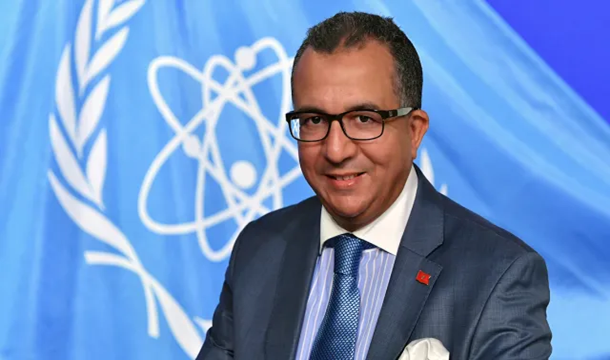
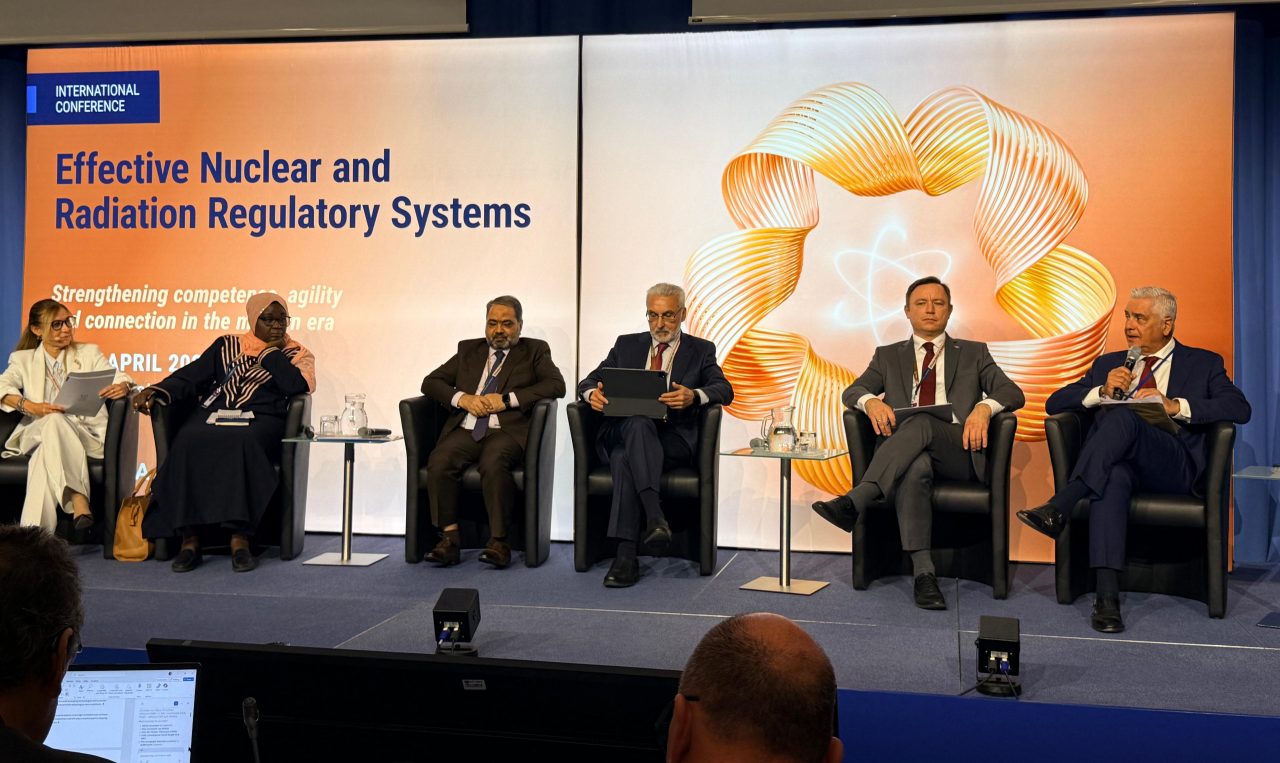
Mr. Saïd Mouline, Director General of the Moroccan Agency for Nuclear and Radiological Safety and Security (AMSSNuR), participated, from April 27 to 30, 2026 in Vienna, in a high-level international conference organized under the auspices of the International Atomic Energy Agency (IAEA).

From April 27 to 30, 2026, Vienna hosted the international conference entitled “International Conference on Effective Nuclear and Radiation Regulatory Systems: Strengthening Competence, Agility and Connection in the Modern Era.” This high-level event brought together regulatory authorities, policymakers, and international experts with the objective of strengthening regulatory systems to enhance nuclear and radiological safety and security at the global level. The conference also aimed to build on the outcomes of previous editions and to examine the evolution of regulatory systems in order to further strengthen nuclear and radiological safety and security worldwide, while identifying concrete pathways to address contemporary challenges.

In this context, Mr. Mouline took part in the proceedings of the conference, notably by contributing to the panel entitled “Shaping the Effective Regulator: Competence, Agility and Connection for a Changing World,” alongside senior international officials, including Mr. Juan Carlos Lentijo, Chairman of the Spanish Nuclear Safety Council (CSN), Ms. Ndeye Arame Boye Faye, Director General of the Senegalese Authority for Radiation Protection and Nuclear Safety (ARSN), Mr. Zia Hussain Shah, Chairman of the Pakistan Nuclear Regulatory Authority (PNRA), and Mr. Andrzej Głowacki, President of the National Atomic Energy Agency of Poland (PAA). This panel provided an opportunity to examine the key components of an effective regulatory authority in a context where safety requirements are increasingly influenced by rapid technological developments.

During his intervention, Mr. Mouline emphasized that the implementation of regulatory agility on the ground continues to face structural challenges, particularly in terms of qualified human resources, adaptation of legal and regulatory frameworks, and integration of technological innovations. Regarding the concept of regulatory effectiveness, he underlined that it relies on the ability of the regulatory framework to ensure real, sustainable, and measurable protection, while remaining credible, transparent, and exemplary. He also highlighted the importance of continuous capacity-building through training, as well as maintaining a high level of organizational performance through the consolidation of the Integrated Management System.

Beyond his contribution, this international event provided an opportunity for Mr. Mouline to engage in bilateral and multilateral discussions aimed at strengthening technical and institutional partnerships.

In conclusion, AMSSNuR’s participation in this international conference reflects its strong commitment to pursuing the global momentum of regulatory excellence, while reinforcing the Kingdom’s position as an active and responsible partner in international efforts led by the IAEA.


SCM-Group-photo-4-1280x1280.jpg

26 February 2026

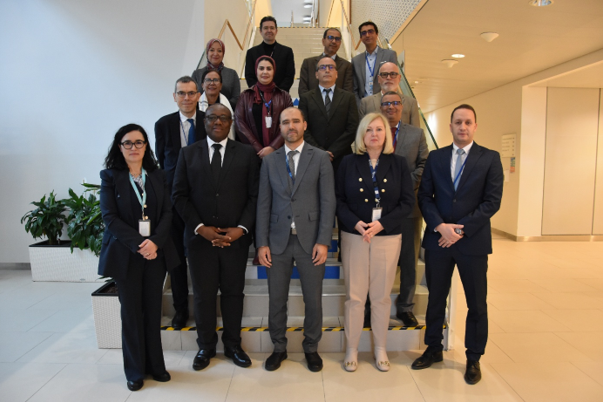
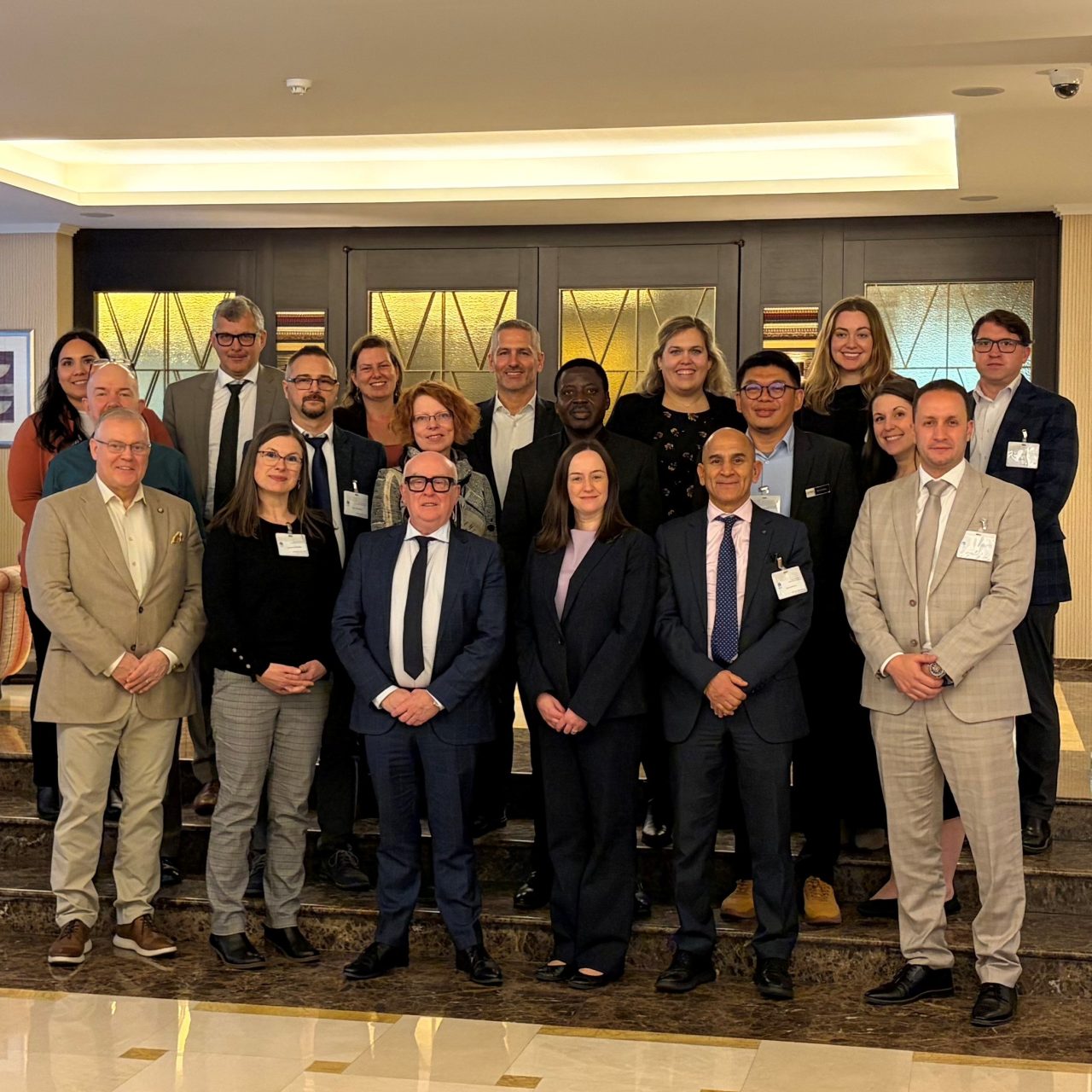
Antwerp, Belgium – The Moroccan Agency for Nuclear and Radiological Safety and Security (AMSSNuR) took part in the Steering Committee meeting of the International Working Group on Mitigating Insider Threats INFCIRC/908, held from 26 to 28 January 2026. This international meeting brought together experts and representatives of Member States engaged in the IAEA international initiative, supported by the Government of the United States of America, aimed at strengthening nuclear security, particularly against insider threats.

Launched in 2016 during the IAEA International Conference on Nuclear Security: Commitments and Actions, the United States of America issued Information Circular INFCIRC/908, “Joint Statement on Mitigating Insider Threats,” to which 38 Member States had subscribed by 2026, as well as the international organization INTERPOL.

Having joined this initiative since its inception, AMSSNuR is an active member of the Steering Committee, which meets twice a year to discuss achievements and determine future directions regarding preventive and protective measures against insider threats, as well as their mitigation through a graded approach based on the assessment of associated risks.

In this context, in October 2025 in Rabat, AMSSNuR organized a regional workshop on the contributions of artificial intelligence in the nuclear and radiological sectors and the threats they may entail, while highlighting the Moroccan regulatory approach to cybersecurity.

The discussions also addressed regulatory, ethical and legal issues related to the use of artificial intelligence in security systems, underscoring the need to adapt national and international frameworks to rapid technological developments.

The AMSSNuR delegation was led by Mr. Reda Nour, Secretary General of AMSSNuR, accompanied by the Director of the Department of Nuclear Safety and Security and Safeguards, reflecting the importance the Agency attaches to international cooperation and to the active contribution of the Kingdom of Morocco to multilateral initiatives in this strategic and critical field.

On the occasion of this meeting, the members of the Steering Committee assessed the achievements of the 2025 Action Plan, finalized the activities planned for 2026, and identified the themes and orientations of the international symposium scheduled for 2027.

The work also included exchanges with States Parties through a webinar dedicated to insider threats and their mitigation, which saw the online participation of more than one hundred participants, during which the results of the regional workshop hosted by Morocco were presented by the AMSSNuR delegation.

This participation forms part of AMSSNuR’s approach to supporting international cooperation, strengthening nuclear and radiological security, and promoting the adoption of best practices, in line with the applicable international instruments and recommendations.


Photo-du-Groupe-1280x720.jpg

30 January 2026

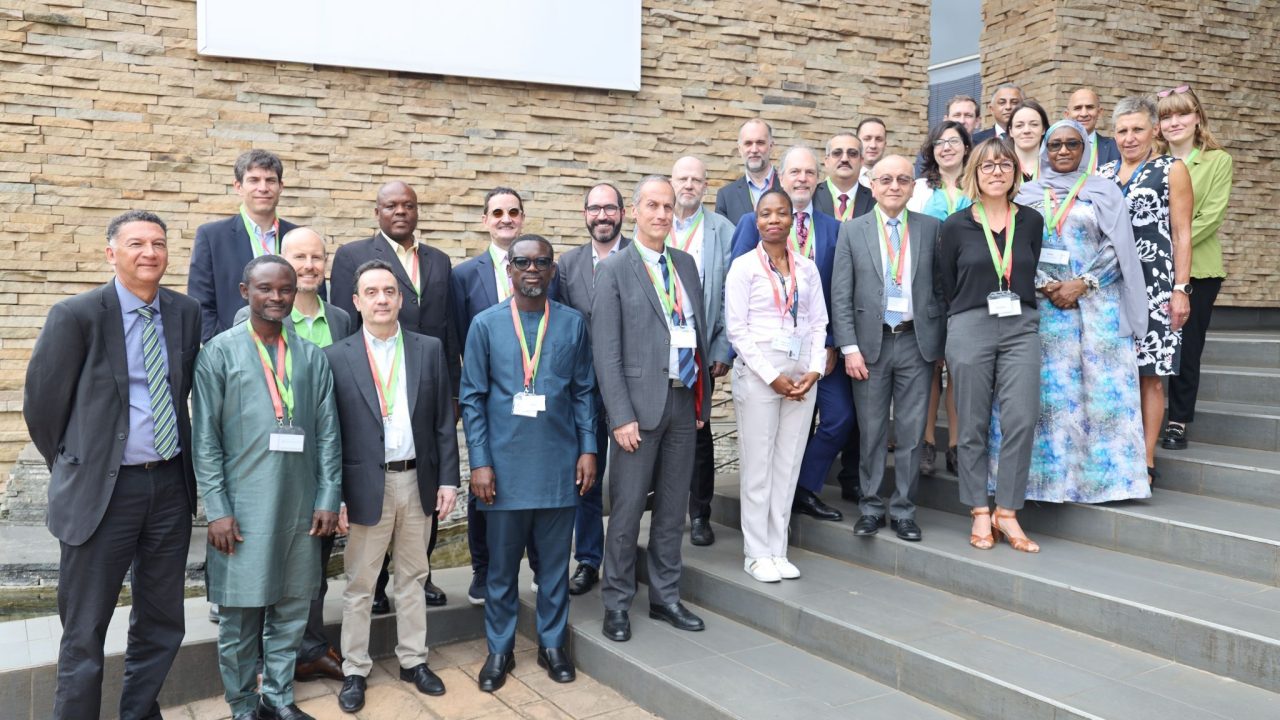
Pretoria, 14–16 January 2026 – As part of the implementation of the Nuclear Safety Cooperation Project (INSC), funded by the European Union and aimed at strengthening African regulatory capacities in the fields of nuclear and radiological safety, a delegation from the Moroccan Agency for Nuclear and Radiological Safety and Security (AMSSNuR), represented by its Secretary General, Mr. Reda Nour, accompanied by the Head of the Nuclear Safety, Security and Safeguards Department, took part in the second bilateral follow-up meetings of the project, as well as the second meeting of its Steering Committee, held from 14 to 16 January 2026 in Pretoria, South Africa.

Hosted by the South African National Nuclear Regulator (NNR), these meetings brought together more than thirty representatives from the European Commission, the project manager Expertise France, as well as nuclear and radiological safety authorities from Africa and Europe, notably from Belgium, Finland, Spain, France, the Kingdom of Morocco, South Africa, Egypt, Ghana, and Nigeria.

The meetings focused on reviewing the progress made in implementing the 2025 action plans for each beneficiary safety authority, as well as defining and validating the strategic and operational orientations of the 2026 action plan. Particular emphasis was placed on capacity building, training planning, on-site technical assistance missions, and knowledge and expertise transfer activities.

In this context, the AMSSNuR delegation presented a detailed overview of the activities carried out in 2025, notably marked by the organization of the project’s kick-off meeting in February 2025, the conduct of six workshops and training sessions totaling more than 30 days of capacity-building activities, and active participation in several international technical and scientific events.

The delegation also highlighted the impact of these activities, which benefited more than 60 representatives from African authorities, as well as AMSSNuR staff and other national institutions, thereby contributing to the development of competencies in nuclear safety, radiation protection, and emergency preparedness and response.

Discussions enabled the definition of the main orientations of the 2026 action plan, which includes more than fifty bilateral, multilateral, and remote activities, with an overall estimated budget of 1.5 million euros.

The Steering Committee meeting, bringing together the Directors General of the African partner authorities, resulted in the official validation of the 2026 action plan and the launch of a new phase of the project.

On this occasion, European partners praised the dynamic role played by AMSSNuR, describing it as a regional model for the exemplary integration of project activities into its strategic objectives and for the assessment of the impact of cooperation with the European Union on strengthening its national and regional capacities in nuclear and radiological safety.

Through this active participation, AMSSNuR reaffirms its commitment to implementing the 2026 action plan, sustainably strengthening national competencies in nuclear and radiological safety, promoting leadership and a strong safety culture, and sharing its experience with African partner authorities, thereby contributing to responsible and cooperative nuclear governance across the African continent.


farhane.png

7 January 20260

H.E. Azzeddine Farhane, Morocco’s Ambassador to Austria and Permanent Representative to the International Organisations in Vienna, has recently been elected Vice-Chair of the IAEA Board of Governors, underlining Morocco’s growing leadership role in multilateral nuclear diplomacy.

Graduated in political science, journalism and international law, Ambassador Farhane joined Morocco’s Ministry of Foreign Affairs early in his career, developing expertise in disarmament, human rights, and multilateral negotiations. His career includes serving as Chair of the Vienna Chapter of the Group of 77 and China, where he coordinated the positions of over 130 developing nations within UN bodies such as the IAEA, UNIDO, and UNODC. He also represented Morocco in the Nuclear Security process, highlighting the country’s commitment to global nuclear security, and served as Director General for UN Affairs in Morocco’s Foreign Ministry. Elected by acclamation as President of the 64th IAEA General Conference in 2020, he promoted dialogue and inclusiveness amid global challenges.

In his capacity as Vice-Chair of the IAEA Board of Governors, Ambassador Farhane aims to strengthen dialogue, trust, and consensus within the Agency, ensuring that all member states feel represented. Drawing from his experience leading the G77, he intends to foster inclusiveness and transparency in decision-making. His priorities include maintaining balance among the IAEA’s three pillars: safety, security, and safeguards, while emphasizing the importance of technological cooperation for development. He also seeks to make Africa’s voice heard in the Board’s deliberations, ensuring that the continent’s growing interest in nuclear applications for health, agriculture, and energy is fully supported by the Agency.

Morocco’s role in the IAEA reflects its position as a bridge-builder between North and South.

Morocco’s Vice-Chair role in the IAEA reflects its position as a bridge-builder between North and South. Through institutions like CNESTEN and AMSSNuR, Morocco not only develops its national nuclear infrastructure but also serves as a regional hub for training and capacity-building in Africa. The country has taken leadership roles in promoting the interests of developing nations and advocating for stronger technical cooperation funding, underlining the social and developmental value of nuclear technology.

Besides, Morocco’s vision within the IAEA aligns with its broader African policy under the leadership of King Mohammed VI to foster self-reliance, cooperation, and influence for Africa in global governance. The country’s approach to nuclear energy rests on five principles: responsibility, inclusiveness, development, preparedness, and partnership. Nuclear technologies already play a crucial role in Morocco’s national development in healthcare, radiotherapy, cancer treatment, water management, and agriculture. These applications demonstrate how nuclear science contributes directly to achieving the Sustainable Development Goals.

Morocco also seeks to act as a catalyst for Africa’s integration into the global nuclear knowledge economy, supporting capacity-building and regional centers of excellence. Ambassador Farhane concludes that Morocco sees its role in the IAEA as part of a larger African vision. Under the leadership of His Majesty King Mohammed VI, Africa is at the heart of Morocco’s foreign policy. In the Agency, this translates into concrete partnerships, training initiatives, and advocacy to ensure that African Member States are not only recipients of assistance but also active participants in shaping the Agency’s policies and standards. By doing so, Morocco will contribute to building an Africa which is more self-reliant and more influential in global nuclear governance.

H.E. Azzeddine Farhane

The interview with H.E. Azzeddine Farhane on his new role as Vice-Chair of the IAEA Board of Governors is available on the following website:

https://www.societyatl.org/attach-special-importance-to-amplifying-the-voice-of-africa-within-the-board/

THE LEADING MAGAZINE OF MODERN DIPLOMACY


SMR-2-1280x771.jpg

23 December 20250

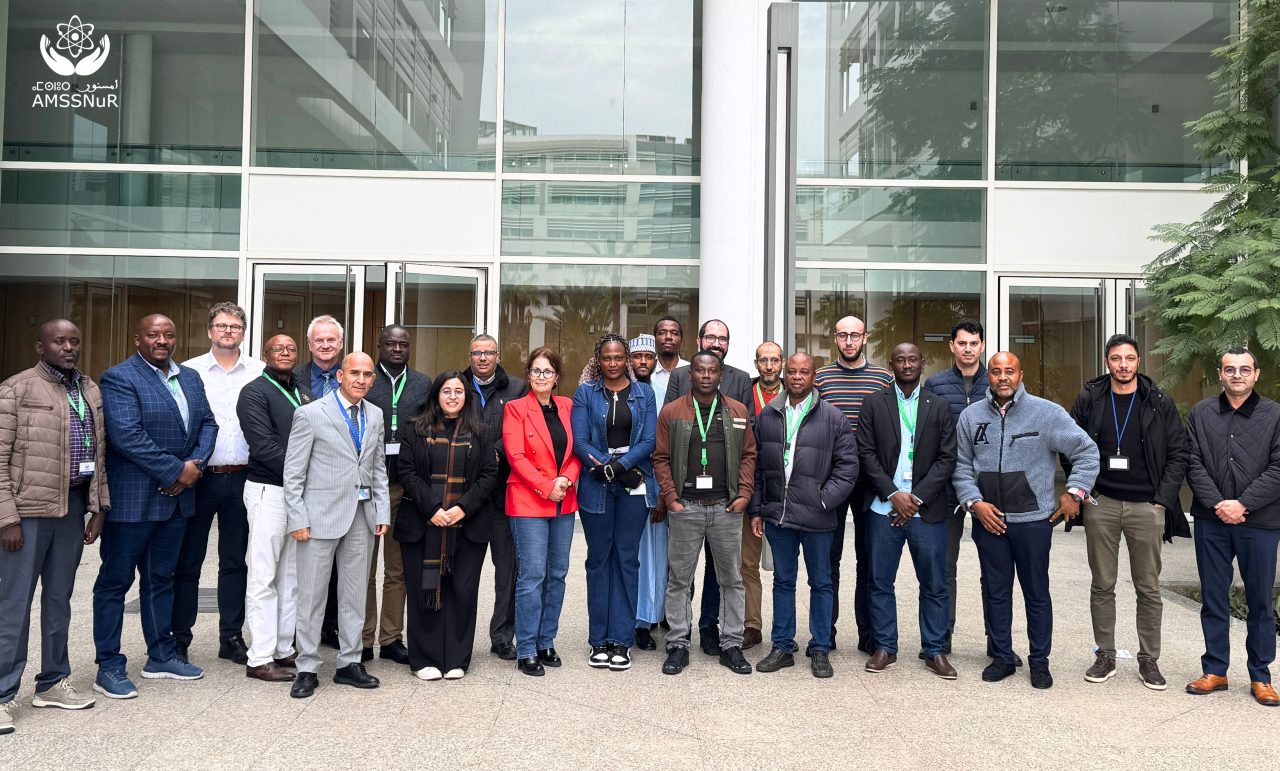
Rabat, 22 December 2025 – As part of its ongoing commitment to strengthening nuclear safety regulatory capacities in Africa, the Moroccan Agency for Nuclear and Radiological Safety and Security (AMSSNuR) hosted a regional workshop in Rabat from 15 to 19 December 2025, dedicated to the acquisition of tools and competencies for the technical safety assessment of small and medium-sized reactors, as well as their regulatory oversight.

Organized under the European cooperation project “Strengthening Nuclear Safety Regulatory Capacity in Africa”, the workshop aimed to equip representatives of African regulatory authorities with nuclear safety analysis tools based on both deterministic safety analysis (DSA) and probabilistic safety analysis (PSA). These approaches are widely used to assess safety options for power reactors and their operational performance.

Within this framework, participants were able to deepen their understanding of DSA and PSA approaches as applied to SMR concepts, highlighting the technical specificities, challenges, and regulatory requirements that must be taken into account during the licensing process of these emerging technologies. The workshop also addressed the global status of SMR development, the technical elements to be included in a safety analysis report, the available simulation tools and their capabilities, as well as the validation methods used to support regulatory assessments.

Supervised by European experts from BelV (Belgium) and GRS (Germany), the workshop benefited around twenty African specialists representing nuclear safety authorities and operators from Egypt, Ghana, Kenya, Nigeria, South Africa, and Morocco.

On this occasion, participants reviewed national presentations on the state of development of regulatory, human, technical, and organizational capacities in their respective countries. This exercise enabled the exchange of experiences, the sharing of best practices, and the identification of priorities in safety analysis and regulatory preparedness for SMRs, thereby contributing to a shared understanding of key challenges and to the harmonization of practices at the regional level.

In 2025, AMSSNuR further strengthened its contribution to the European INSC project by hosting eight regional workshops covering nuclear safety, emergency preparedness, and leadership development. These events brought together nearly one hundred experts from various countries, illustrating AMSSNuR’s continued commitment to capacity building for African authorities and to the consolidation of South–South cooperation.


Capture-decran-2025-12-15-120410.png

15 December 20250

The Moroccan Agency for Nuclear and Radiological Safety and Security (AMSSNuR), represented by its Secretary General, Mr. Reda Nour, accompanied by the Head of the Division for Regulation and Authorization of Reactors and Associated Facilities, took part, as a member of the national committee tasked with reflecting on the prerequisite conditions for the “Clean Package” project, in the coordination meeting dedicated to the review of the Integrated Work Plan (IWP) related to the feasibility study of the “Clean Package” project based on the use of Small Modular Reactors (SMRs).

Held in Vienna from 9 to 11 December 2025, the meeting aimed to present the progress achieved to date, identify priority needs, and define areas of cooperation with the International Atomic Energy Agency (IAEA) for the next three years.

On this occasion, it was recalled that the “Clean Package” project, proposed by the Ministry of Energy Transition and Sustainable Development, forms part of a strategic approach intended to provide a sustainable solution to the challenge of seawater desalination, relying on an energy mix that combines renewable energy sources with the deployment of Small Modular Reactors (SMRs). The project had previously been the subject of technical discussions with IAEA experts in July 2025.

Furthermore, AMSSNuR plays a key role in 11 out of the 19 thematic areas that constitute the national infrastructure required for the development of a nuclear power programme. These areas notably include nuclear safety policy and radioactive waste management, the legislative and regulatory framework, nuclear safety, radiation protection, preparedness and response to nuclear or radiological emergencies, nuclear security, and safeguards.

Finally, it was emphasized that all the themes addressed and the associated actions are fully aligned with AMSSNuR’s Strategic Orientations for the 2022–2026 period, reaffirming the Agency’s commitment to ensuring the controlled, safe and secure development of nuclear applications in support of sustainable development.


Photo-de-groupe-Task-5--1280x960.jpg

27 November 20250

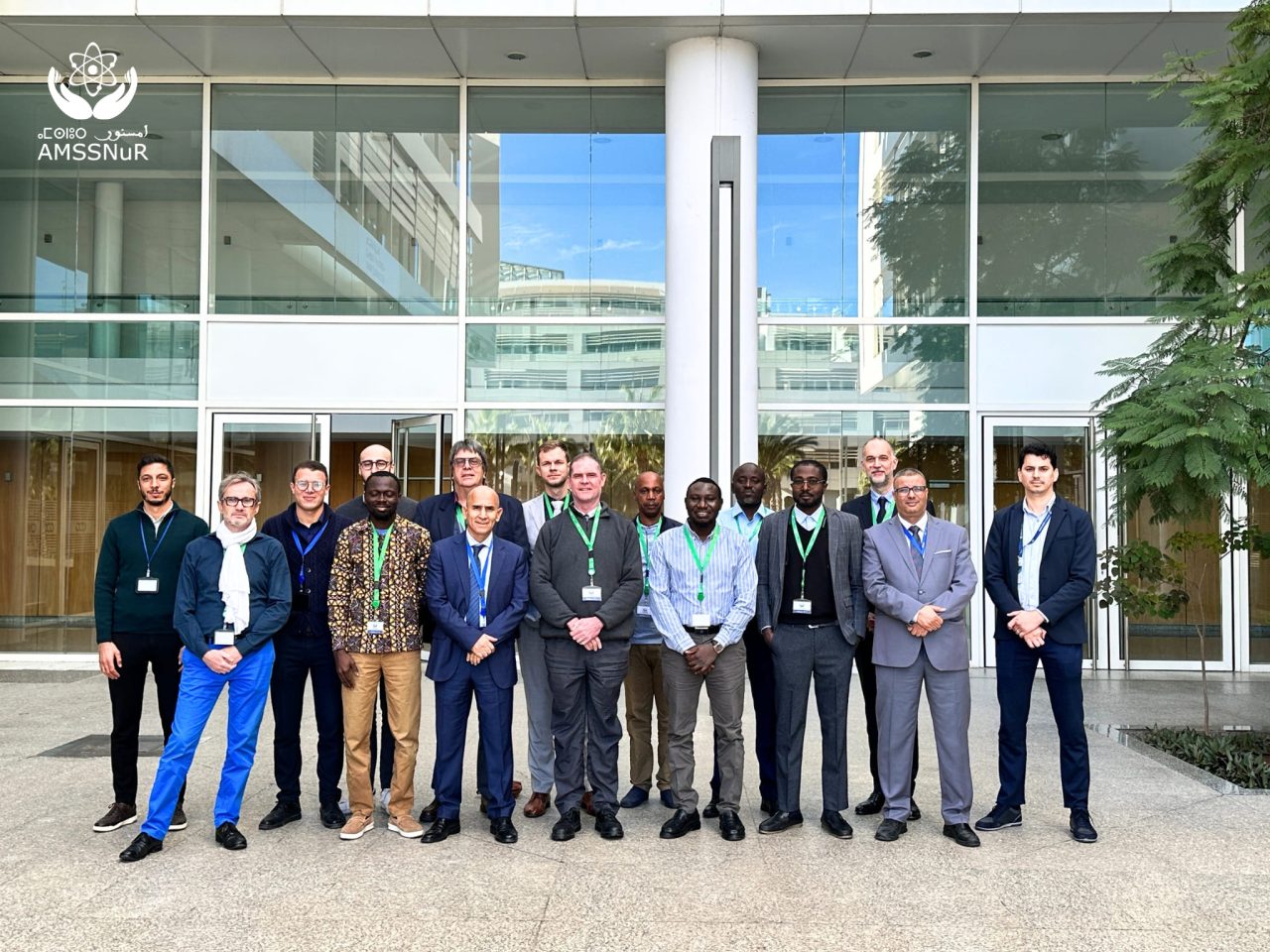
Rabat, 24 November 2025The Moroccan Agency for Nuclear and Radiological Safety and Security (AMSSNuR) is hosting, from 24 to 28 November 2025 at its headquarters in Rabat, a regional workshop on the harmonization of regulations for Small Modular Reactors (SMRs) in Africa. This initiative is part of the “Strengthening Nuclear Safety Regulatory Capacity in Africa” project, funded by the European Union for the period 2025–2029.

The primary objective of this workshop is to enhance the technical expertise of African nuclear safety authorities by harmonizing nuclear facility regulations in accordance with International Atomic Energy Agency (IAEA) standards and international best practices, particularly those applied in Europe.

The workshop brings together representatives from the nuclear safety authorities of Morocco, Egypt, Ghana, Nigeria, Kenya, and South Africa, as well as experts from the French Nuclear Safety Authority (ASNR), the Czech Nuclear Safety Authority (SÚJB), and Bureau Veritas France, providing a platform for exchange and sharing of experiences on regulatory challenges associated with the introduction of Small Modular Reactors.

During this regional workshop, participants will present existing regulatory approaches and develop national roadmaps outlining priorities for the regulation, licensing, and inspection of SMRs, in order to address the growing development of these technologies worldwide and the interest they attract from several African countries.

Furthermore, exchanges between European and African experts will deepen reflections on these regulatory approaches, promoting harmonization of practices and strengthening Europe–Africa cooperation in nuclear safety.

By hosting this workshop, AMSSNuR reaffirms its commitment to strengthening regional cooperation with peer authorities in Africa and Europe, and to developing robust and sustainable African expertise in nuclear and radiological safety and security regulation, based on collaboration, experience sharing, and the application of international safety standards.


IMG_1477-1280x616.jpg

30 October 2025

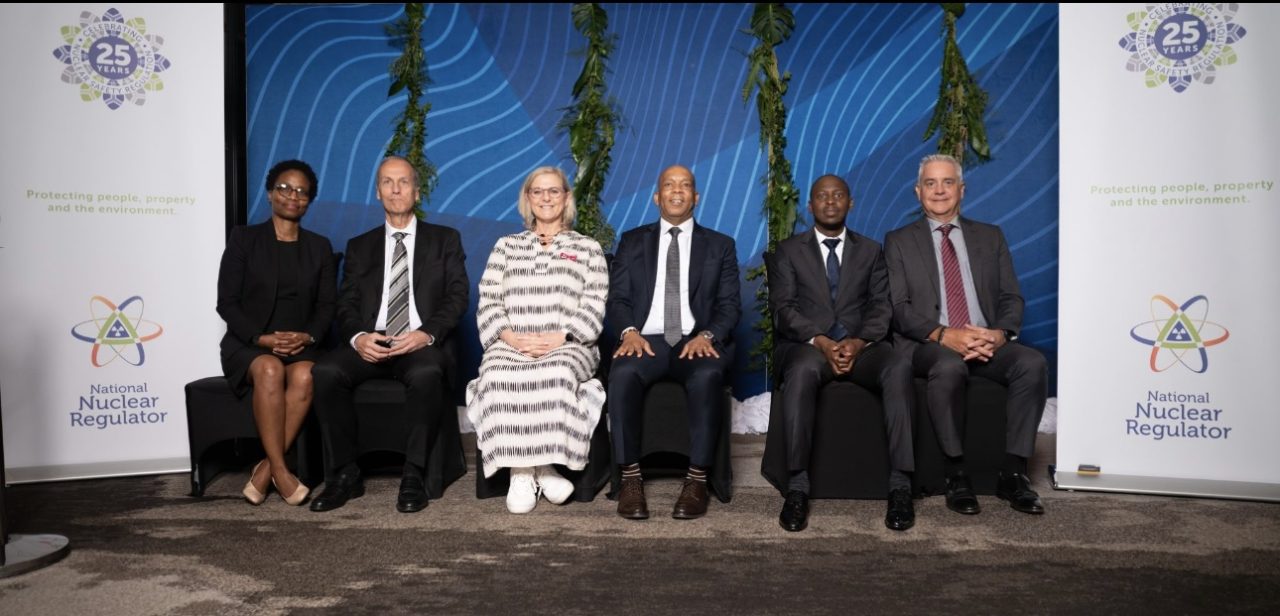
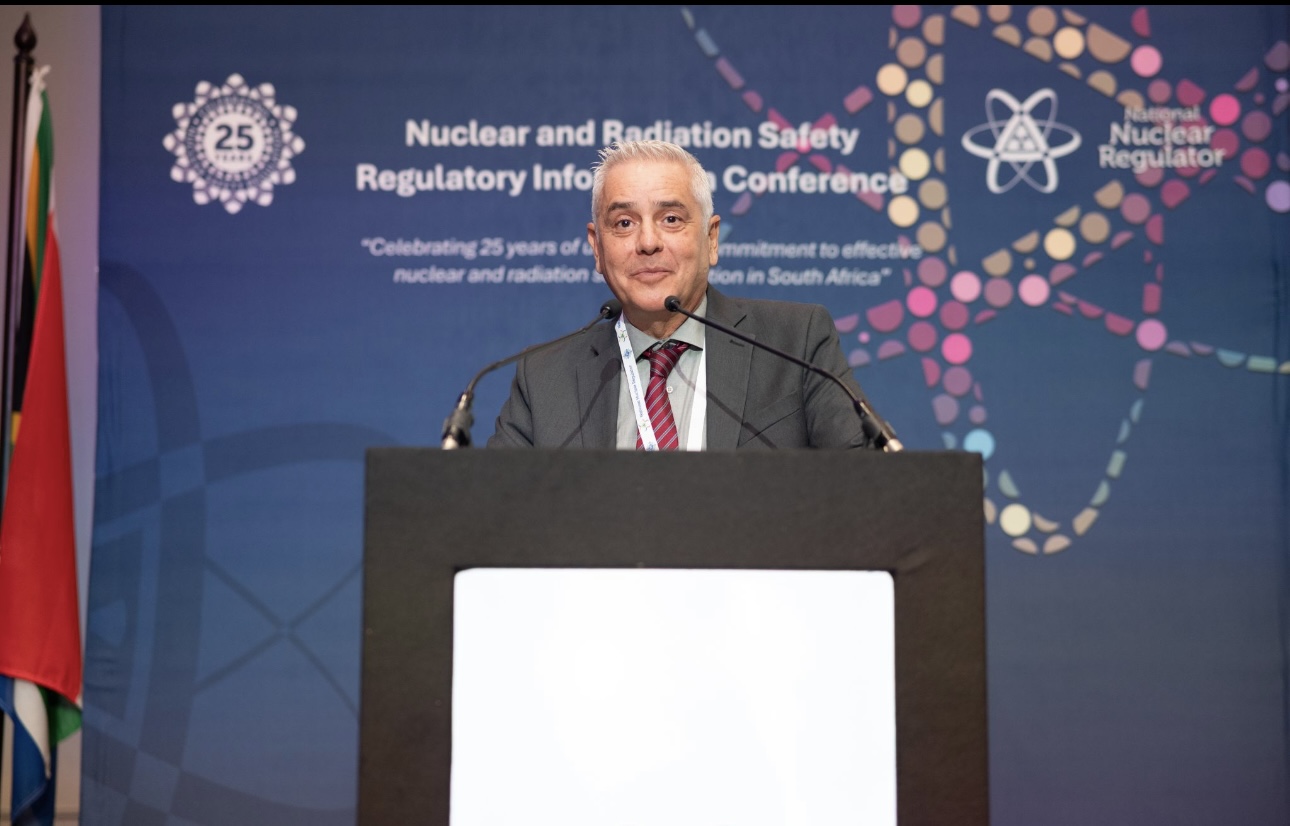
Pretoria, 28 October 2025 – At the invitation of the National Nuclear Regulator (NNR) of South Africa, Mr. Saïd Mouline, Director General of the Moroccan Agency for Nuclear and Radiological Safety and Security (AMSSNuR), took part in the Conference on Nuclear and Radiological Safety Regulation, held on 28–29 October 2025 in Pretoria, on the occasion of the NNR’s 25ᵗʰ anniversary.

During this event, Mr. Mouline was invited to serve as a panelist in Session 2, titled “Bridging Global Commitments with National Action – Policy, Treaties, and Regulatory Frameworks for Nuclear Safety.” The session focused on exploring ways to strengthen national nuclear safety regimes in Africa through the alignment of national policies with international commitments, and the establishment of effective and adaptable regulatory frameworks to ensure sustainable and coherent oversight.

Mr. Mouline’s participation in this high-level conference is part of AMSSNuR’s ongoing efforts to enhance regional and international cooperation in the fields of nuclear and radiological safety and security. It also highlights Morocco’s active contribution to developing a harmonized African regulatory framework, grounded in international standards and experience sharing among regulatory authorities.

AMSSNuR’s participation in this important event reflects its  unwavering commitment to advancing South–South cooperation in the areas of safety, security, and transparency, as well as to promoting a robust safety culture—a key component of sustainable regulation dedicated to protecting the public and the environment from the risks associated with ionizing radiation exposure.