Stuk2.jpg

19 September 2025

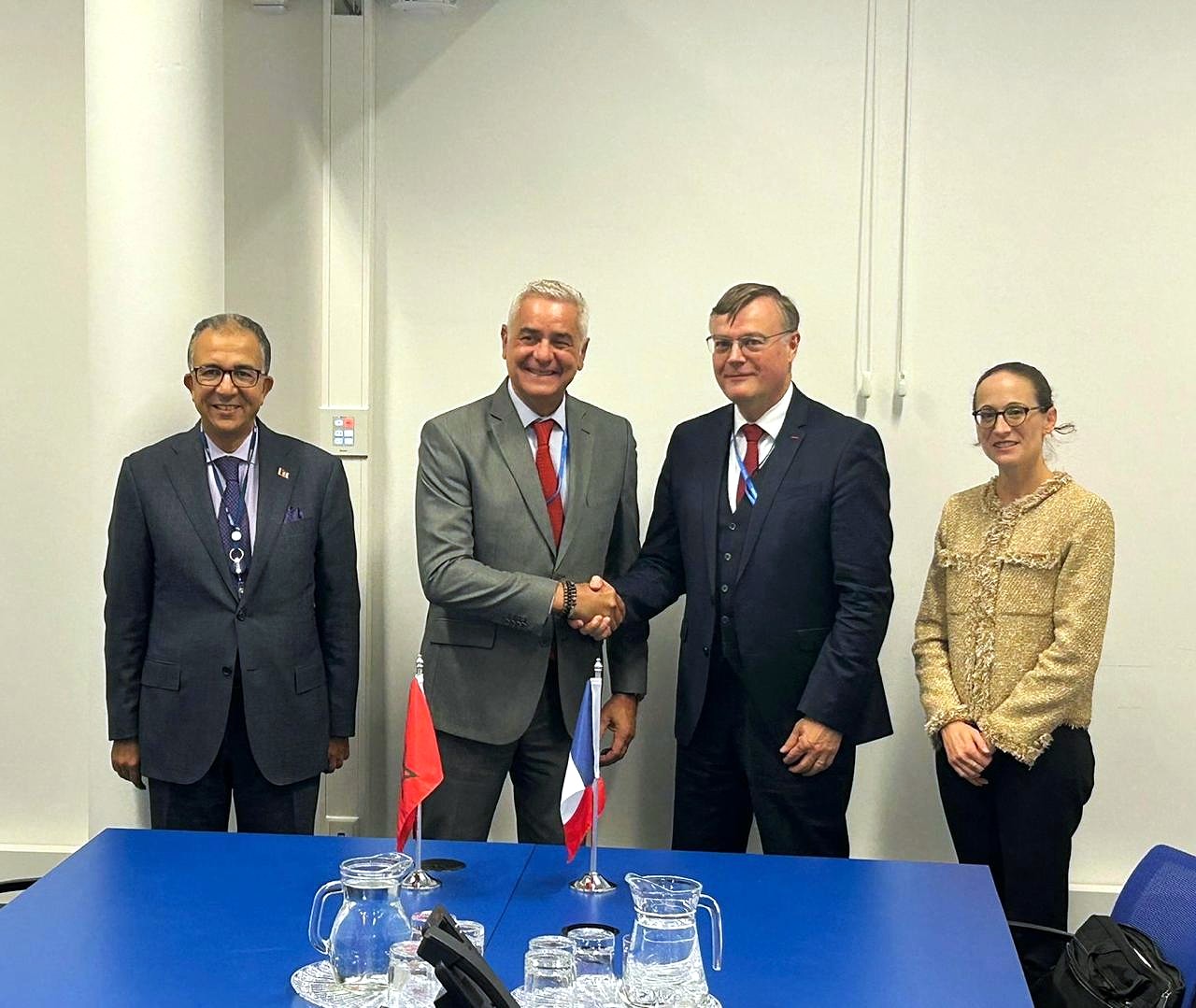
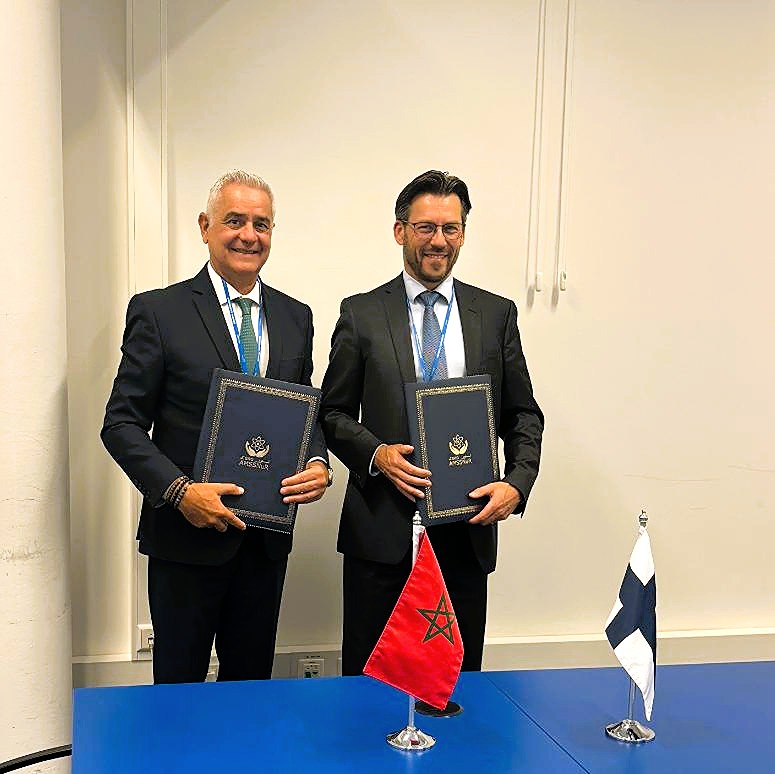
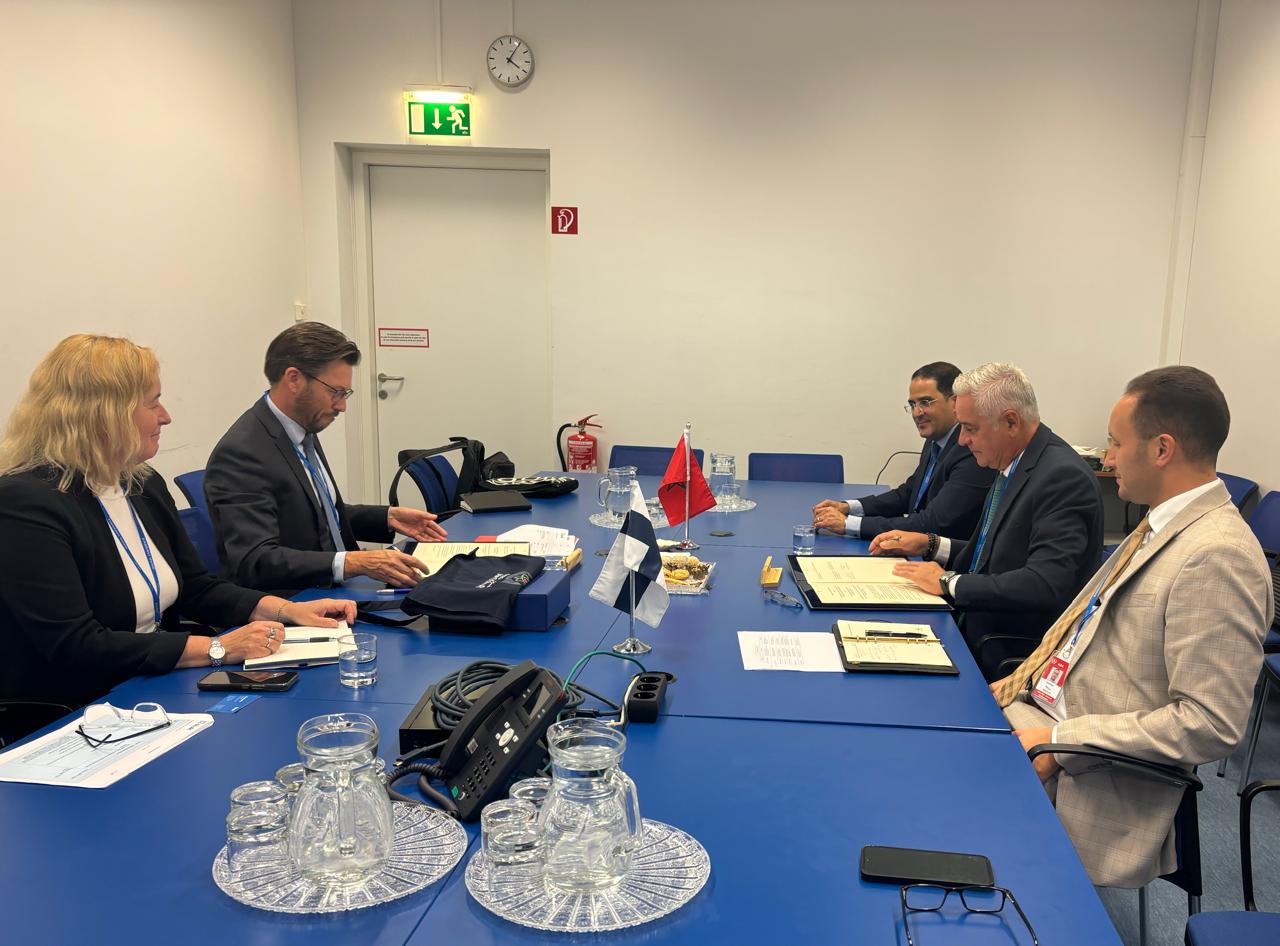
Vienna, 18 September 2025 – Mr. Saïd Mouline, Director General of the Moroccan Agency for Nuclear and Radiological Safety and Security (AMSSNuR), and Mr. Petteri Tiippana, Director General of the Radiation and Nuclear Safety Authority of Finland (STUK), signed a Memorandum of Understanding (MoU) on the sidelines of the 69th General Conference of the International Atomic Energy Agency (IAEA).

The signing ceremony highlighted the commitment of both leaders to strengthen bilateral cooperation in the areas of nuclear and radiological safety, radioactive waste management, and emergency preparedness and response. The agreement also aims to promote training and skills development.

The MoU sets out a wide range of collaborative mechanisms, including the exchange of technical and regulatory information, the organization of seminars, workshops, and joint exercises, as well as scientific visits. Specific action plans will further define the initiatives and projects to be implemented in the coming years.

On this occasion, Mr. Mouline emphasized that this strategic partnership reflects Morocco’s determination to consolidate its role as a reference actor in Africa in the field of nuclear and radiological safety, in close cooperation with its international counterparts. For his part, Mr. Tiippana reaffirmed STUK’s commitment to sharing its expertise and developing joint initiatives in support of the safe and peaceful use of nuclear energy.
By joining forces, AMSSNuR and STUK aim to actively contribute to strengthening global nuclear safety, in the spirit of solidarity and cooperation promoted by the IAEA and its Member States.
USA.jpg

19 September 2025

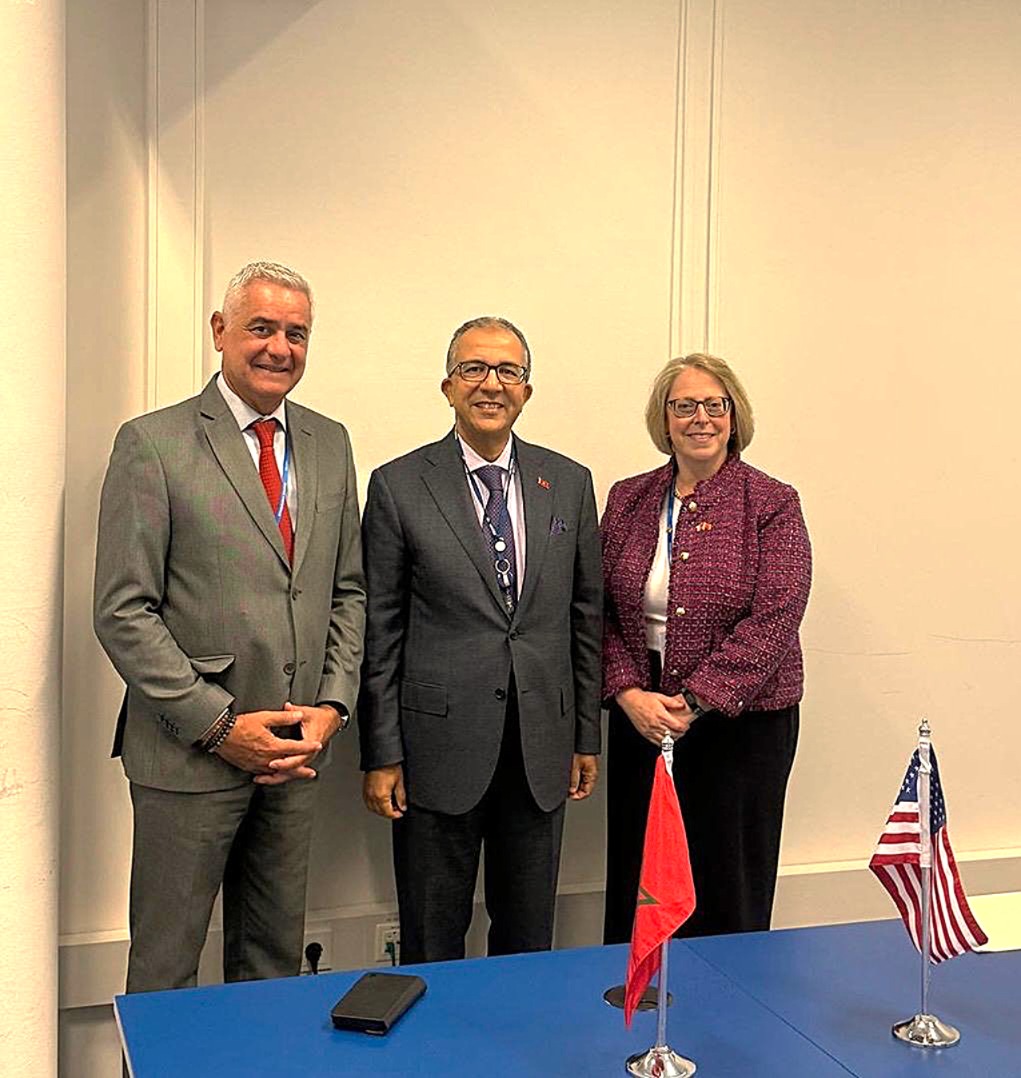
Vienna, September 2025 – On the sidelines of the 69th General Conference of the International Atomic Energy Agency (IAEA), a ceremony was held to renew the Memorandum of Understanding (MoU) between the U.S. Department of Energy’s National Nuclear Security Administration (DOE/NNSA) and the Moroccan Agency for Nuclear and Radiological Safety and Security (AMSSNuR). The event was attended by H.E. Azzeddine Farhane, Ambassador and Permanent Representative of the Kingdom of Morocco to the International Organizations in Vienna. This renewal reaffirms both institutions’ commitment to strengthening their cooperation in the field of nuclear security.

Originally signed in May 2018 for a period of five years, the MoU has now been renewed for another five years. It covers a wide range of cooperation areas, including the exchange of experts and researchers, provision of equipment and technical support, organization of training courses, workshops, and joint exercises, as well as support for regional cooperation in the Middle East, North Africa, and across the African continent. The MoU also addresses vital areas such as physical protection against theft and sabotage, nuclear material accounting and control, cybersecurity, strengthening nuclear security culture, and preparedness and response to incidents.

Since its first signing, AMSSNuR has organized more than 30 workshops in Rabat and other Moroccan cities, benefiting over 400 specialists from facility operators, regulatory authorities, and relevant organizations. The U.S. side has contributed to establishing the national physical protection system at four facilities containing category I radioactive sources, reviewing laws and guidance related to the security of radioactive sources and safeguards, and implementing a national system for nuclear material accounting and measurement. Cooperation has also included the provision of detection equipment and the enhancement of Morocco’s national nuclear security capacities.

In the coming months, several activities are planned under this MoU, including a national workshop on developing regulatory requirements for cybersecurity (22–26 September 2025), a regional workshop on artificial intelligence and cybersecurity to mitigate insider threats (20–24 October 2025), and a pilot international training course on incident response (3–7 November 2025).

This renewal reflects the shared determination of NNSA and AMSSNuR to continue their joint efforts to counter illicit acts targeting nuclear materials and to strengthen the nuclear security framework at the national, regional, and international levels.


EPR-1280x853.jpg

19 September 2025

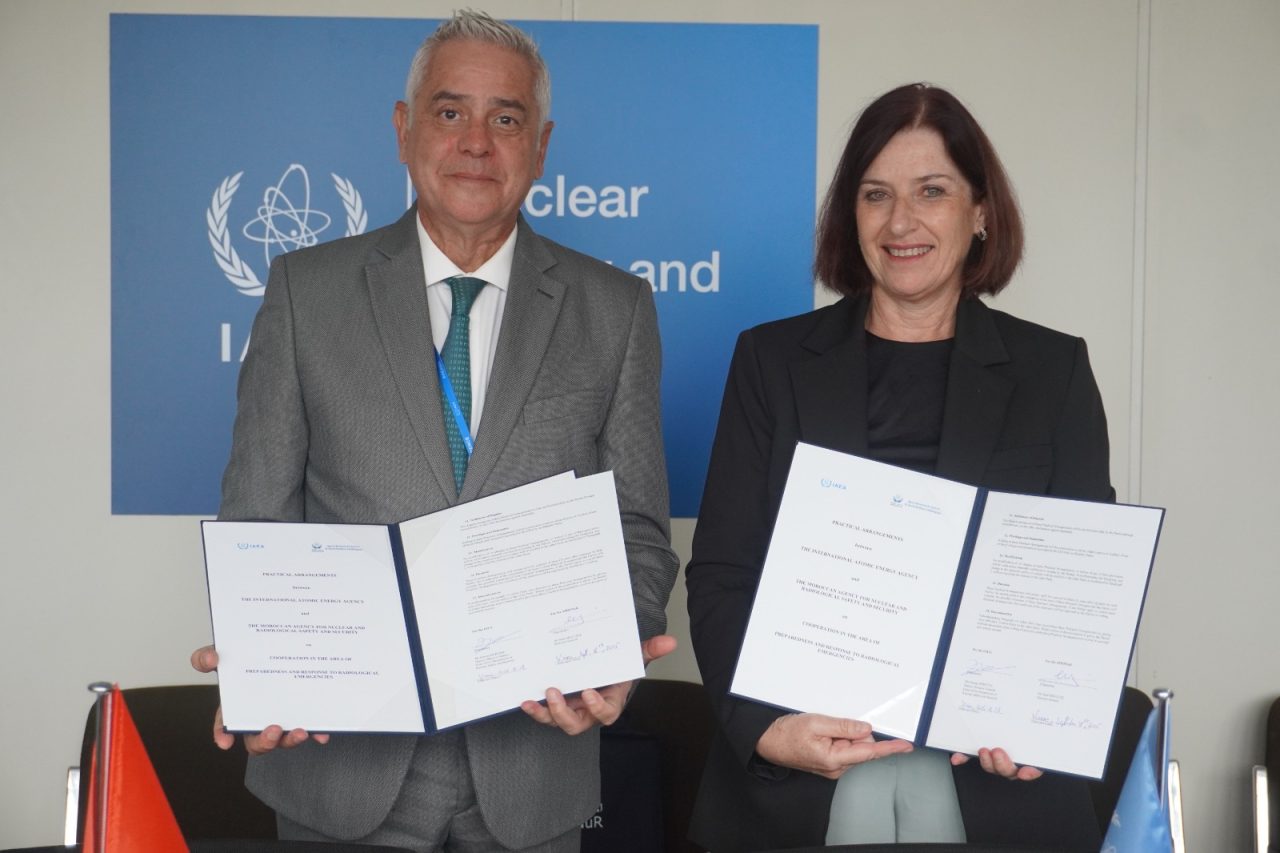
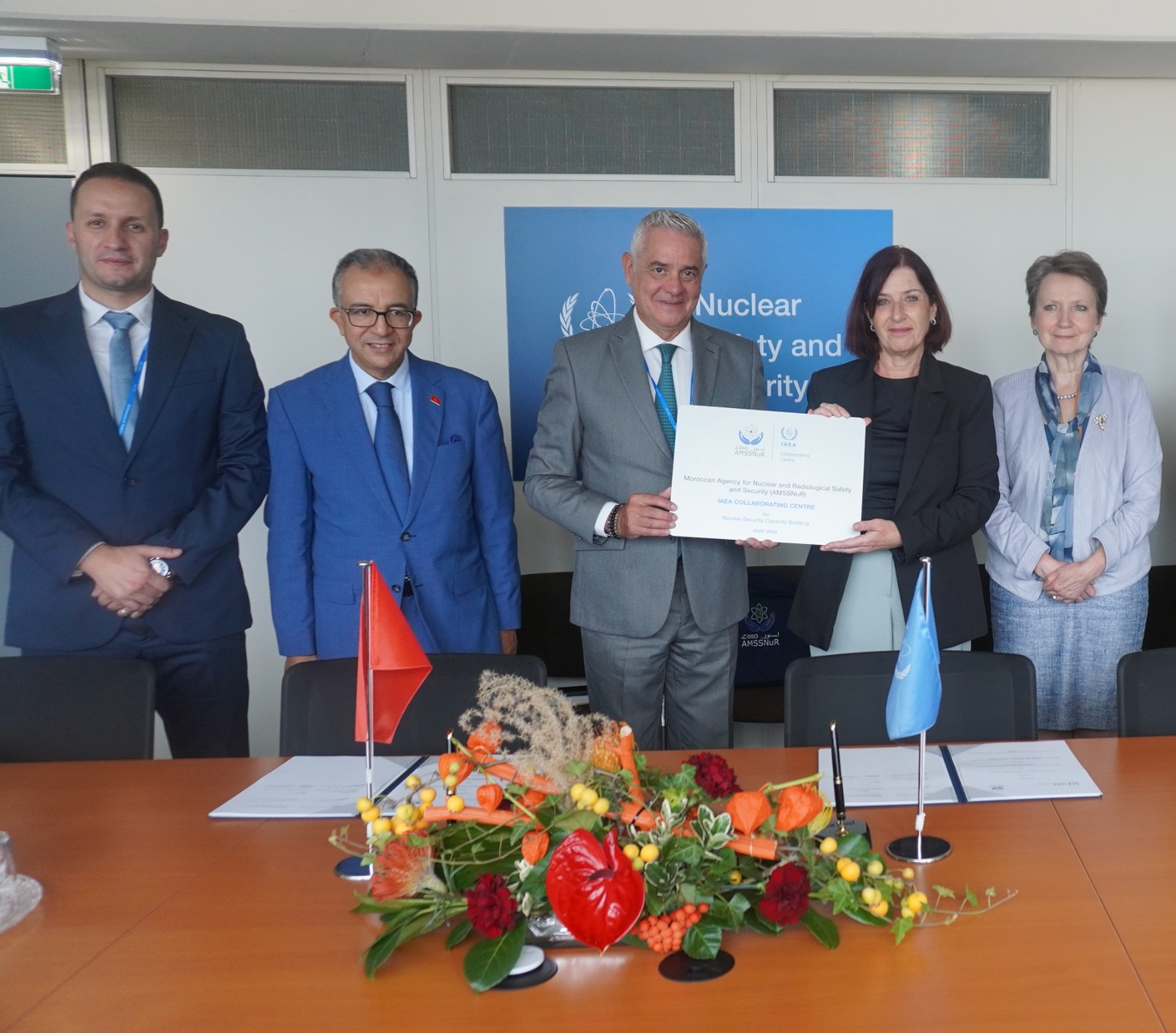
Vienna, September 2025 – On the sidelines of the 69th General Conference of the International Atomic Energy Agency (IAEA), the Moroccan Agency for Nuclear and Radiological Safety and Security (AMSSNuR) took a major new step in its commitment to nuclear safety and security. Two landmark milestones underscored this progress: the renewal of its Practical Arrangements with the IAEA on emergency preparedness and response, and the extension of its designation as an IAEA Collaborating Centre in the field of nuclear security capacity building.

Established in Rabat in 2019, AMSSNuR’s Emergency Preparedness and Response Capacity Building Centre has rapidly become a key player in Africa and beyond. Supported by a robust network of national partners – including the Mohammed V Military Hospital, the General Directorate of Civil Protection, the Ministry of Health through the National Centre for Radiological Protection, and CNESTEN – the Centre has launched multi-year training programs, hosted major international exercises such as the IAEA ConvEx drills, and welcomed the Regional School for Radiological Emergency Management in both English and French editions. The renewal of the Practical Arrangements will further strengthen training, expertise sharing, and international cooperation in this critical area.

At the same time, AMSSNuR has been redesignated as an IAEA Collaborating Centre for another four years in the field of nuclear security capacity building. As the first African institution to earn this recognition in 2021, AMSSNuR reaffirms its pivotal role as a regional and international hub. Its activities have spanned regulation and inspections, security plan evaluations, detection and recovery of orphan sources, and the development of train-the-trainer programs. The Agency has also broadened regional cooperation through FNRBA, ANNuR, and GNSSN, thereby promoting a shared culture of nuclear safety and security.

These two renewals, concluded in the presence of H.E. Mr. Azzeddine Farhane, Ambassador and Permanent Representative of the Kingdom of Morocco to Vienna, underscore the international recognition of Morocco as a regional leader in nuclear and radiological safety and security. They also highlight AMSSNuR’s strategic vision in anticipating emerging challenges linked to small modular reactors, cyber threats, and artificial intelligence.

On this occasion, Mr. Saïd Mouline, Director General of AMSSNuR and Chair of the Global Nuclear Safety and Security Network (GNSSN), emphasized the importance of these partnerships, stating: “They are essential to consolidating a robust, coordinated, and sustainable system for emergency preparedness and response, while building regional expertise and reinforcing international cooperation in the interest of global safety and security.”

With this dual achievement, AMSSNuR reaffirms its ambition to stand as a reference institution – serving Morocco, Africa, and the international community – in ensuring the safe, secure, and peaceful use of nuclear energy and ionizing radiation.


ASNR2.jpg

19 September 2025

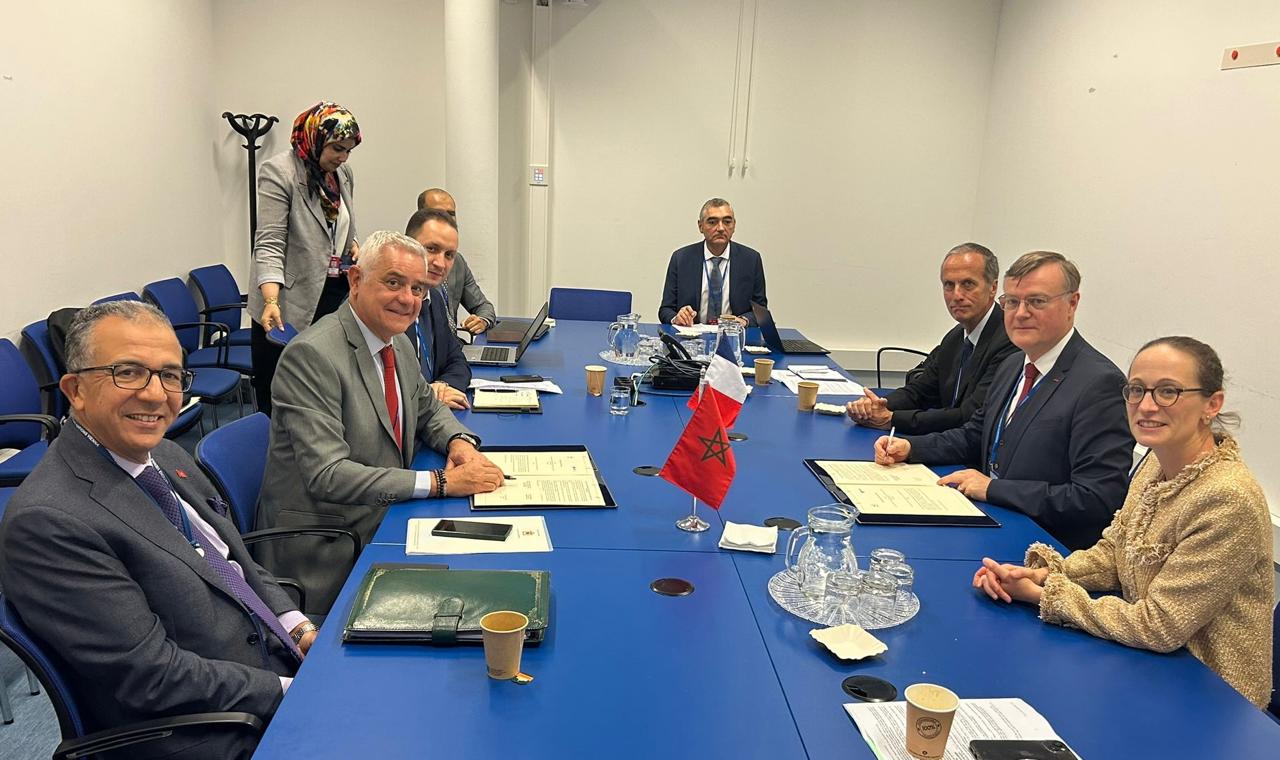
Vienna, September 2025 – On the sidelines of the 69th General Conference of the International Atomic Energy Agency (IAEA), a ceremony was held in Vienna to mark the signing of a Memorandum of Understanding (MoU) between the Moroccan Agency for Nuclear and Radiological Safety and Security (AMSSNuR) and the French Authority for Nuclear Safety and Radiation Protection (ASNR). The ASNR, established on 1 January 2025 following the merger of the French Nuclear Safety Authority (ASN) and the Institute for Radiological Protection and Nuclear Safety (IRSN), embodies France’s renewed regulatory framework. This initiative highlights the shared commitment of both agencies to strengthen bilateral cooperation in nuclear and radiological safety.

The MoU was signed by Mr. Saïd Mouline, Director General of AMSSNuR, and Mr. Pierre-Marie Abadie, President of ASNR, marking a significant milestone for the exchange of information and expertise in several areas, including medical radiation protection, radon risk management, emergency preparedness and response, nuclear facility safety, and specialized training.

This Memorandum establishes a framework of cooperation grounded in equality, reciprocity, and mutual benefit. It covers not only the exchange of scientific and technical information but also the organization of seminars, expert visits, and joint projects. It also defines the principles of confidentiality and intellectual property rights, while clearly stating that the cooperation remains strictly peaceful and non-legally binding.

The signing of this MoU reflects the determination of both authorities to strengthen their institutional ties and reinforce their role in advancing nuclear safety and radiological protection, thereby contributing to the safety and protection of populations and the environment at both national and international levels.


WhatsApp-Image-2025-07-08-a-13.00.17_87dc9268-1280x720.jpg

8 July 2025

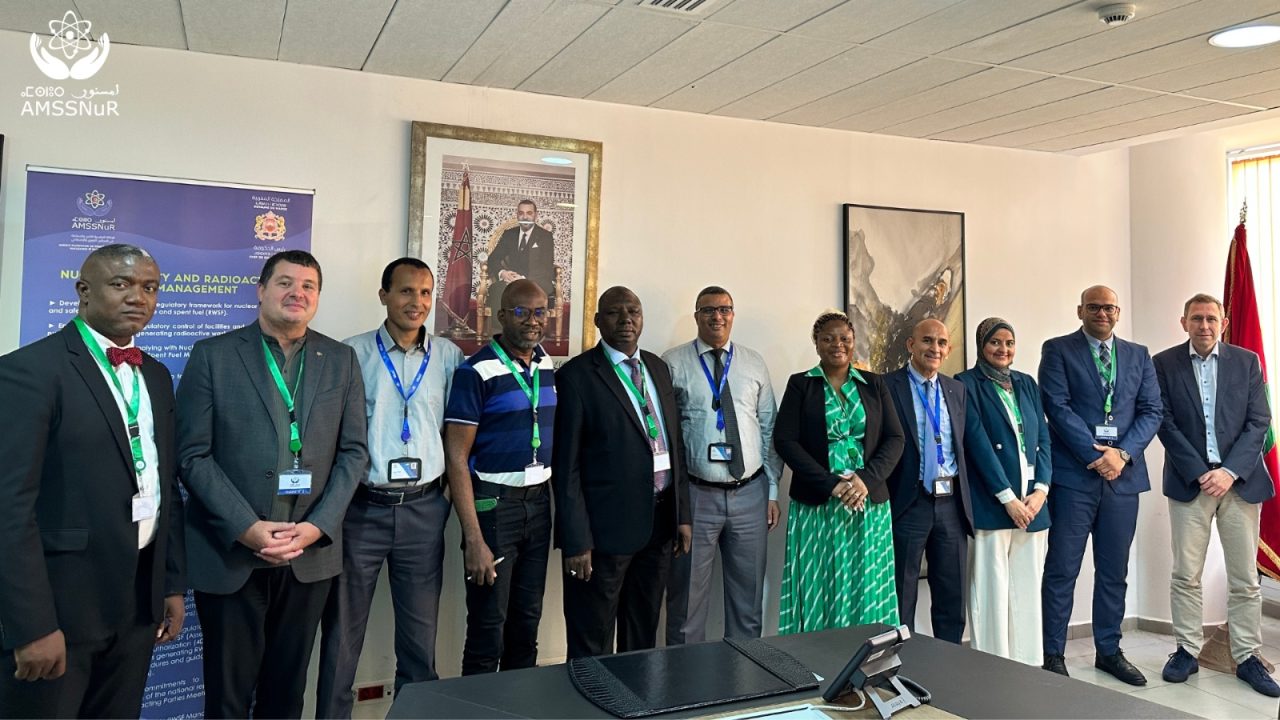
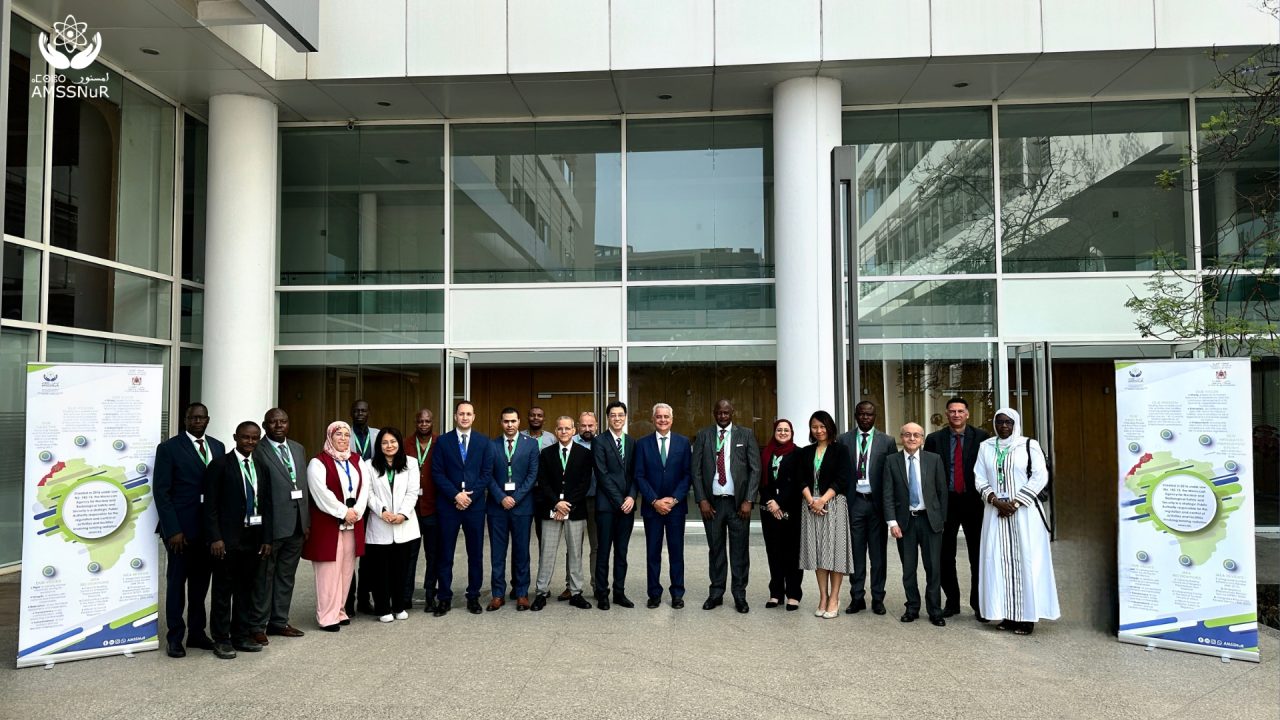
Rabat, 7 July 2025 – As part of the implementation of the Europe/Africa regional cooperation project funded by the European Union, the Moroccan Agency for Nuclear and Radiological Safety and Security (AMSSNuR) hosted, from 7 to 10 July 2025 in Rabat, a training and experience-sharing workshop in the field of leadership and safety culture of regulatory authorities.

Initiated in February 2025 in Rabat under the banner ” Strengthening nuclear safety regulatory capacity in Africa “, this regional cooperation project covers eight themes aimed at strengthening the capacities of regulatory bodies in the fields of nuclear safety and radiation protection in African partner countries.

As part of the eighth theme, this workshop was organized with the support of European experts, in particular the technical support organization of the Belgian authority Bel V (Belgium) and the French Authority for Nuclear Safety and Radiation Protection (ASNR, France), for the benefit of representatives of the nuclear safety authorities of the Kingdom of Morocco, Egypt, Ghana, Nigeria and South Africa.

The work of this workshop focused on the use of IAEA standards in terms of leadership and safety culture, as well as international best practices, particularly in Europe. This work has also led to the development of roadmaps for African authorities to promote these concepts and incorporate them into their integrated management systems, as well as their safety and security capacity development programmes.

This participation demonstrates AMSSNuR’s continued commitment to strengthening regional cooperation and promoting the highest standards of nuclear and radiological safety and security.


WhatsApp-Image-2025-07-03-a-10.49.42_1ffd15f5.jpg

4 July 2025

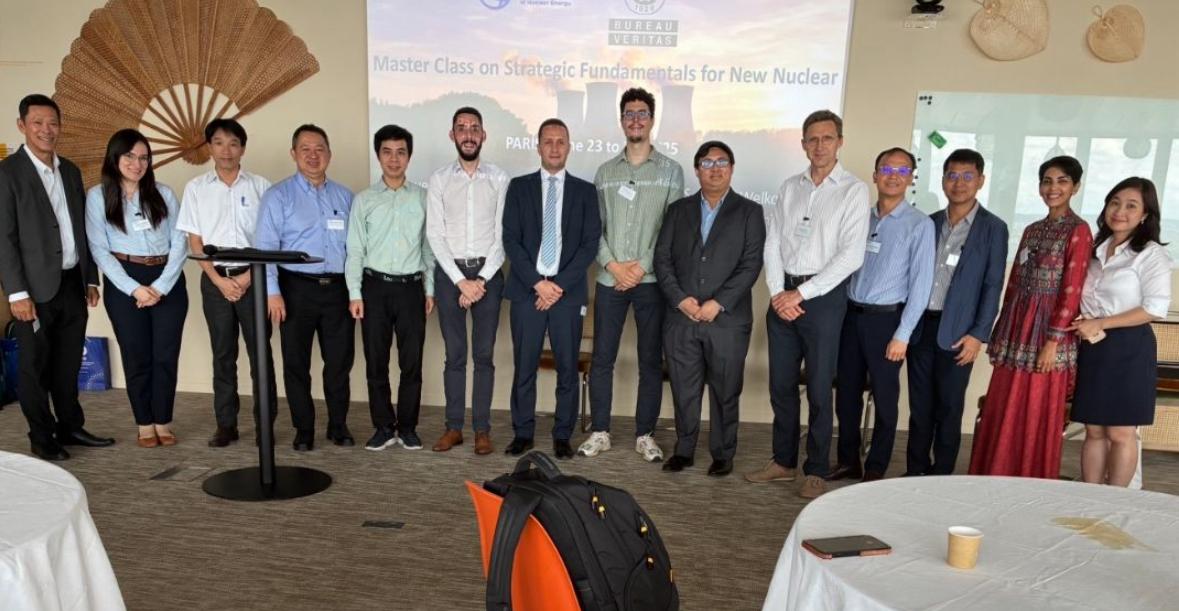
Paris, 23 June 2025 – In line with its mission to strengthen national capacities in nuclear safety and security, the Moroccan Agency for Nuclear and Radiological Safety and Security (AMSSNuR) was represented by its Secretary General, Mr. Reda NOUR, at the Master Class organized by the International Institute of Nuclear Energy (I2EN) in Paris, from 23 to 27 June 2025.

This high-level event, entitled “Strategic Fundamentals for New Nuclear,” brought together government officials, experts, regulators, financial institutions, and nuclear industry stakeholders from around the world. The Master Class aimed to provide a comprehensive strategic understanding of the essential foundations required to develop new nuclear programs, at a time when nuclear energy is once again emerging as a central pillar in the future global energy mix.

Throughout this intensive week, participants engaged in meaningful exchanges with leading French experts, explored concrete case studies, and shared experiences with peers. The program also included technical visits to the CEA Saclay Research Center, the EdF campus, and the Emergency Equipment Centre of the ASNR, offering a hands-on view of France’s capabilities in nuclear innovation, training, and research. This immersion provided valuable insight into how France organizes its governance, develops its nuclear infrastructure, and plans for the sustainable management of nuclear materials and waste.

Discussions addressed critical aspects such as strategic planning prior to political decision-making, the economic and social viability of nuclear projects, the development of robust regulatory frameworks aligned with international standards, and the cultivation of long-term human capital. Key topics such as safety, security, safeguards, and emergency preparedness were approached through an integrated and forward-looking lens.

Through its participation, AMSSNuR continues to reinforce its regulatory and strategic vision, strengthen its professional network with key players in the global nuclear sector, and identify best practices that can be tailored to the Moroccan context—with the goal of supporting the future development of a responsible, well-governed, and sustainable national nuclear program.


RCF-Mod.png

4 July 2025

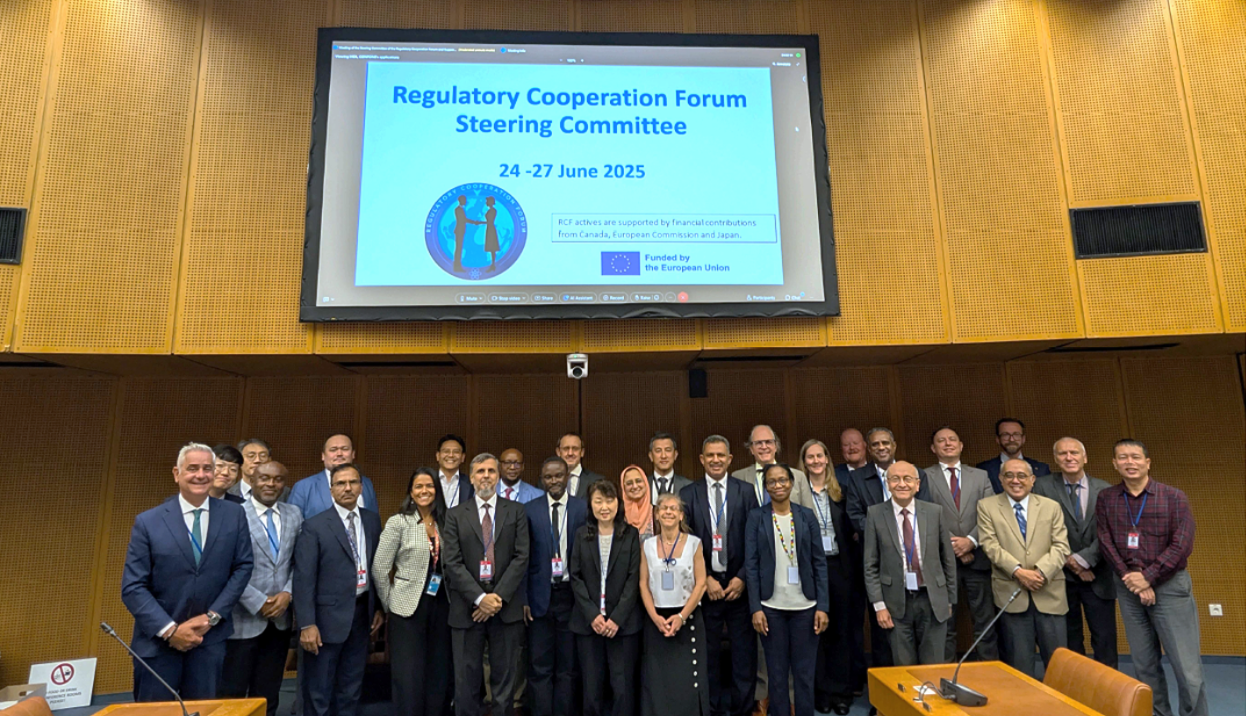
Vienna, Austria – The Moroccan Agency for Nuclear and Radiological Safety and Security (AMSSNuR), represented by its Director General, Mr. Saïd MOULINE, took part in the Steering Committee Meeting of the Regulatory Cooperation Forum (RCF), as well as the related support meeting, organized by the International Atomic Energy Agency (IAEA) from 24 to 27 June 2025 in Vienna, Austria.

Established in 2010, the RCF serves as a platform for regulatory bodies from nuclear countries to promote and enhance collaboration and coordination with countries planning to introduce or expand the use of nuclear energy, as well as with relevant international organizations.

During this meeting, RCF members reviewed the progress made in developing regulatory infrastructure among active beneficiary countries, discussed cooperation mechanisms to foster the exchange of knowledge and experiences among members, examined key performance indicators for each cooperation project, and made strategic decisions on policy and implementation matters.

In his high-level intervention, Mr. Mouline presented AMSSNuR’s strategy for strengthening regulatory capacity, reaffirming its commitment to positioning itself as a strong, exemplary, and independent authority, fully dedicated to protecting people and the environment from the harmful effects of ionizing radiation. He highlighted several structuring actions, stressing the importance of enhanced cooperation at both national and international levels with institutions, technical partners such as the IAEA, GNSSN, and RCF, as well as with the academic community.

Mr. Mouline also recalled the establishment of the African School for Radiological Safety Regulators, launched with IAEA support, as a continental platform for training, mentoring, and knowledge exchange aimed at developing regulatory competencies across Africa. He further underscored AMSSNuR’s role as an IAEA Collaborating Centre in emergency preparedness and response, as well as in nuclear security, having hosted over 90 activities since its designation.

Moreover, Mr. Mouline emphasized the significance of AMSSNuR’s ISO 9001 certification for its Integrated Management System, demonstrating its strong commitment to governance, organizational excellence, and continuous improvement.

He also addressed the challenges of sustaining regulatory capabilities, particularly regarding the management of radioactive ores and emergency preparedness, submitting targeted support requests to the RCF.

AMSSNuR’s participation in these meetings once again highlighted its active role in strengthening international cooperation and regulatory vigilance, its strategic involvement in IAEA networks, and its continued commitment to supporting African countries in upgrading their regulatory frameworks.


TM_Group-Photo-2-1280x960.jpg

4 July 2025

Vienna, Austria – In a constantly evolving digital landscape where misinformation can spread at lightning speed, the management of nuclear and radiological crises faces new and complex challenges. In this context, the Moroccan Agency for Nuclear and Radiological Safety and Security (AMSSNuR) participated in the International Technical Meeting entitled “Public Communication in Emergencies: Tackling Misinformation and Retaining Public Trust in Disruptive Information Environments”, held from 23 to 27 June 2025 in Vienna and organized by the International Atomic Energy Agency (IAEA). At the heart of the discussions: the growing impact of Artificial Intelligence (AI) on emergency communication and the pressing need for a proactive approach to address its implications.

The rise of generative AI has transformed content creation, enabling the rapid production of hyper-realistic text, images, and audio. While this technology offers unprecedented opportunities to enhance official communication in times of crisis, it also poses a significant risk of spreading false information, which can cause panic and distort critical messages. In the face of this technological dilemma, AMSSNuR has made its position clear: AI must be harnessed as an ally in the fight against misinformation.

In its intervention, AMSSNuR emphasized the urgent need to develop AI-based tools capable of rapidly detecting misleading content, strengthening fact-checking processes, and amplifying the dissemination of reliable and verified information. The dual objective is to maintain public trust—an essential element during emergencies—and to ensure optimal coordination among all stakeholders, including operators and relevant institutions.

AMSSNuR’s active participation in this international dialogue, alongside representatives from more than 55 countries, reflects its commitment to embracing new technologies in a strategic, ethical, and resilient manner within its nuclear safety framework. In the age of algorithms, mastering information is more than ever a core component of nuclear and radiological safety and security. Through its forward-thinking approach, AMSSNuR positions itself as a key player in building robust and adaptive responses to tomorrow’s challenges.


Capture-decran-2025-06-10-144721.png

10 June 2025

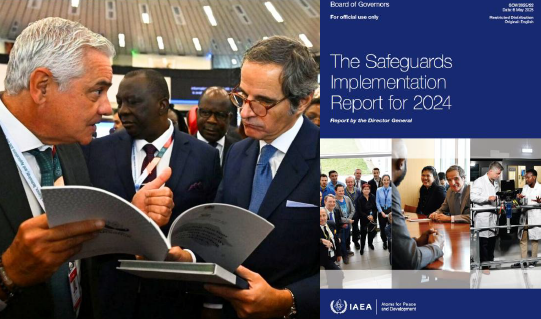
Rabat – For the first time, Morocco has been granted the highest level of assurance by the International Atomic Energy Agency (IAEA) in the field of nuclear safeguards.

The Moroccan Agency for Nuclear and Radiological Safety and Security (AMSSNuR) announced that the IAEA, in its 2024 annual safeguards report, has classified Morocco under the “Full Transparency” (Conclusion Élargie) status. This recognition confirms that all nuclear materials within the Kingdom’s territory are used exclusively for peaceful purposes.

This achievement underscores the strength of Morocco’s regulatory framework, its commitment to nuclear transparency, and its strict compliance with international non-proliferation obligations.

The IAEA’s highest assurance level follows years of verification activities under Morocco’s Safeguards Agreement (1975) and Additional Protocol (2011), covering nuclear facilities, off-site locations, operations, materials, and technologies.

The milestone reflects the dedicated efforts of AMSSNuR alongside national stakeholders, in upholding the Kingdom’s commitments under the Nuclear Non-Proliferation Treaty and IAEA agreements.


FNRBA-8-1280x720.jpg

3 June 2025
RABAT, Morocco – June 2, 2025 Morocco’s commitment to nuclear safety and security leadership takes center stage this week as the Moroccan Agency for Nuclear and Radiological Safety and Security (AMSSNuR) hosts the 22nd Steering Committee meeting of the Forum of Nuclear Regulatory Bodies in Africa (FNRBA). This major event brings together the highest bodies of African regulatory authorities, as well as representatives from the IAEA, the European Commission (EC), the African Commission on Nuclear Energy (AFCONE), and other key organizations such as the French Nuclear Safety and Radiation Protection Authority (ASNR).
Supported by the International Atomic Energy Agency (IAEA), FNRBA serves as a vital regional network, established in 2009 and now encompassing the nuclear and radiological authorities of 34 African IAEA member states. The forum provides a platform for exchanging experiences, sharing best practices, and collectively strengthening regulatory capacities in alignment with stringent international standards.
The significance of the meeting was underscored in the opening address by Mr. Saïd MOULINE, Director General of AMSSNuR and current President of the Global Nuclear Safety and Security Network (GNSSN). He highlighted the critical timing of the discussions, set against a backdrop of rapidly evolving nuclear technologies, including the rise of Small Modular Reactors (SMRs), and the pressing challenges posed by climate change.
Mr. MOULINE emphasized the shared responsibility of African regulators. “As the use of ionizing radiation expands in key sectors such as health, industry, agriculture, research, and energy across our continent, our regulatory responsibility has never been more critical,” he stated. “This growth, while bringing substantial benefits, requires strong regulatory oversight, harmonized approaches, and sustained capacity building.”
He reiterated the imperative to ensure all nuclear and radiological applications on the continent are developed and utilized safely, securely, and in full compliance with international norms. Mr. MOULINE also showcased Morocco’s proactive stance, referencing the landmark adoption of Law No. 142-12 in 2014, which paved the way for AMSSNuR’s establishment in 2016. He outlined the agency’s strategic focus on modernizing regulatory processes through digitalization, enhancing competencies, fostering stakeholder communication, and rigorously aligning with IAEA standards – all reflecting a deep commitment to transparency, quality, and good governance.
Underscoring the power of collaboration, Mr. MOULINE pointed to AMSSNuR’s active participation in networks like FNRBA, GNSSN, and the Arab Network of Nuclear Regulators (ANNuR). The agency has also solidified over twenty bilateral cooperation agreements, positioning itself as a trusted partner for capacity-building efforts within Africa and globally. A tangible example cited was the launch in February 2025 of a major cooperation project under the European Commission’s Instrument for Nuclear Safety Cooperation (INSC), coordinated from Morocco to benefit FNRBA member states.
Addressing the specific needs of the region, Mr. Reda NOUR, Secretary General of AMSSNuR and the FNRBA Coordinator for North Africa, presented a comprehensive analysis of safety and security requirements for North African nations. Based on IAEA-compliant self-assessments, his presentation acknowledged significant progress made by countries like Morocco (AMSSNuR) and Egypt (ENRRA) in establishing robust regulatory frameworks, while also identifying persistent priorities. These include the ongoing need to strengthen regulatory infrastructure, continuously develop human capacity, and actively promote a pervasive culture of nuclear safety and security.
The four-day meeting features a comprehensive agenda. Participants will receive updates on collaborations with international partners, including the European Union, the US Department of Energy’s National Nuclear Security Administration (NNSA/US DoE), the Nuclear Energy Agency (NEA), the Heads of the European Radiological Protection Competent Authorities (HERCA), the International Commission on Radiological Protection (ICRP), and the GNSSN. Discussions will also cover IAEA regional assistance priorities, the progress of FNRBA’s thematic working groups, further analysis of regional needs, and the ongoing implementation of the forum’s strategic plan.