usmba-conference-1280x769.png

4 June 2021

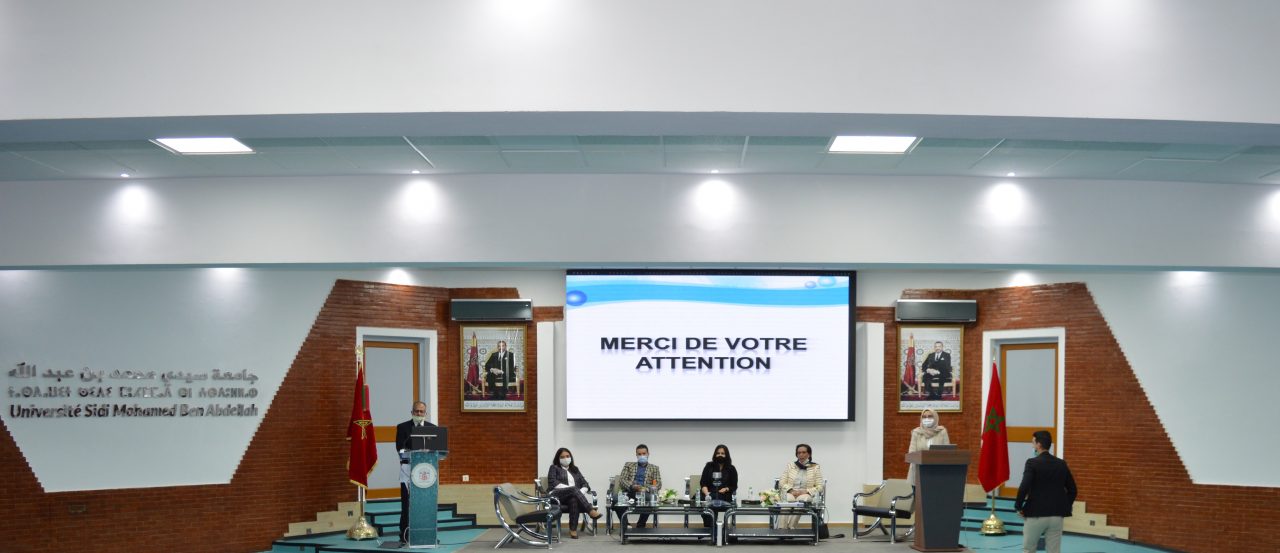
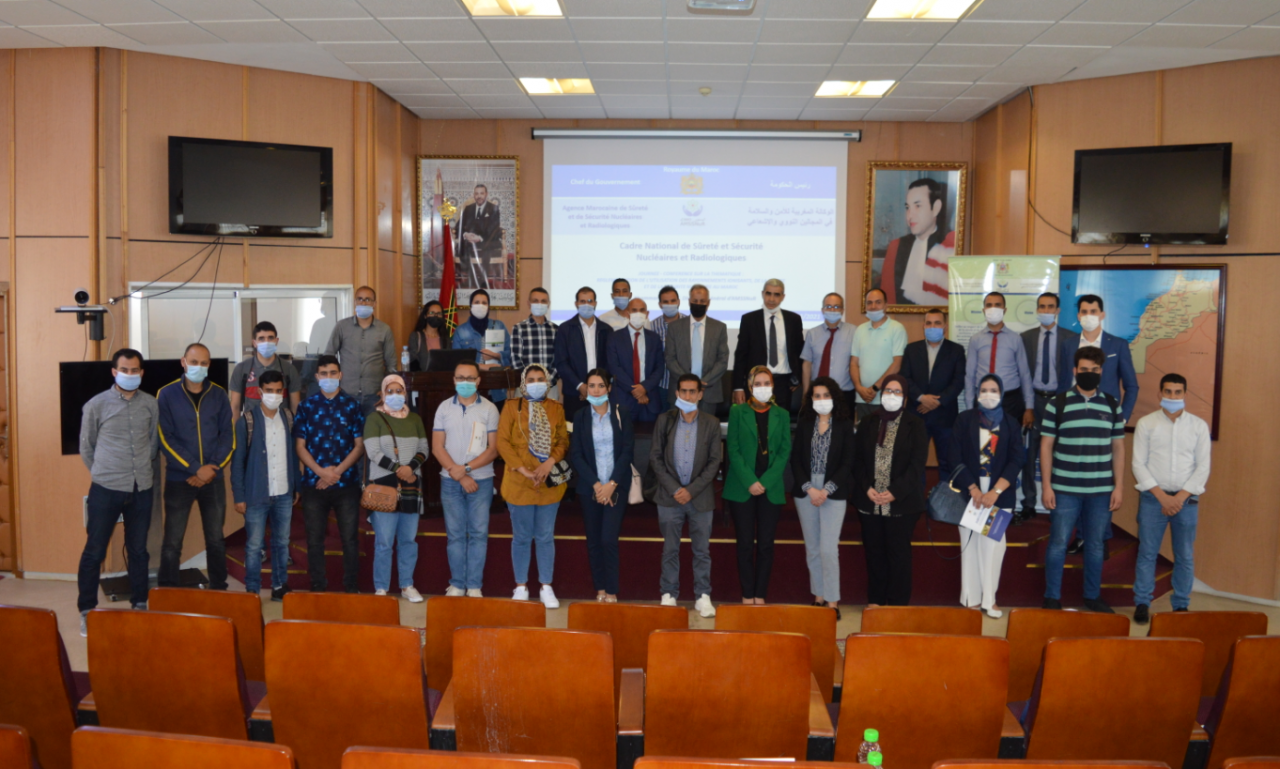
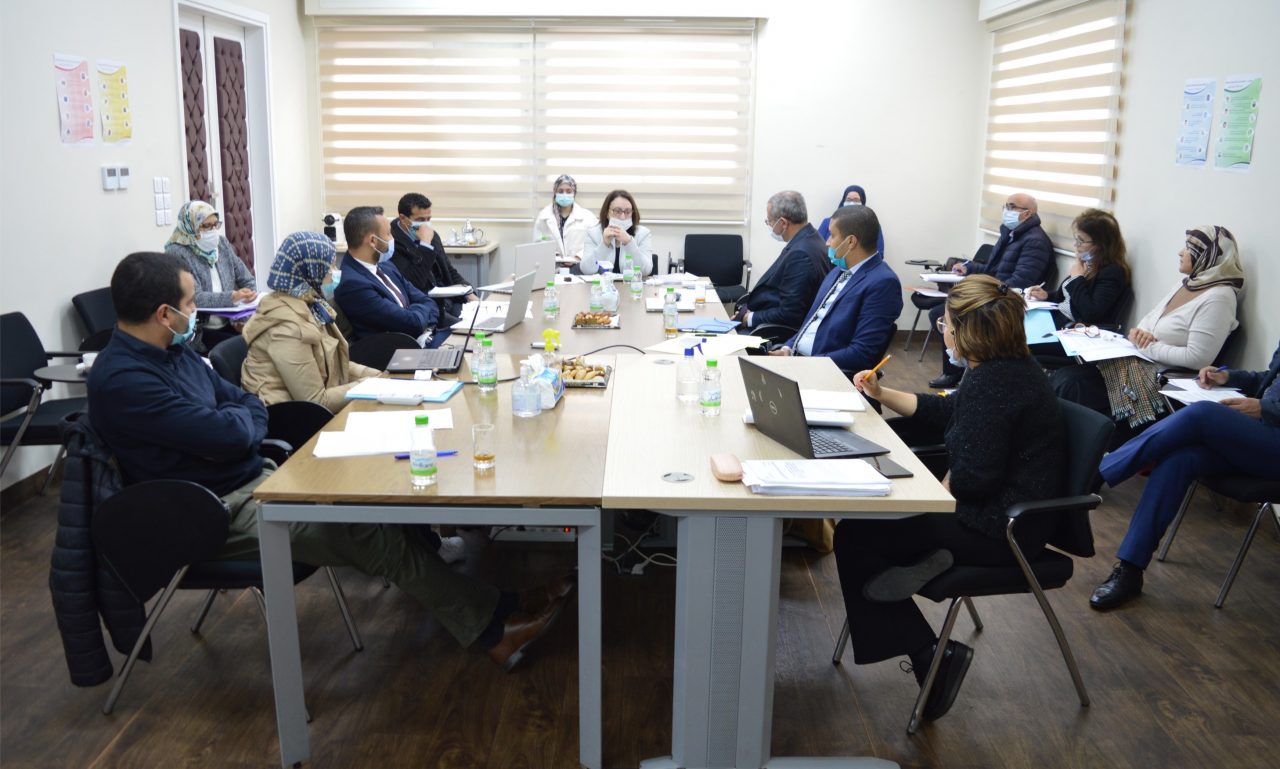
The Moroccan Agency for Nuclear and Radiological Safety and Security (AMSSNuR) was invited by the Dhar El Mahraz Faculty of Sciences of the Sidi Mohammed Ben Abdellah University of Fez (USMBA), on June 4, 2021, to host the day-conference on the Regulation of the Use of Ionizing Radiation, Nuclear Safety and Security in the Kingdom of Morocco.

This one-day conference was organized following the agreement signed between AMSSNuR and the USMBA as part of the implementation of the theoretical and practical training strategy in the fields of nuclear and radiological safety and security and it dealt with themes related to the regulation of nuclear and radiological safety and security in the Kingdom of Morocco as well as the role of AMSSNuR and its Professors from the faculty as well as bachelor’s, master’s and doctoral students participated.

Also part of the communication and public information strategy implemented by AMSSNuR, this meeting was an opportunity to highlight the legislative reference, in particular Law No. 142-12, as well as all the texts and draft regulatory texts aimed at the application of the said law.

During this conference, engineers and senior managers of AMSSNuR made several presentations in all its fields of intervention, namely: the national and international legislative and regulatory framework for the protection of workers, the public and the environment against ionizing radiation, the national and international legislative and regulatory framework relating to nuclear safety and safeguards, the legislative and regulatory framework relating to nuclear safety and the safety of radioactive waste management, as well as the management of nuclear or radiological emergencies.

Following the presentations, the open debate was very popular with the students, who asked various questions about nuclear and radiological safety and security.
FNRBA-AFCONE-1280x683.png

1 June 2021

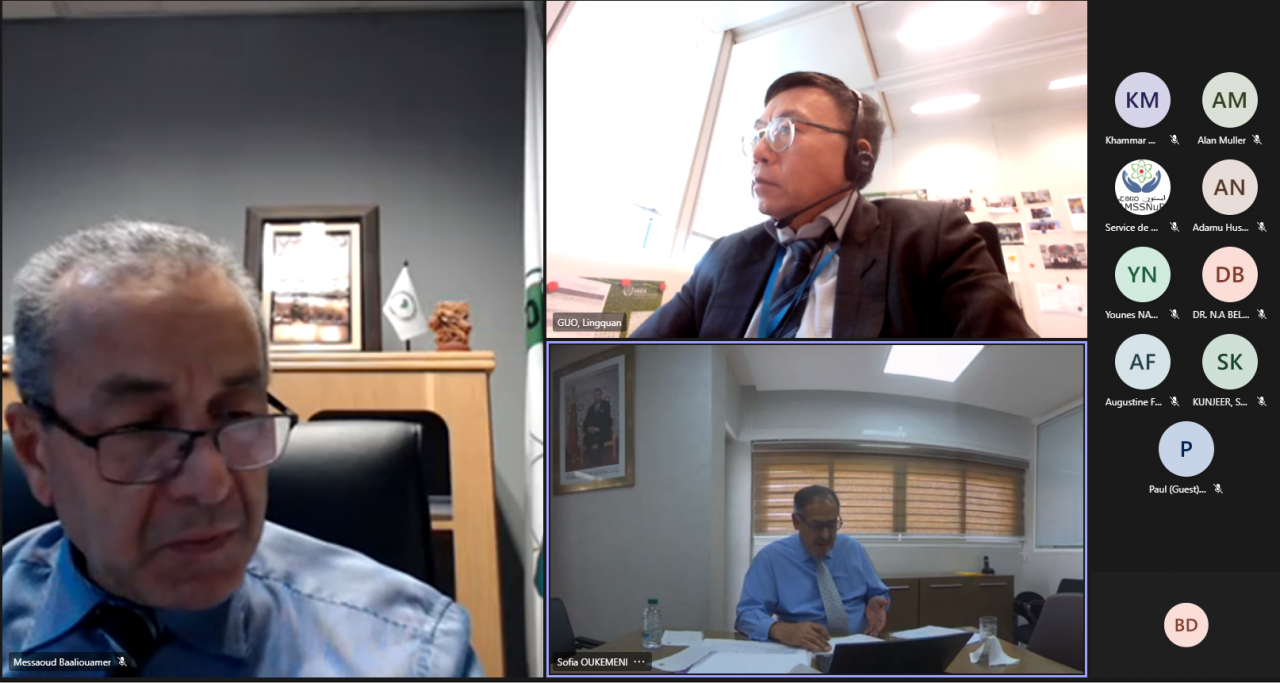
OnJune 1 , 2021, an important meeting was held between the Forum of Nuclear Regulators in Africa (FNRBA) and the African Nuclear Energy Commission (AFCONE), on the identification of the means and mechanisms for the development of the partnership between the two regional bodies in the field of nuclear and radiological safety and security.
During this virtual meeting, which was attended by representatives of the FNRBA thematic groups and experts from the International Atomic Energy Agency (IAEA), Dr. Khammar MRABIT, President of the FNRBA and Mr. Messaoud BAALIOUAMER, Executive Secretary of AFCONE, held discussions on the means and mechanisms necessary for the development of a partnership framework between the two regional bodies, and covering the six themes in which the FNRBA is involved, namely legislative and regulatory infrastructure, radiation protection and waste safety, nuclear safety infrastructure, emergency preparedness and response, transport safety infrastructure and nuclear security infrastructure.

In conclusion, the meeting stressed the need to programme joint activities in the fields of nuclear security and safety within the framework of this partnership, for the benefit of the African continent.

It should be noted that the FNRBA, chaired by the Kingdom of Morocco in the person of Dr. Mrabit for the period 2019-2021, was established in 2009 and was officially recognized as a regional intergovernmental organization in September 2019, with the objective of improving, strengthening and harmonizing the regulatory infrastructure for radiation protection, nuclear safety and security, and the culture of safety and security among its 34 member States, and that AFCONE, established under the Treaty of Pelindaba in 2009, works to promote the peaceful application of nuclear science and technology in Africa.


Image3-1280x769-1.jpg

26 May 2021

As part of the work to upgrade the national regulatory framework for nuclear and radiological safety and security and in preparation for the11th plenary meeting of the Regulatory Framework Upgrade Committee (RCC), the Moroccan Agency for Nuclear and Radiological Safety and Security (AMSSNuR) organized a series of meetings of the Thematic Working Groups (TWGs) from the RCC from 6 to 26 May 2021.

All the national stakeholders concerned took part in these meetings, namely: representatives of ministerial departments, public institutions and associations of professionals concerned by the draft regulatory texts examined.

These meetings of the thematic working groups focused on the presentation and discussion of two draft decrees, four draft orders and six draft technical requirements listed below:

  • Draft Decree on the Physical Protection of Nuclear Material and Associated Facilities and Activities;
  • Draft Decree on Uranium and Thorium Mining and Processing Authorizations;
  • Draft Order relating to the content and form of the final report on research reactors;
  • Draft Order on the maintenance and quality control of equipment or sources of ionizing radiation for medical use;
  • Draft Order on the transmission of dosimetric results;
  • Draft Order on technical controls on radiation protection and checks on the effectiveness of technical means of radiation protection as well as the procedures for carrying out these controls.
  • Draft Technical Requirements on the Minimum Content of the Annual Report of Laboratories Approved for the Measurement of Radon Activity in Air;
  • Draft Technical Requirements on the Deterministic Analysis Approach for Research Reactors;
  • Draft Technical Requirements for the Maintenance Program of Research Reactors;
  • Draft Technical Requirements for the Aging Management Program for Research Reactors;
  • Draft Technical Requirements for the Physical Protection of Nuclear Facilities and Nuclear Material in Use and Storage; and
  • Draft Technical Requirements for the Physical Protection of Nuclear Material During Transport;

During the11th plenary meeting of the Regulatory Framework Upgrade Committee (RCC) scheduled for June 15, 2021, the 12 drafts of the above-mentioned regulatory texts will be presented for technical approval. Indeed, this11th meeting of the CCR is part of the consultation process and the roadmap put in place by AMSSNuR for the development and submission to the Head of Government of all the regulatory texts necessary for the implementation of Law No. 142-12.


ANNuR.png

19 May 2021

The Moroccan Agency for Nuclear and Radiological Safety and Security (AMSSNuR) took part, on Tuesday, May 18, 2021, in the work of the twelfth meeting of the Arab Nuclear Regulatory Authorities organized by the network of Arab Nuclear Regulatory Authorities (ANNuR) and the Arab Atomic Energy Agency (AAEA).

Held remotely and in Arabic, the meeting focused on topics of increased importance relating to regulatory oversight in the nuclear and radiological fields and the development of the human, technical and organizational capacities necessary to ensure a high level of nuclear and radiological safety and security. The meeting also identified concrete actions that Arab States should take to establish and/or improve their national regulatory infrastructure, including through education and training.
Indeed, this meeting is part of the implementation of the “Arab Strategy for the Peaceful Use of Atomic Energy” and in particular the action plan of the project entitled “Strengthening Regulatory and Legislative Frameworks for Nuclear and Radiological Activities in Arab Countries” which was approved by senior officials of these countries.

The objectives of this meeting were to assess the progress made by the ANNuR network, to estimate the current and future needs of the Arab nuclear authorities, to set up an Arab training and qualification programme for radiation safety officers and to exchange good practices developed in terms of radiological monitoring of the environment and early notification.

In this sense, Dr. Khammar Mrabit, Director General of AMSSNuR, shared the Moroccan experience in the development and strengthening of the regulatory framework for nuclear and radiological safety and security, as well as in the development and implementation of national strategies dedicated to theoretical and practical training in nuclear and radiological safety and security and radiological monitoring of the environment.

Dr. Mrabit also stressed the importance of deploying cooperation mechanisms aimed at exchanging experiences and sharing good practices. He also demonstrated the willingness and commitment of AMSSNuR to build on its achievements by implementing bilateral and multilateral cooperation actions, particularly through collaboration networks, such as the Forum of Nuclear Regulatory Authorities in Africa (FNRBA) chaired by Dr. Mrabit, as well as expert missions, training courses and technical and scientific visits.

Finally, the twelfth meeting of the Arab nuclear authorities provided an opportunity to exchange knowledge and experience among the various Arab countries. This spirit of sharing fosters, in the medium and long term, the improvement, strengthening and harmonization of national nuclear and radiological infrastructures and regulatory frameworks and aims to support the global nuclear and radiological safety and security system.


webinaire-protection-de-lenvironnement.png

30 April 2021

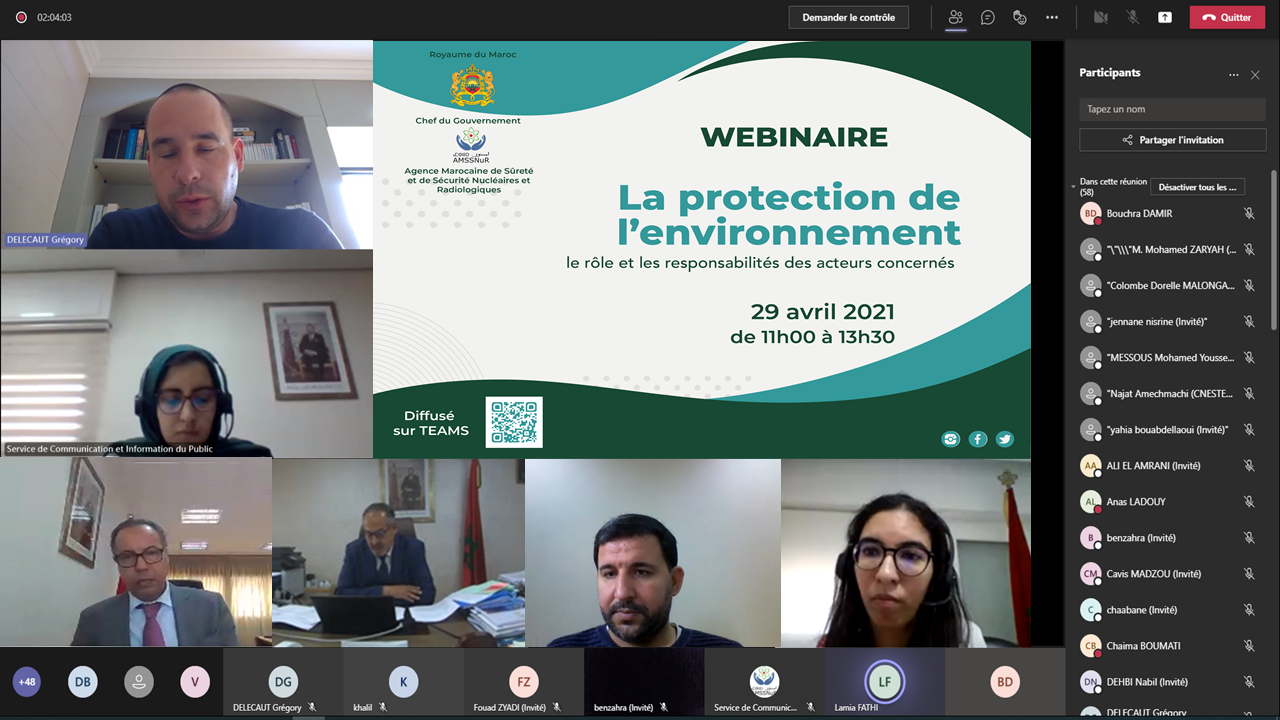
As part of the implementation of its non-media communication plan, the Moroccan Agency for Nuclear and Radiological Safety and Security (AMSSNuR) organized, on April 29, 2021, a webinar on the theme of environmental protection: the role and responsibilities of the actors concerned, an online meeting for the community of professionals and specialists in nuclear and radiological safety and security and environmental protection.
The first in a series of thematic webinars planned by AMSSNuR, this event aimed to present the national institutional and regulatory framework in the field of environmental protection and to highlight the efforts made by the ministerial department concerned, by AMSSNuR for the radiological protection component, by operators and by international experts in this field.
In his opening remarks, Dr. Khammar Mrabit, Director General of AMSSNuR, who chaired the webinar, outlined the achievements of AMSSNuR as part of its 2017-2021 strategic plan. He recalled that AMSSNuR has set up a national strategy for radiological monitoring of the environment, which it implements in collaboration with other actors involved in order to monitor the levels of radioactivity in the environment and, therefore, adequately counter any abnormal rise in these levels.
Taking part in this webinar, Mr. Fouad Ziadi, Inspector General at the Ministry of Energy, Mines and Environment, focused his intervention on the legal and regulatory framework relating to environmental protection in the Kingdom of Morocco.
For her part, Mrs. Lamia Fathi, Head of the Environmental Radiological Monitoring Service at AMSSNuR, dwelt on AMSSNuR’s activities in the field of radiological protection of the environment, in particular on the national network of radiological monitoring of the environment set up by AMSSNuR.
In his speech, Mr. Mohamed Zaryah, Head of the Division of Laboratories and Monitoring Networks at the National Center for Nuclear Energy, Science and Technology (CNESTEN), looked at the steps taken to ensure the self-monitoring of the environment around the facilities of the Maamora Nuclear Studies Center, in particular the research reactor.
This webinar was also marked by the intervention of Mr. Grégory Delécaut, Head of the IRE Lab Department of the Belgian Institute of Radioelements (IRE), one of AMSSNuR’s foreign partners working in the field of radiological monitoring of the environment. Mr. Delécaut presented the analysis and monitoring of radioactivity as part of the activities of the IRE laboratories, and highlighted the cooperation between Belgium and the Kingdom of Morocco in this field.
The upcoming thematic webinars will cover issues related to AMSSNuR’s areas of competence and expertise, including radiation safety, medical exposure optimization, nuclear or radiological emergencies, nuclear security, nuclear safety, safety of radioactive waste management, and nuclear safeguards. These webinars aim to maintain contact, to communicate about AMSSNuR’s activities and to inform the public and professionals of the latest developments in the sector, in terms of organization and regulations to ensure the safe and secure use of nuclear techniques in our country.
It should be recalled that AMSSNuR is committed to the promotion of a solid and sustainable culture of nuclear and radiological safety and security in all activities involving ionizing radiation through the implementation, in addition to regulatory control actions, of various communication actions. Indeed, AMSSNuR aims to strengthen the culture of nuclear and radiological safety and security not only among professionals, but also among the general public, in order to achieve its mission, that of protecting humans, society and the environment against the risks inherent in ionizing radiation.


29 April 2021

Dr. Khammar Mrabit, Director General of the Moroccan Agency for Nuclear and Radiological Safety and Security (AMSSNuR) took part in a seminar organized jointly by the Nuclear Security Division and the Incident and Emergency Center of the Nuclear Safety and Security Division, under the International Atomic Energy Agency (IAEA).

Held remotely and in Arabic on April 29, 2021, this seminar focused on strengthening national capacities in the areas of security and Preparedness and Response.

The objective of the seminar was to discuss the IAEA’s methodology for capacity building in these areas, while presenting the support programmes offered by the IAEA. It also aimed to define the roles and responsibilities of organizations involved in capacity development, as well as to identify the important role of partnerships in capacity-building activities.

Through his presentation on the Moroccan experience in national capacity building in the Kingdom of Morocco, Dr. Mrabit presented the missions, objectives and partnerships of AMSSNuR, the Moroccan regulatory authority recognized by the IAEA as the first African capacity building center in Africa in nuclear and radiological emergency preparedness and response.

Subsequently, Dr. Mrabit recalled all the events, aimed at strengthening national capacities, organized by AMSSNuR, including the regional course of the School of Radiological Emergency Management held in 2018, in addition to the various national and regional training workshops on the preparation and conduct of responses in the event of a nuclear or radiological emergency, organized with the support of the IAEA and the European Union.

Also, Dr. Mrabit presented the four field exercises relating to radiological emergencies that were triggered by security events, organized in four regions of the Kingdom by the General Directorate of Civil Protection.

Finally, Dr. Mrabit shared AMSSNuR’s good practices in terms of human resources management and demonstrated AMSSNuR’s commitment to strengthening and maintaining national capacities, including training and education on preparing for and responding to nuclear or radiological emergencies, through AMSSNuR’s capacity building center.


Laureats-PGEC.png

23 April 2021

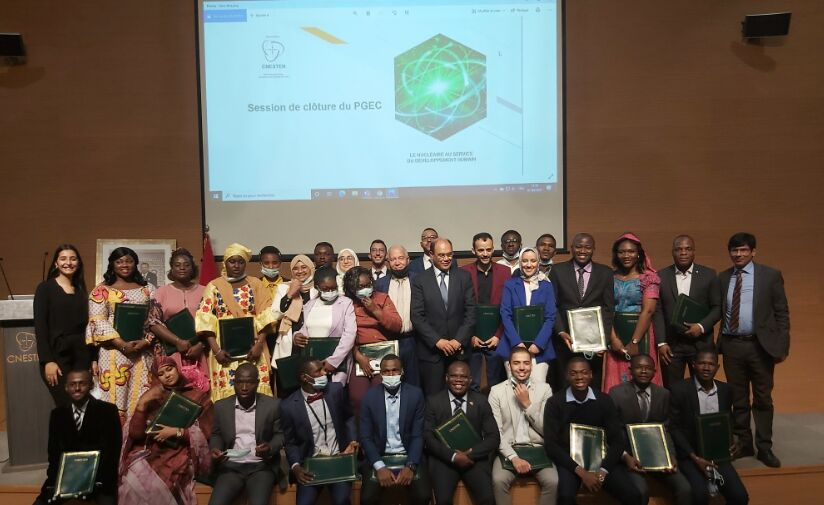
As part of the implementation of the 2017-2021 strategic plan of the Moroccan Agency for Nuclear and Radiological Safety and Security (AMSSNuR) aimed at developing and maintaining its human and organizational capacities necessary for the implementation of its strategic plan, three AMSSNuR employees benefited from the regional post-graduate training in radiation safety and control of ionizing radiation sources (PGEC) organized by the National Center for Radiation Safety and Security. Nuclear Energy, Science and Technology (CNESTEN), in partnership with the Mohammedia School of Engineering (EMI) and the International Atomic Energy Agency (IAEA).

Several national institutions collaborated for the success of this training, including the Faculty of Medicine and Pharmacy of Rabat, the Faculty of Sciences of Rabat, the Sidi Mohamed Ibn Abdellah National Institute of Oncology, the Ibn Sina University Hospital, the Mohammed V Military Hospital and the National Center for Radiation Protection. For its part, AMSSNuR, as a regulatory body, coordinated Module IV of the ECMP through which it shared its experience in the control of the safety aspects of ionizing radiation sources and radiation protection, it also provided technical and scientific support to CNESTEN, to ensure capacity building and knowledge sharing at both the regional and national levels.

In their capacity as engineers in the Department of Radiation Safety and Environmental Protection of AMSSNuR, three employees took part in this11th session of the PGEC training which lasted 5 months and in which 28 African professionals took part.

Indeed, the PGEC training is based on a comprehensive program that is aimed at young professionals and helps them build a solid foundation in radiation protection, as well as in the safety of radiation sources. Based on a standard curriculum and with both theoretical and practical training elements, the ECMP imparts multidisciplinary scientific and technical foundations, international standards and recommendations for radiation protection and also focuses on their implementation.

Thus, the PGEC training contributes to the strengthening of national capacities and those of other African countries, in particular through the organization of seminars, practical work, tutorials, mini-projects and technical field visits.

As a result, the three AMSSNuR employees, who have graduated from this training, have developed scientific and technical, theoretical and practical knowledge in the field of radiation safety, which will enable them to best accomplish the missions entrusted to them in this field.

It should be recalled that in 2017, two AMSSNuR employees benefited from the same training, which means that today, five AMSSNuR employees are graduates of the PGEC training.


DSC_0080-1280x553.jpg

12 April 2021

Within the framework of national cooperation, in particular with university training institutions, the Moroccan Agency for Nuclear and Radiological Safety and Security (AMSSNuR) organized on April 11 in Fez, in cooperation with the Sidi Mohammed Ben Abdellah University of Fez (USMBA) and the Center for Studies, Research and Public Dialogue (CERDP) a conference-debate on the theme “Nuclear and Health”.

Organized following the signing of a partnership agreement between AMSSNuR and the USMBA of Fez for the implementation of training programs in the fields of nuclear and radiological safety and security, and held both face-to-face and remotely, this conference aims to raise public awareness on the safe and secure use, nuclear and radiological techniques in the medical field, through various interventions by national and international experts specialized in the fields of medicine, research, education and regulation, including His Excellency Rafael Mariano Grossi, Director General of the International Atomic Energy Agency (IAEA), Dr. Khammar Mrabit, Director General of AMSSNuR, Dr. Redouane Mrabet, President of the USMBA of Fez, Dr. Hind Aschawa, President of the Moroccan Association of Nuclear Medicine, Dr. Nadia Alaoui Ismaili, Head of the Nuclear Medicine Department at the Hassan II University Hospital Center of Fez and Dr. Hicham Harrass, Professor of Biophysics at the Faculty of Medicine and Pharmacy of Casablanca.

During this conference, in which about a hundred participants took part, the presentations focused on the role of the IAEA and the application of the provisions of international standards to ensure the protection of people against exposure resulting from the use of ionizing radiation in medical practices, as well as the national legislative and regulatory provisions provided for by Law No. 142-12 and its implementing texts, to ensure and improve the radiation protection of workers, patients and members of the public.

Other presentations focused on training and research on the use of ionizing radiation applications in medicine, practical experiences of health sectors using ionizing radiation sources, including nuclear medicine and medical physics.

As part of the public awareness campaign, this conference is an opportunity to highlight scientific and technical advances in terms of the use of ionizing radiation in the medical field, on the one hand, and to inform the professionals concerned of the legislative and regulatory provisions, inspired by international norms and standards and allowing to ensure nuclear and radiological safety and security, on the other hand.

In this sense, the conference ended with a session of exchange and debate that focused mainly on the applications of ionizing radiation in the field of medicine and the national regulatory framework governing the use of ionizing radiation.


bulletin-officiel.png

11 April 2021

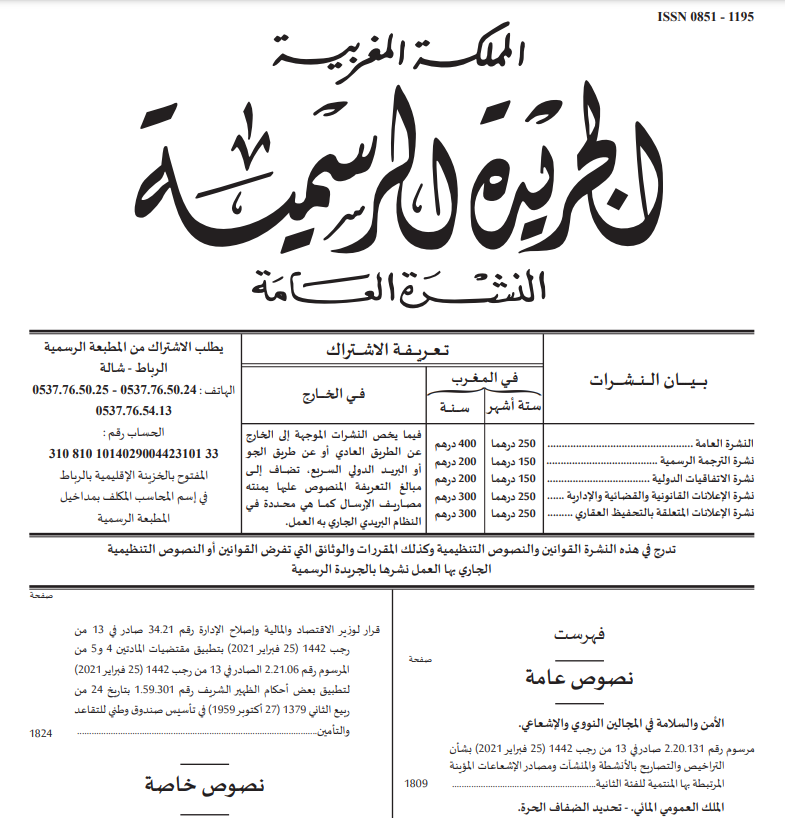
The Moroccan regulatory framework relating to nuclear and radiological safety and security has been strengthened following the recent publication in Official Bulletin No. 6968 of Decree No. 2-20-131 on the authorizations and declarations of activities, installations and sources of associated ionizing radiation falling under category II taken pursuant to Law No. 142-12.

Indeed, this decree drawn up by the Moroccan Agency for Nuclear and Radiological Safety and Security (AMSSNuR) as part of the work of the Committee for the Upgrading of the Regulatory Framework for Nuclear and Radiological Safety and Security (CCR), sets the terms and conditions for granting, modifying and renewing the authorization of activities, installations and sources of ionizing radiation falling under class I, II, III and IV. The text of this decree also provides for provisions specific to the activity of transport and transit of radioactive materials with the exception of nuclear material, to the extraction and processing of natural minerals, and to the management of radioactive waste other than nuclear fuel. The decree also determines the procedures for declaring installations and activities falling under class V.

Adopting a participatory approach involving all ministerial departments, professional organizations concerned, for the development and submission to the Head of Government of all the regulatory texts necessary for the implementation of Law No. 142-12, AMSSNuR ensured the examination and evaluation of the content of Decree No. 2-20-131 by involving international experts from the International Atomic Energy Agency (IAEA) and the European Union (EU). This is in order to ensure its compliance with the international standards and commitments on nuclear and radiological safety and security to which our country has subscribed.

As a reminder, the nuclear and radiological safety and security regulatory project is one of the priority obligations enacted by Law No. 142-12 as well as by the strategic orientations adopted by the AMSSNuR Board of Directors since 2016.


UIR-AMSSNuR-1280x821.png

9 April 2021

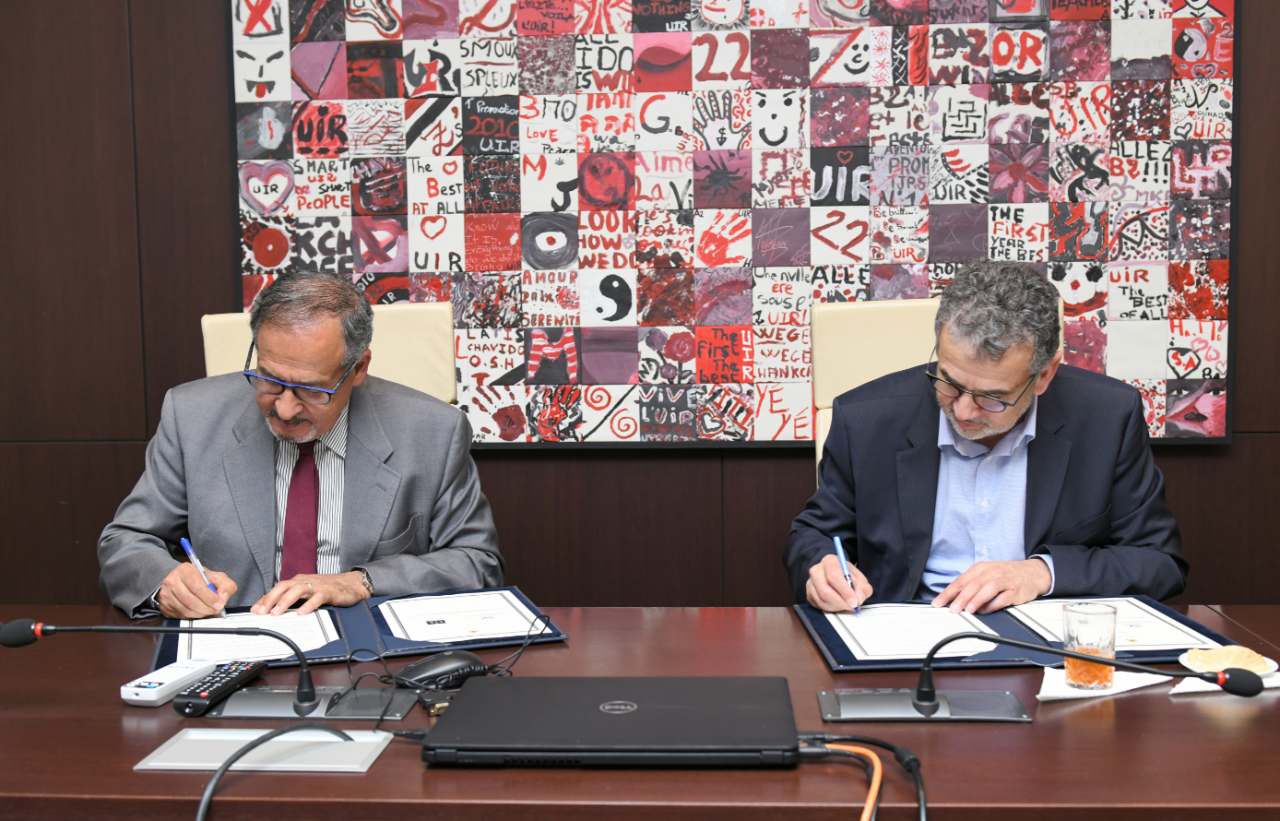
As part of the strengthening of its partnership with national actors in training and higher education, AMSSNuR signed, on April 5, 2021, a cooperation agreement with the International University of Rabat (UIR) which aims to combine the efforts of the two parties to implement some axes of the theoretical and practical training strategy in the fields of nuclear and radiological safety and security, carried out in 2019 and presented to its Board of Directors.

Signed by Mr. Khammar Mrabit, Director General of AMSSNuR, and Mr. Noureddine Mouaddib, President of the UIR, this agreement aims to set up safety and security training programs in order to respond in part to the needs identified both at the national and regional levels, particularly in Africa, which are estimated at more than 14,000 people for the next five years for Morocco.

On this occasion, the two parties confirmed their commitment and willingness to design initial and continuing education programs in accordance with national regulatory requirements and IAEA standards and to explore together the possibility of creating an African academy in safety and security, in particular through chairs, a doctoral school, executive master’s degrees and professional licenses adapted to national and African needs.

In this context, Mr. Noureddine Mouaddib, underlined the capacity of the UIR and its agility to develop pedagogical and training engineering to put the various programs under the agreement, to deploy them also on e-learning platforms and to welcome Moroccan and foreign students from the start of the 2021/2022 academic year.

For his part, Mr. Khammar Mrabit reiterated AMSSNuR’s commitment to communicate to the UIR the regulatory texts governing radiation safety training, the syllabi established by the IAEA for each type of training and to involve the latter in the implementation of the identified programs.

Closing the signing ceremony of the agreement, Mr. Khammar Mrabit stressed the importance of the agreements put in place by AMSSNuR with the various parties concerned to strengthen skills at the national level in the fields of nuclear and radiological safety and security and to respond to the requests of African countries represented in the network of nuclear safety authorities that he has chaired since 2019.