PNI-SUNR-1280x849.png

2 April 2021

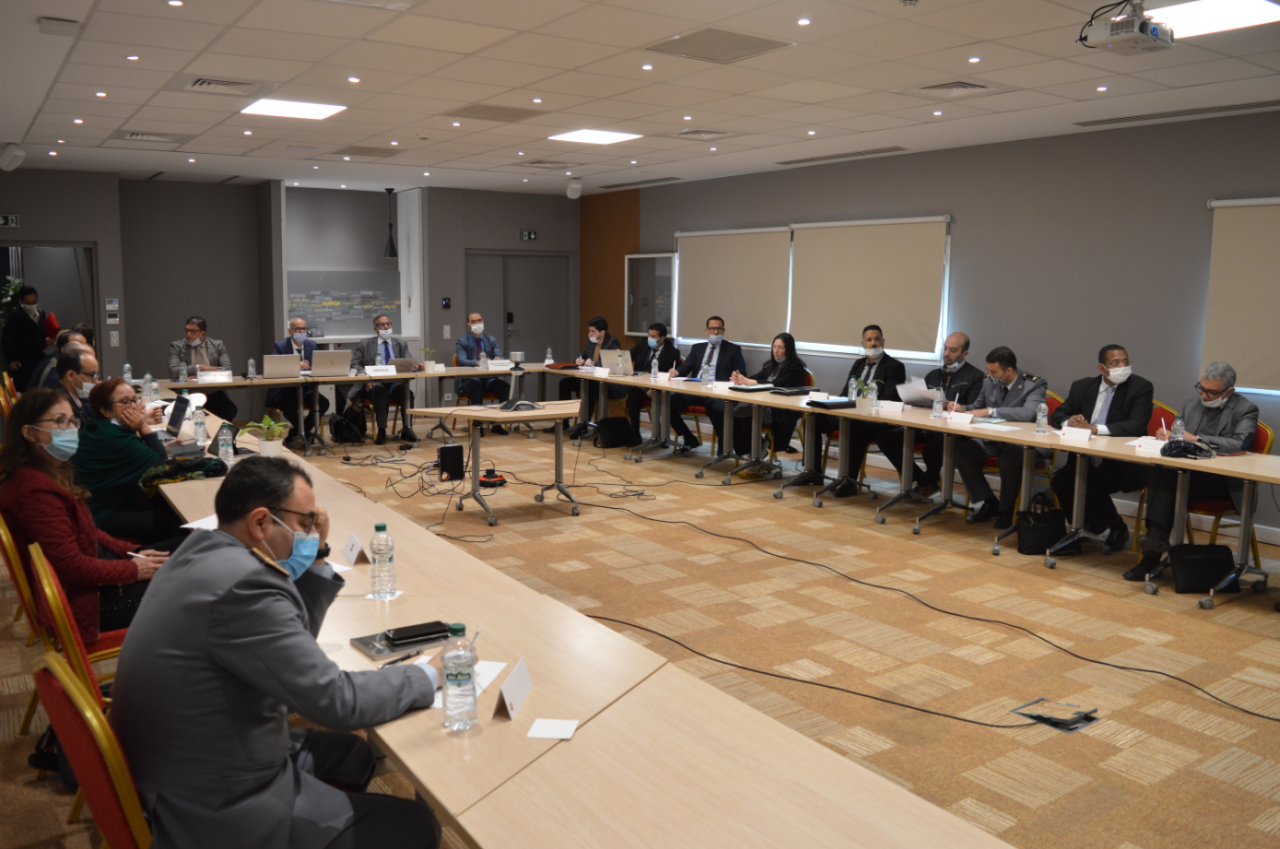
The Moroccan Agency for Nuclear and Radiological Safety and Security (AMSSNuR) is organizing from March 29 to April 2, 2021, with the support of the International Atomic Energy Agency (IAEA), a national workshop on the review of the draft National Nuclear or Radiological Emergency Response Plan (PNI-SUNR).

All national stakeholders concerned with nuclear and radiological emergencies are taking part in this workshop, including the Ministry of the Interior, the Ministry of Foreign Affairs, African Cooperation and Moroccans Abroad, the Ministry of Energy, Mines and Environment, the Ministry of Health and the National Energy Center, of Nuclear Science and Technology (CNESTEN). Security agencies are also participating in this workshop, namely the Royal Armed Forces (FAR), the Royal Gendarmerie, the Civil Protection and the General Directorate of National Security (DGSN).

Dr. Khammar Mrabit, CEO of AMSSNuR, highlighted the particular importance of this workshop, which is part of the implementation of the orientations of the AMSSNuR Board of Directors, leading it to provide the necessary support and assist the State in the development of the National Nuclear or Radiological Emergency Response Plan (PNI-SUNR). This plan describes the responsibilities of the stakeholders, the organization and coordination of emergency management, and the communication and information system, in accordance with the legislative and regulatory provisions in force.

This workshop focuses on the examination of the draft plan in the light of the General Safety Requirements No. GSR Part 7 of the IAEA, which will constitute, as soon as it is published, both a reference document for preparing to manage a nuclear or radiological accident and a guide to support decision-making in emergency situations. This document will focus in particular on the reduction of the risk by the operator and on contingency plans to prevent and limit the consequences of an accident and will serve to inform the public.

This event is an opportunity to further strengthen the provisions of the PNI-SUNR project developed on the basis of feedback from emergency intervention and tabletop exercises carried out over decades to respond to the different types of incidents or accidents that may occur in a nuclear installation, during the transport of radioactive substances, in the exercise of a nuclear activity for medical, research or industrial purposes, in the event of deliberate or involuntary release of radioactive substances into the environment or on the occasion of the discovery of orphan radioactive sources.

As a reminder, AMSSNuR has proceeded, as part of the implementation of its 2017-2021 action plan, to the development of two draft regulatory texts on the preparation and conduct of interventions in the event of nuclear or radiological emergencies and on the PNI-SUNR.
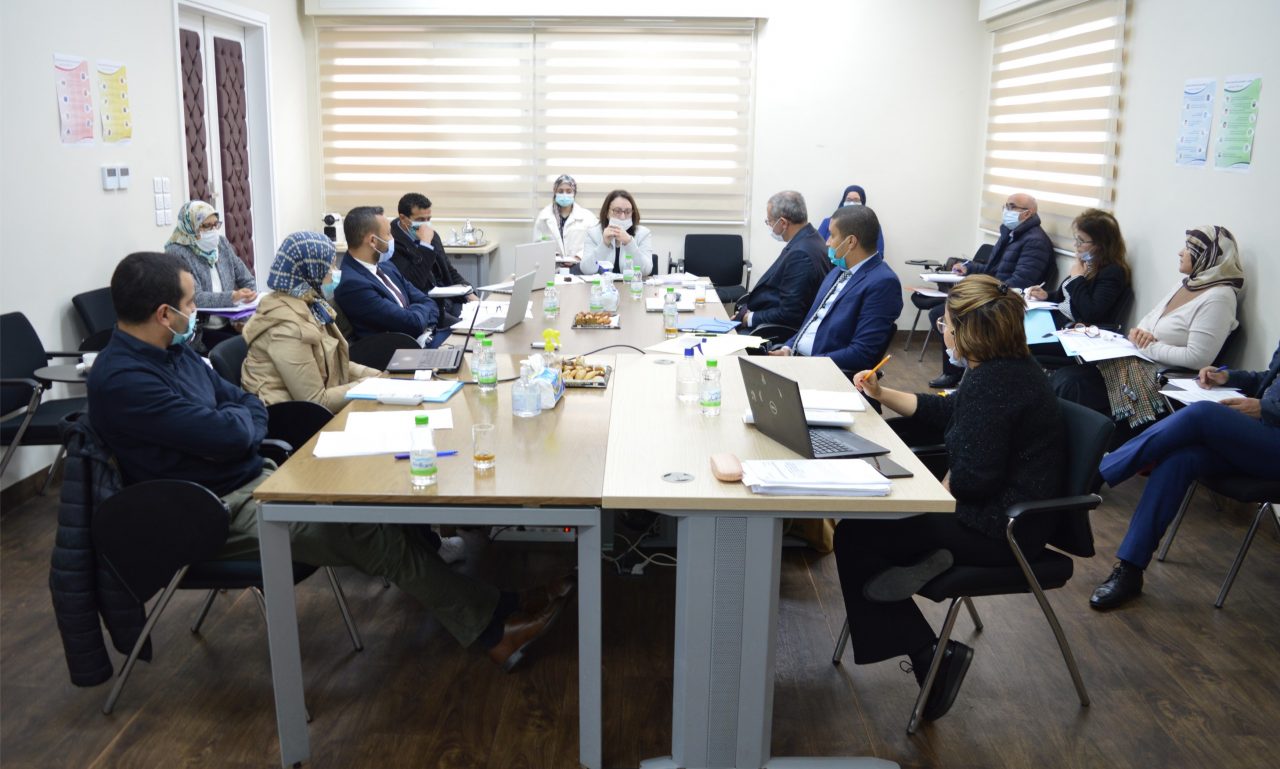
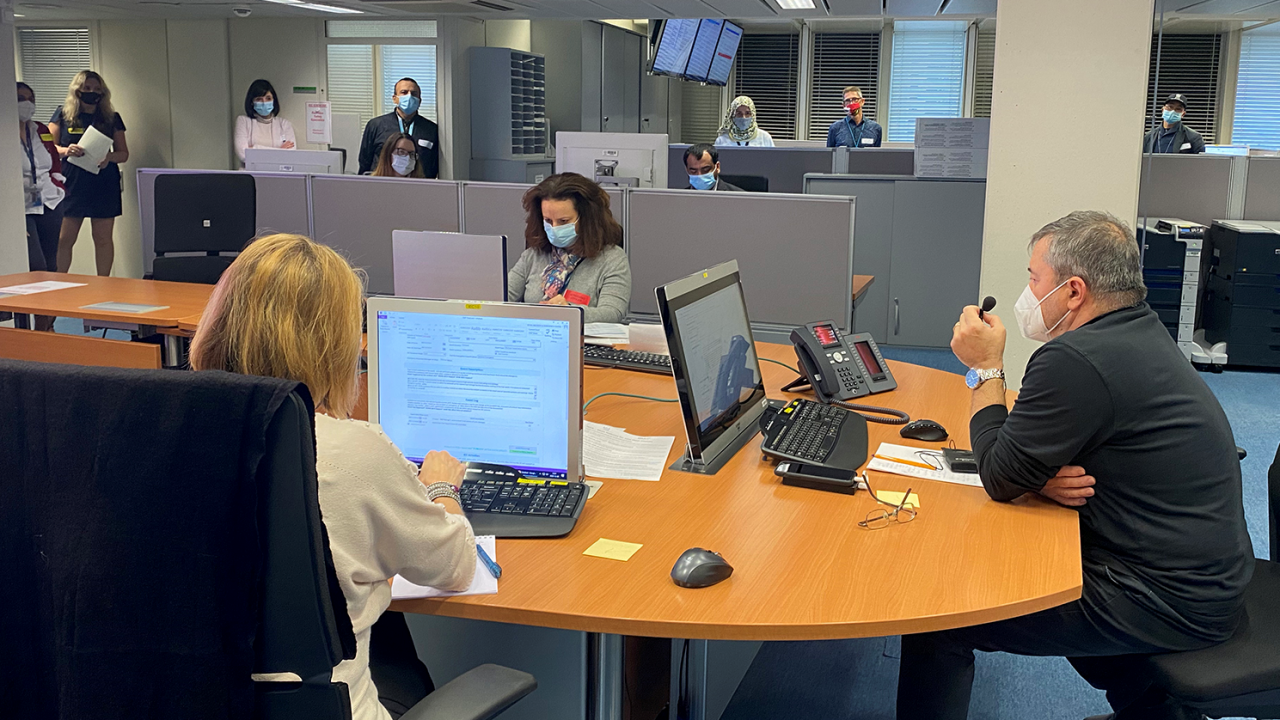
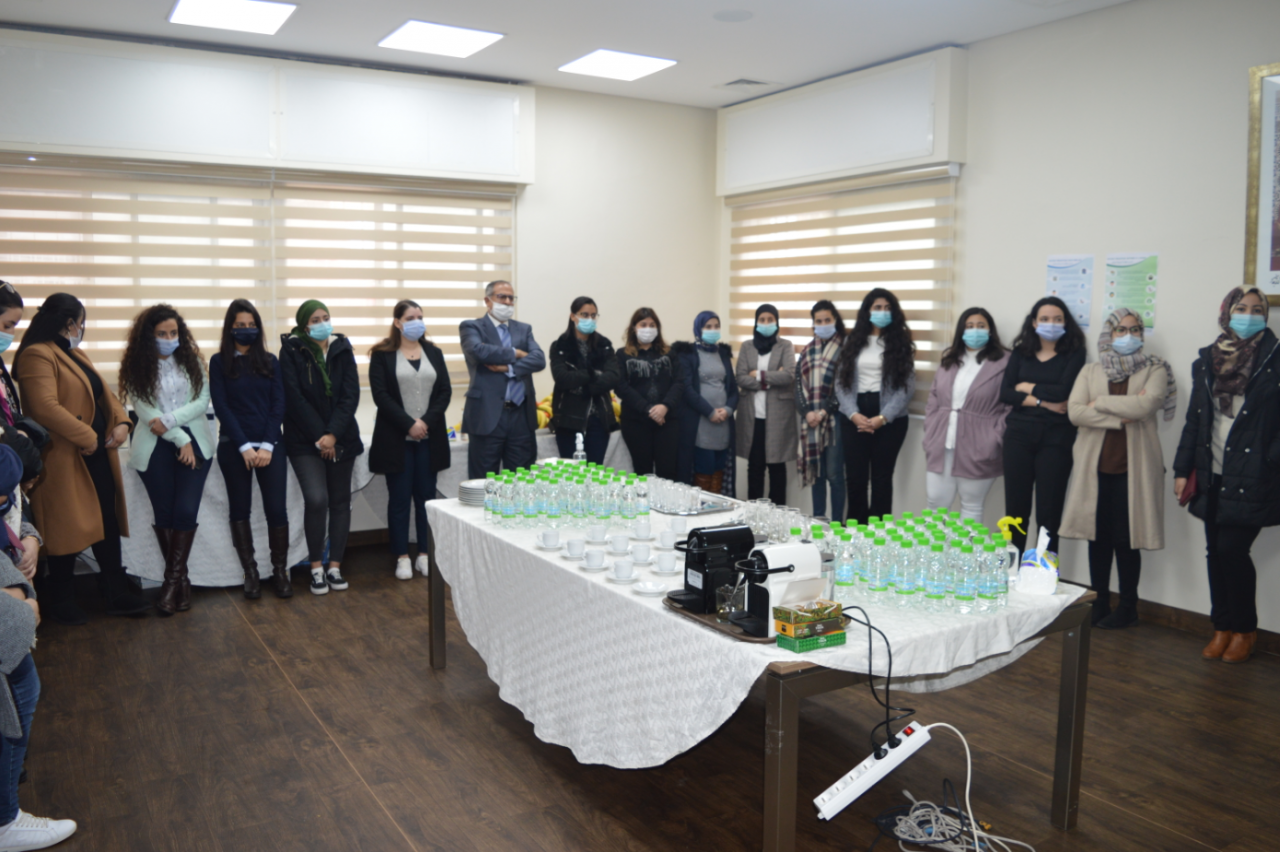
Image3-1280x769.jpg

23 March 2021

As part of the work to upgrade the national regulatory framework for nuclear and radiological safety and security, the Moroccan Agency for Nuclear and Radiological Safety and Security (AMSSNuR) organized from March 12 to 19, 2021 a series of meetings of the thematic working groups from the Regulatory Framework Upgrade Committee (RCC).

These meetings were attended by national stakeholders representing ministerial departments, public institutions and associations of professionals concerned by the purpose of the draft regulatory texts examined.

These meetings of the thematic working groups focused on the presentation and discussion of a decree, two orders, seven technical requirements and a technical regulation listed below:

  • The draft decree on the estimation of the effective dose and the equivalent dose;
  • Draft technical requirements relating to standards for the design, layout and equipment of premises intended to house springs used for medical purposes;
  • The draft technical requirements for the safety of the transport of radioactive materials;
  • The draft technical requirements relating to the categories of approvals for the measurement of radioactivity in the environment;
  • The draft technical requirements for the assessment of public and worker exposure due to radioactive effluent discharges;
  • The draft technical prescriptions relating to the discharge procedures for patients receiving treatment with radionuclides;
  • The draft decree on the import, export and transit authorization regime for nuclear materials, equipment and related technologies;
  • The draft technical requirements on the radiation protection programme applicable to research reactors;
  • The draft technical requirements on the limits and conditions of OLC operation applicable to research reactors;
  • The draft technical regulation on the integrated management system applicable to category I installations;
  • The draft order relating to the content and form of the decommissioning plan applicable to category I installations.

All of these draft regulatory texts will be presented for technical approval at the10th meeting of the Regulatory Framework Upgrade Committee (RCC) scheduled for April. The objective is to ensure the improvement of the level of nuclear and radiological safety and security at the national level and, thus, to protect humans, society and the environment against any risk or malicious act involving nuclear or other radioactive materials.


convex-2b-1280x720.png

15 March 2021

Within the framework of the Convention on Early Notification of a Nuclear Accident and the Convention on Assistance in the Event of a Nuclear Accident or Radiological Emergency, AMSSNuR participated, in close collaboration with the relevant ministerial departments, in the International Atomic Energy Agency’s (IAEA) exercise ConvEx-2b, which took place from 9 to 11 March 2021.
This exercise is the second level of complexity of the exercises organized by the IAEA with the specific objective of testing international arrangements for the provision of assistance in the event of a nuclear or radiological emergency.
During the first day of the exercise, the IAEA’s Incident and Emergency Centre (IEC) received requests for assistance from Member States participating in the exercise.
On the second day of the exercise, the IAEA issued the notification of a hypothetical transport accident involving industrial radioactive gauges that occurred at Mihajlo Pupin Bridge over the Danube in Belgrade. Four people were injured, overexposed and contaminated. The IAEA has sent a request for assistance to Morocco made by Serbia for medical assistance and the reconstitution of doses for the wounded.
Morocco responded favourably to this request to assist in the radiological assessment of the overexposed and contaminated casualties during the accident by providing them with a team of four experts in radiation safety and radiation protection to provide remote advice within the framework of an assistance action plan drawn up in close collaboration with Serbia and the IAEA.
The last day focused on the review and approval of the detailed action plan of the offer of assistance by stakeholders.
This exercise provided an opportunity to exercise national alert and preparedness arrangements for national assistance capacities, thus ensuring an effective response in the event of an emergency and to be able to obtain the possible registration of national capacities in the IAEA response and assistance network.


Capture-decran-2021-03-09-110937-1280x852.png

9 March 2021

As an independent Moroccan regulatory authority in the fields of nuclear and radiological safety and security, AMSSNuR advocates gender parity as part of its human resources strategy, with an organizational structure with 49% women among its employees and 43% women in positions of responsibility.

Indeed, since its establishment in 2016, AMSSNuR has placed particular importance on gender equality and the achievements of women who contribute significantly to the continuous improvement of nuclear and radiological safety, security and safeguards with the aim of ensuring the protection of the public and the environment against the risks associated with the use of ionizing radiation.

On the occasion of International Women’s Day, AMSSNuR reaffirms its commitments to its female employees and takes this opportunity to celebrate its women and above all, the equality and diversity that characterize the Agency’s staff. To this end, AMSSNuR is among the Moroccan public institutions that adopt the gender approach, in particular through concrete and continuous actions. In this sense, AMSSNuR intends to achieve, through its next recruitment operation, a parity rate of 50%.

In addition, AMSSNuR employees continue to confirm their willingness to share their experiences and expertise with the African member states of the International Atomic Energy Agency (IAEA), as well as their determination to contribute to the establishment and strengthening of nuclear and radiological safety and security infrastructures at the national and regional levels. and this through the Forum of Nuclear Regulatory Authorities in Africa (FNRBA) and through bilateral cooperation.

In this sense, AMSSNuR plans to organize in Morocco in 2021, for the first time, a meeting of women in African regulatory authorities (WiNARB) in cooperation with the IAEA, the International Gender Champions Initiative (IGC) and the Global Network of Women in the Nuclear Field (WiN). The aim is to propel cooperation between women in regulatory authorities in the fields of nuclear and radiological safety and security.


8 March 2021

As part of the implementation of the theoretical and practical training strategy in the fields of nuclear and radiological safety and security, the Director General of AMSSNuR, Dr. Khammar Mrabit, signed, on March 5, 2021 in Fez, a partnership agreement with Professor Radouane Mrabet, President of the Sidi Mohamed Ben Abdellah University of Fez (USMBA).

Following the signing of this agreement, the two parties expressed their willingness to combine their efforts to implement this strategy and strengthen the offer of safety and security training in order to meet the needs identified both at the national and regional levels, particularly in Africa, which are estimated at more than 14,000 people for the next five years.

Developed by AMSSNuR and presented to its Board of Directors in November 2019, this strategy was based on the royal guidelines in terms of vocational training and skills development in all socio-economic areas.

In its approach to implementing this strategy, AMSSNuR has initiated several cooperation agreements with the ministries and national authorities concerned as well as with universities.

These agreements, Dr. Khammar Mrabit recalled, aim to strengthen skills at the national level in the fields of nuclear and radiological safety and security as well as cooperation in Africa, in accordance with the royal guidelines on vocational training and skills development in all socio-economic fields.

Thus, the agreement with the USMBA will cover the initial academic training of students, the training of trainers, scientific and regulatory monitoring and regional and international cooperation.

Under this agreement, cooperation between the two parties will focus on the development of training programs related to nuclear and radiological safety and security and the conduct of studies and research, as well as the development of the culture of nuclear safety and security and the awareness of the faculty of the commitments of the Kingdom of Morocco in terms of nuclear safeguards.


Exercises-in-Emergencies-Triggered-by-NSE-VA.png

2 March 2021

Dr. Khammar Mrabit, Director General of the Moroccan Agency for Nuclear and Radiological Safety and Security (AMSSNuR), chaired, on February 25, 2021, a webinar on emergencies triggered by nuclear security events, organized by the International Atomic Energy Agency’s (IAEA) Incident and Emergency Center, for the sharing of information and exchange of experiences on emergency preparedness and response arrangements nuclear security events.

The webinar, which was attended by more than 400 registered participants, was held in Arabic, one of the six official languages of the United Nations system. It was opened by Dr. Mrabit, who recalled the importance of the IAEA’s organization of more and more events in Arabic, which is a great advantage for Arabic-speaking countries, not only because the documents presented are easier to understand, but also because the topics are relevant to the region. Dr. Mrabit also expressed his willingness to strengthen AMSSNuR’s cooperation with the IAEA in order to help the Arabic-speaking member states of the IAEA improve their preparedness and response capacities in the event of nuclear or radiological emergencies.

In addition, a multitude of themes were addressed during this virtual event including (1) raising awareness of nuclear security aspects within the framework of the General Safety Requirements No. GSR Part 7, (2) discussing the challenges of coordinating the response to emergencies triggered by nuclear security events, and (3) raising awareness of the IAEA’s role in preparing for and responding to a nuclear or radiological emergency triggered by a nuclear security event.

In addition, Dr. Mrabit presented the experience of the Kingdom of Morocco, as a Member State of the IAEA, which organized, in collaboration with the IAEA, the very successful ConvEx-3 crisis exercise in 2013, entitled Bab Al Maghrib and in which 59 countries and 8 regional and international organizations took part.

Finally, Dr. Mrabit referred to the good practices that the Kingdom of Morocco has identified and adopted following the organization and participation in this type of exercises, by a significant number of national participants who have demonstrated their firm commitment to ensure the continuous improvement of the preparedness and response to nuclear or radiological emergencies that may occur on the national territory or likely to affect it.


AMSSNuR-UIT-1280x851.jpg

2 March 2021

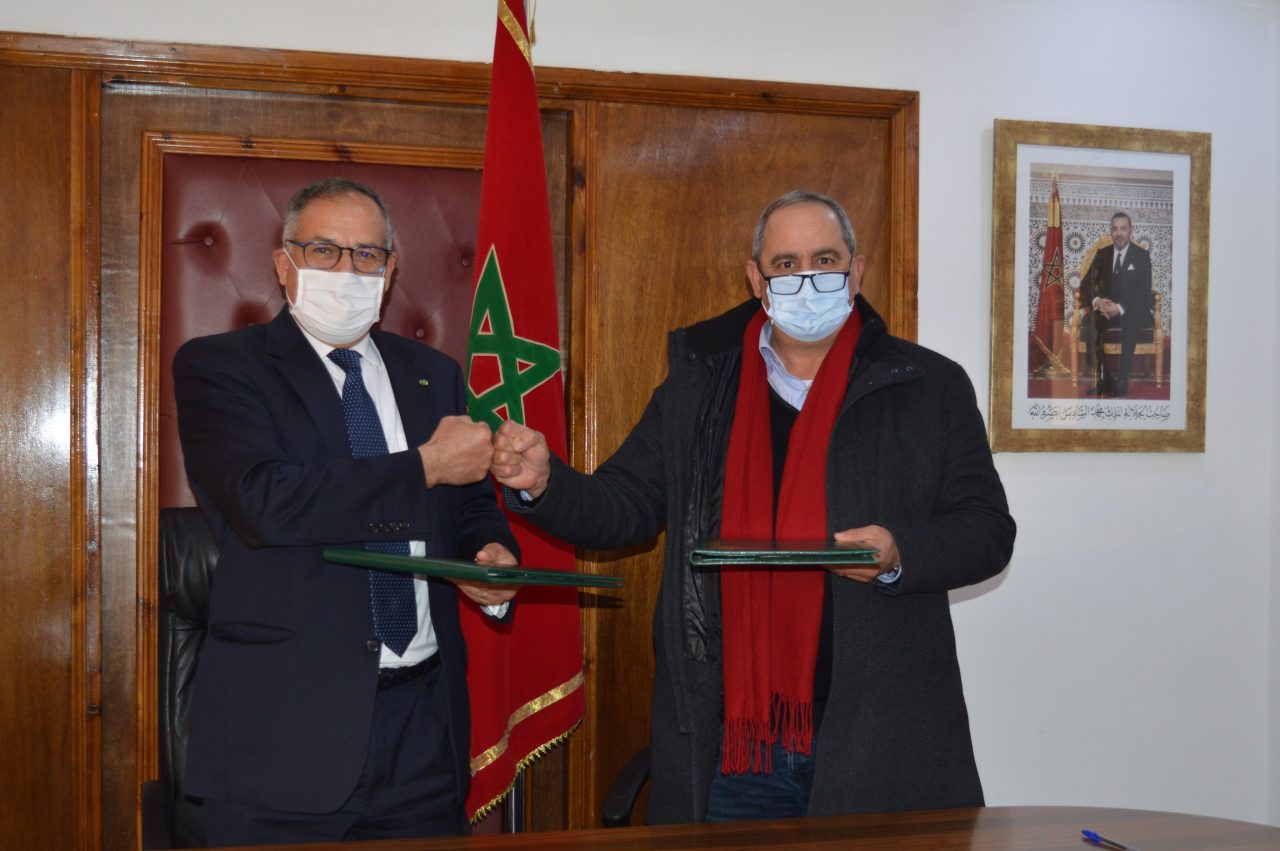
As part of the implementation of the theoretical and practical training strategy in the fields of nuclear and radiological safety and security, the Director General of AMSSNuR, Dr. Khammar Mrabit, signed, on Tuesday, February 23, 2021, a partnership agreement with Professor Azzedine El Midaoui, President of the Ibn Tofail University of Kenitra (ITU).

On the occasion of the signing of this agreement, the two parties expressed their willingness to join efforts to implement this strategy and strengthen the offer of safety and security training in order to meet the needs identified both at the national and regional levels, particularly in Africa, which are estimated at more than 14,000 people for the next five years.

Developed by AMSSNuR and presented to its Board of Directors in November 2019, this strategy was based on the royal guidelines in terms of vocational training and skills development in all socio-economic areas.

In its approach to implementing this strategy, AMSSNuR has initiated several cooperation agreements with the ministries and national authorities concerned as well as with universities.

These agreements, Dr. Khammar Mrabit recalled, aim to strengthen skills at the national level in the fields of nuclear and radiological safety and security as well as cooperation in Africa, in accordance with the royal guidelines on vocational training and skills development in all socio-economic fields.

Thus, the agreement with Ibn Tofail University will cover the initial academic training of students, the training of trainers, scientific and regulatory monitoring and regional and international cooperation.

Under this agreement, cooperation between the two parties will focus on the development of training programs related to nuclear and radiological safety and security and the conduct of studies and research, as well as the development of the culture of nuclear safety and security and the awareness of the faculty of the commitments of the Kingdom of Morocco in terms of nuclear safeguards.

On the sidelines of the signing of this agreement, Dr. Mrabit was able to exchange with the students and faculty of the Faculty of Science by leading a conference-debate on the regulatory framework for nuclear and radiological safety and security and the role and achievements of AMSSNuR since its creation in 2016.

Similarly, the AMSSNuR delegation, composed of its Director General and representatives of the Department of Nuclear Safety and the Communication Service, visited the Analysis Center, the Higher School of Technology, the National School of Applied Sciences and the University Library and was able to discuss future cooperation actions between the Agency and the various institutions under the ITU.