NRBC.jpg

30 May 2025

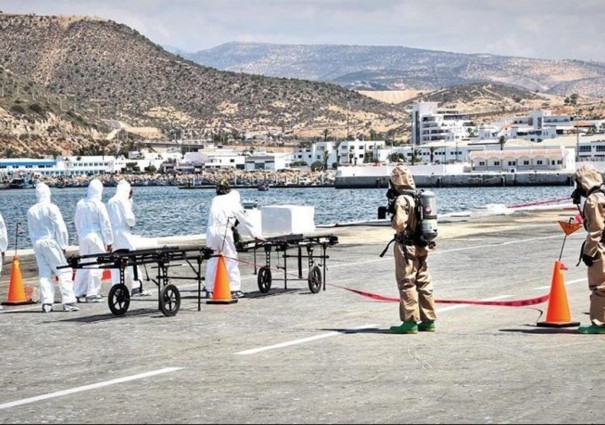
As part of the Moroccan-American military cooperation in disaster management, an exercise to counter Weapons of Mass Destruction (C-WMD) took place on Tuesday at the military port of Agadir.

This training occurred during the combined Moroccan-American exercise “African Lion 2025,” held in accordance with the High Instructions of His Majesty the King, Supreme Commander and Chief of General Staff of the Royal Armed Forces.

It focuses primarily on conducting reconnaissance operations, neutralizing improvised Weapons of Mass Destruction, radiological dispersal devices, and CBRN (Chemical, Biological, Radiological, Nuclear) decontamination.

This exercise aims to further enhance the operational and tactical capabilities of the CBRN, Flood Rescue (Diving), and EOD (Explosive Ordnance Disposal) companies of the FAR’s Rescue and Salvage Unit (USS) to face a crisis situation involving radiological, chemical, and explosive risks.

Through a scenario utilizing the personnel and material resources of the CBRN, Flood Rescue, and EOD companies of the FAR’s Rescue and Salvage Unit, this exercise was designed to practice ship decontamination techniques and develop procedures for countering Improvised Explosive Devices (IEDs).

Focused on an interconnected scenario very close to reality, the theme of the C-WMD exercise will enable the CBRN, Flood Rescue, and EOD companies of the FAR’s Rescue and Salvage Unit to intervene effectively to manage an incident involving chemical, radiological, and explosive agents.

The scenario of this exercise, which took place in the presence notably of Major General Mohammed Benouali, South Zone Chief of Staff, and Brigadier General Daniel Cederman, Deputy Commanding General-Reserve- of the U.S. Army Southern European Task Force, Africa (SETAF-Africa), consists of an intervention to secure the port of Agadir upon the arrival of a suspicious vessel carrying WMD materials.

Indeed, Moroccan and Ghanaian special forces launched a boarding operation on the vessel using maritime assault techniques before taking full control of the ship and securing the area.

Subsequently, the special forces teams undertook a meticulous inspection of the vessel which revealed the presence of materials and equipment associated with weapons of mass destruction (WMD).

Clandestine laboratories and containers of chemical agents were discovered in various compartments of the ship.

The CBRN and EOD teams of the USS will be deployed to assess and neutralize the threats, using a drone and specialized equipment.

In parallel, USS divers, assisted by specialized divers from the Royal Navy, inspected the hull to detect any potential explosive devices, while experts from the Defense Threat Reduction Agency (DTRA) supervised the technical reconnaissance and recommended specific measures for managing the chemical agents.

Finally, the USS CBRN team carried out decontamination, triage, medical care operations, as well as air and ground evacuation of victims to receive necessary care.

Launched on the 12th of this month, the “African Lion 2025” Exercise runs until May 23rd, in the regions of Agadir, Tan-Tan, Tiznit, Kenitra, Benguerir, and Tifnit.

It aims to strengthen military cooperation between Morocco and the United States, develop interoperability, and enhance intervention capabilities in a multinational context, thus contributing to the promotion of security, peace, and stability in the region.

The 21st edition of the “African Lion” Exercise also includes parallel humanitarian and social actions.

Source: article written by L’Opinion with MAP, 20 March 2025.
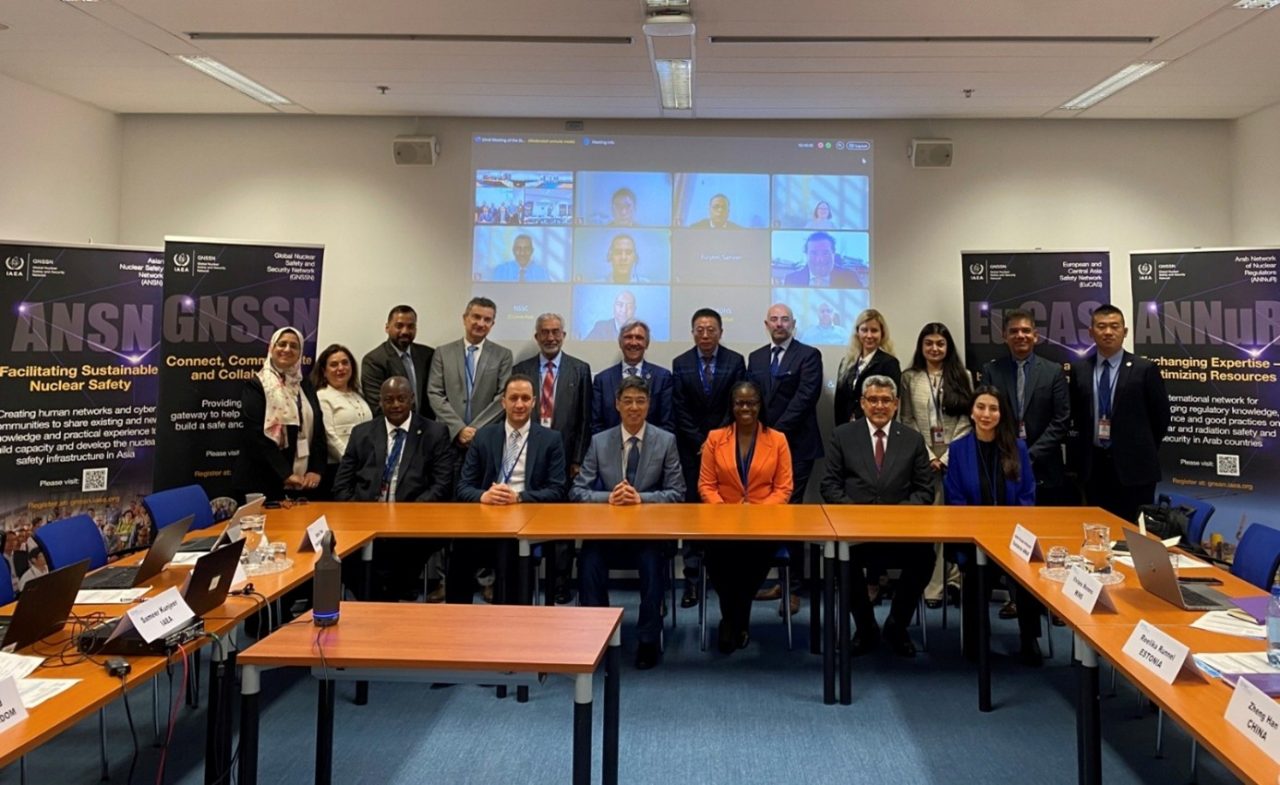

Image1-1-1280x785.jpg

26 May 2025
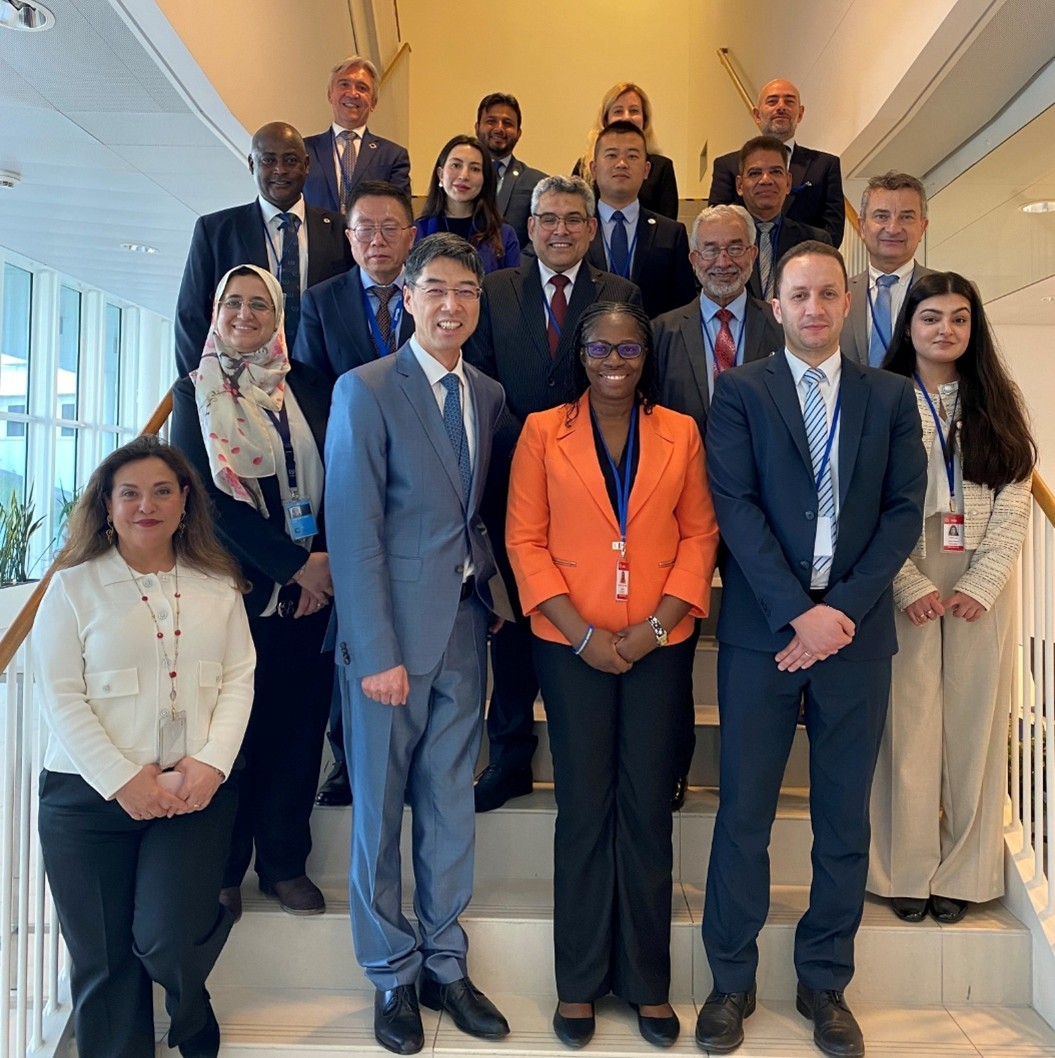
Vienna – Underscoring Morocco’s prominent role in global nuclear safety and security, the Austrian capital recently hosted the 22nd Steering Committee meeting of the Global Nuclear Safety and Security Network (GNSSN). Held from April 28th to 30th, 2025, under the auspices of the International Atomic Energy Agency (IAEA), the gathering marked a pivotal moment for evaluating the network’s accomplishments and defining its future trajectory.
Representing the Moroccan Agency for Nuclear and Radiological Safety and Security (AMSSNuR) at this significant international forum was Mr. Reda NOUR, the  Secretary General of AMSSNuR. He attended on behalf of Mr. Saïd MOULINE,  Director General of AMSSNuR and current President of the GNSSN. The meeting served as a strategic platform to review the substantial progress made by the network, placing particular emphasis on capacity-building initiatives, through specialized training programs designed to empower Member States in developing and strengthening their national nuclear safety and security infrastructures.
The discussions extended beyond the network’s overall achievements to assess the advancements made by its constituent regional networks. This focus aimed to foster enhanced interregional cooperation and ensure a more effective synchronization of international efforts within this critical field.
A rigorous review of the GNSSN’s 2025-2026 action plan was also undertaken during the meeting. The objective was to guarantee that the network’s strategies remain optimally aligned with the emerging and rapidly evolving challenges in nuclear safety and security. This forward-looking approach seeks to adapt to the constantly changing global landscape and bolster the resilience of national systems.
Key conclusions from the meeting underscored the importance of consolidating collaboration among Member States. Promoting the exchange of knowledge and best practices was highlighted as essential for strengthening national nuclear regulatory systems. Furthermore, the meeting emphasized the necessity of intensifying efforts to support states in reinforcing their domestic legal and regulatory frameworks. This involves organizing targeted training workshops and reviewing existing legislative measures to ensure the safe, secure, and sustainable management of diverse nuclear technologies.
In essence, the Vienna meeting reaffirmed the GNSSN’s vital role as a cornerstone of international cooperation in nuclear safety and security. The network stands as a central hub for connecting expertise, facilitating knowledge sharing among Member States, and diligently working towards the responsible and secure utilization of nuclear technologies across the globe.
Looking ahead, the next meeting of the GNSSN Steering Committee is scheduled to take place in the final quarter of 2025.

Image1.jpg

2 May 2025

Amman, April 29, 2025

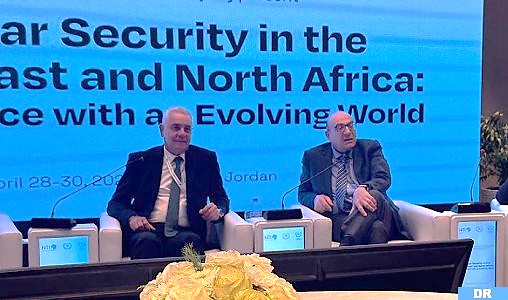
– On the sidelines of the high-level international workshop on nuclear security, held from April 28 to 30 in Amman, Jordan, Mr. Saïd Mouline, Director General of the Moroccan Agency for Nuclear and Radiological Safety and Security (AMSSNuR), called for coordinated national and regional strategies to confront the rapidly evolving threats posed by nuclear and radiological risks in an increasingly technology-driven world.

In his address, Mr. Saïd Mouline highlighted the emergence of major challenges, including those related to artificial intelligence, cybersecurity, and the rapid expansion of civil nuclear programs—particularly in the MENA region. He emphasized the need for enhanced regional cooperation, grounded in open dialogue, mutual trust, and support for the International Atomic Energy Agency’s (IAEA) programs.

Mr. Saïd Mouline underscored Morocco’s ongoing efforts, through AMSSNuR, to establish a robust regulatory infrastructure, supported by an Integrated Nuclear Security Support Plan (INSSP) developed in collaboration with the IAEA. This approach is driven by a strategic vision focused on capacity building and the sustainability of national expertise.

He reaffirmed Morocco’s strong commitment to global nuclear security, noting key milestones such as AMSSNuR’s designation by the IAEA as the first Regional Centre  for nuclear security infrastructure in Africa, Morocco’s active participation in the Nuclear Security Summits, and the organization of the 3rd International Conference of Regulators in 2019.

Mr. Saïd Mouline concluded by commending the organization of this workshop—a joint effort by the Jordan Atomic Energy Commission, the Nuclear Threat Initiative (NTI), and the IAEA—which he described as a strategic platform for anticipating emerging threats and enhancing collective resilience across MENA countries.


Image3.png

8 April 2025

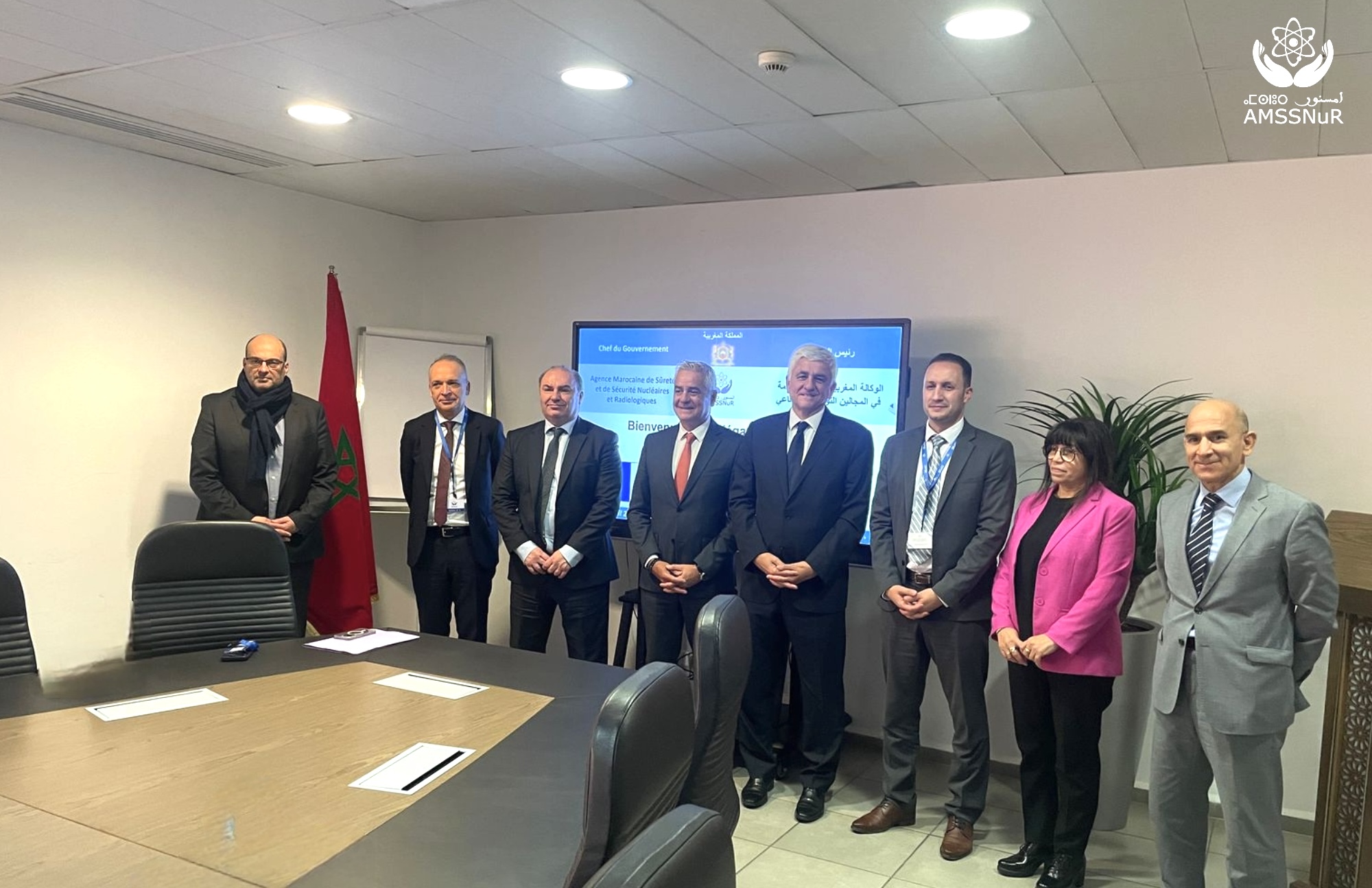
Rabat, April 4, 2025 – Mr. Saïd Mouline, Director General of the Moroccan Agency for Nuclear and Radiological Safety and Security (AMSSNuR), accompanied by the Secretary General and department directors, welcomed a French delegation led by Mr. Hervé Morin, President of the Normandy Region, during an official visit to Morocco. The delegation also included Presidents of universities and engineering schools.

This meeting provided a significant opportunity for both parties to explore avenues for collaboration in the field of training, particularly in radiological protection, skill development, and capacity-building for professionals in the nuclear and radiological sectors.

Mr. Saïd Mouline, after highlighting the excellence of bilateral relations between Morocco and France, presented the core missions of AMSSNuR, emphasizing its role as the national regulator and its strategy aimed at strengthening Morocco’s nuclear and radiological safety and security framework. He highlighted ongoing efforts in training, especially through the establishment of the African Regulator School in partnership with the International Atomic Energy Agency (IAEA), aimed at training future African regulators.

In turn, the French delegation presented a wide array of training opportunities, including radiological protection programs, trainer development courses, online training modules, and academic pathways. Mr. Hervé Morin praised the distinctive and robust nature of Morocco-France relations, underscoring that Morocco is a historic partner with a dynamic development trajectory. He expressed his satisfaction with the shared commitment to establishing concrete, sustainable, and mutually beneficial cooperation.

The meeting concluded with a joint commitment to deepen this collaboration, defining concrete steps for the implementation of joint projects aimed at strengthening expertise in nuclear and radiological fields.


Maital.jpg

8 April 2025

Vienna, Austria, IAEA Headquarters, March 17-28, 2025 – In accordance with the provisions of the Joint Convention on the Safety of Radioactive Waste Management and the Safety of Spent Fuel Management, ratified by Morocco in 2002, a national delegation composed of representatives from the Moroccan Embassy in Vienna/Austria, the Moroccan Agency for Nuclear and Radiological Safety and Security (AMSSNuR), and the National Center for Energy, Nuclear Sciences, and Techniques (CNESTEN) participated in the 8th Review Meeting of National Reports from March 17 to 28, 2025.

At the opening of the meeting, Mr. Rafael GROSSI, Director General of the International Atomic Energy Agency (IAEA), highlighted the growing interest among Member States in small modular reactor (SMR) technology and emphasized that this meeting represented an opportune and crucial occasion to reflect on lessons learned from the past and reaffirm the importance of early planning and implementation of safe radioactive waste and spent fuel management policies and strategies for the future.

This 8th review meeting, held at the IAEA headquarters in Vienna, aimed to present the national reports of the contracting countries on the safety of radioactive waste and spent fuel management, within an efficient, rigorous, and transparent process. This would lead to the identification of good practices and performance, reinforcing the global safety regime. More than 1,000 delegates from 77 contracting countries, grouped into eight Working Groups, gathered for ten days to share their experiences and lessons learned on the safe, secure, and responsible management of spent fuel and radioactive waste, and to respond to various questions posed to each country.

Regarding the national report, AMSSNuR’s representative, in their role as the focal point for this convention, delivered Morocco’s presentation on March 18, 2025, as part of the work of Working Group 5, in which Morocco participated alongside the United Kingdom, France, Italy, Argentina, EURATOM, Thailand, Benin, Eritrea, Madagascar, and Oman.

The presentation focused on Morocco’s national program for the management of radioactive waste and spent fuel, notably the legislative, regulatory, and institutional framework involved in this process, as well as the national inventory of radioactive waste and sealed radioactive sources that are no longer in use. The presentation also addressed the developments in the national program since the 7th Review Meeting in 2023, the common issues identified, and Morocco’s efforts to improve the safety of radioactive waste management.

Additionally, the national presentation included responses to questions and comments raised during the 8th Review Meeting process, as well as good practices and successful actions undertaken by Morocco.

At the conclusion of the presentation, the representatives of the Contracting Parties in Working Group 5 commended Morocco’s efforts in terms of the regulatory approach adopted and the operational practices implemented to strengthen and ensure the long-term safety of radioactive waste and spent fuel management.

Regarding the regulatory aspect, members of Group 5 praised the development and certification of AMSSNuR’s integrated management system, which they deemed a best practice contributing to good governance and the promotion of a safety culture. This best practice will be cataloged in the Joint Convention’s database, accessible to all contracting parties.

As for the good performance encouraged by the Joint Convention, the results of the EPREV and IRRS missions, hosted by Morocco in 2022 and 2023 respectively, as well as the national efforts made, were highly appreciated as values of transparency and good governance to be shared at the regional and international levels.

Additionally, it is worth mentioning that, upon the proposal of the presidency of the 8th meeting, Morocco was invited to a roundtable on March 24, 2025. The aim of this roundtable is to share Morocco’s experience in Knowledge Management applied to the management of radioactive waste and the management of disused sealed radioactive sources at the national level.


IMG_0991.jpg

8 April 2025

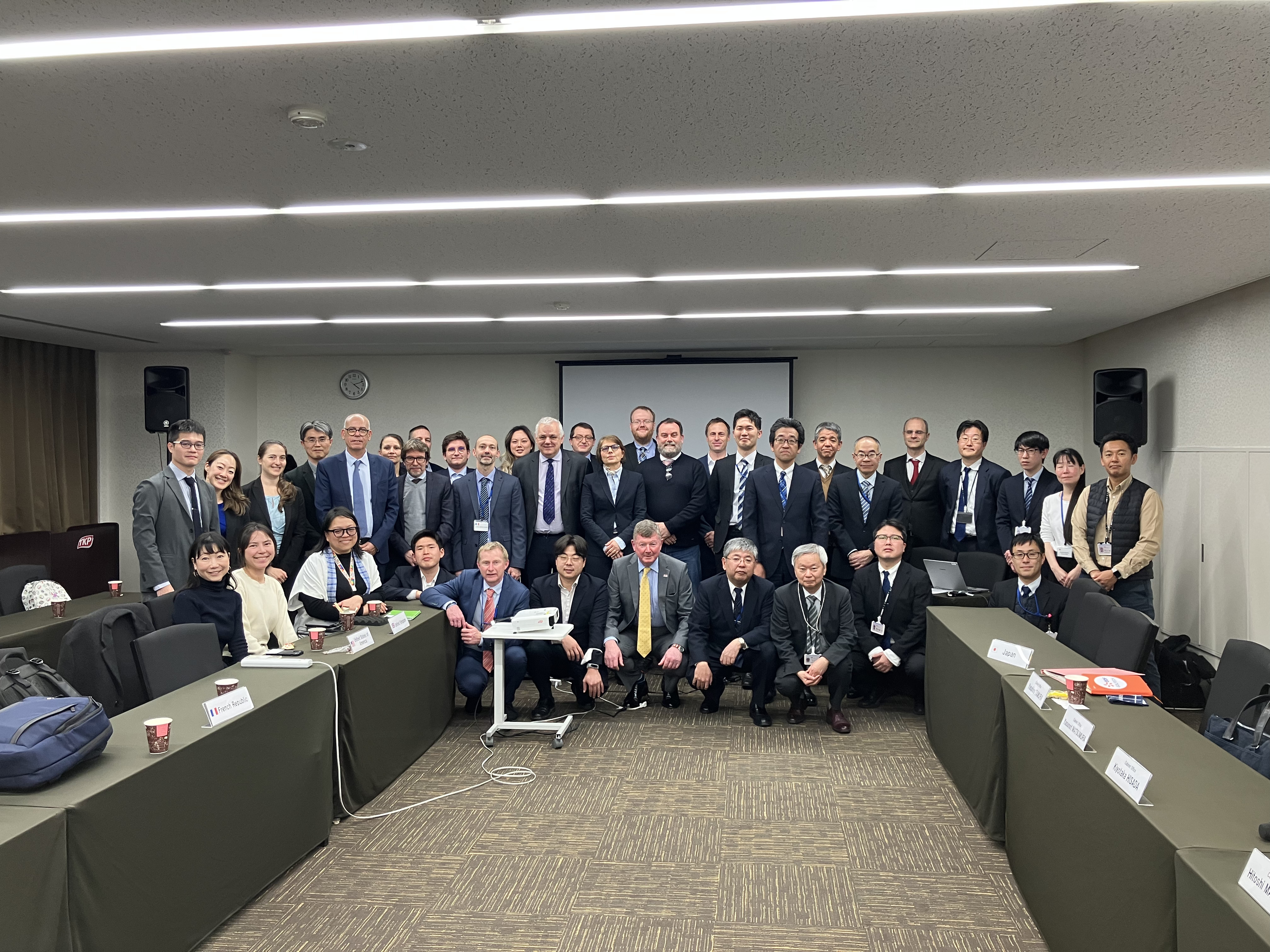
As part of its technical cooperation with the International Atomic Energy Agency (IAEA), the Moroccan Agency for Nuclear and Radiological Safety and Security (AMSSNuR) took part as an observer in the international nuclear disaster prevention exercise held in Japan. This event, referred to as FY2024, took place from 14 to 17 February 2025.

The exercise was conducted at two key locations: Kagoshima Prefecture and the headquarters of the Nuclear Regulation Authority (NRA) in Tokyo. Delegations from several countries, including Morocco, gathered to exchange knowledge and best practices in the field of nuclear and radiological emergency preparedness and response.

As an observer, AMSSNuR closely followed the proceedings of this exercise, which aimed to test emergency response plans under a realistic scenario involving an earthquake affecting the Sendai nuclear power plant. The exercise featured several critical actions, including:

  • The evacuation of 1,300 residents to safe zones—an intricate yet vital operation to ensure public protection.

  • The deployment of advanced technologies such as drones and robots to monitor and intervene in areas deemed too hazardous for human access.

  • Enhanced coordination between local and national authorities to ensure a swift and effective crisis response.

  • The implementation of innovative systems, including QR codes, to track and manage evacuated populations.

AMSSNuR’s participation in this initiative underscores its commitment to strengthening international cooperation and highlights its active role in sharing experience and enhancing capacities necessary to respond to nuclear or radiological emergencies, both nationally and globally.


IMG_1087.jpg

3 April 2025

Rabat, March 25, 2025 – Dr. Leila Benali, Minister of Energy Transition and Sustainable Development, presided over the eighth session of the Board of Directors of the Moroccan Agency for Nuclear and Radiological Safety and Security (AMSSNuR).

In her address, the Minister emphasized the strategic role of AMSSNuR in strengthening nuclear and radiological safety and security, in alignment with the highest international standards. She highlighted the ongoing efforts to implement Law No. 142-12, which governs safety and security in these fields.

Since 2021, AMSSNuR has accelerated the adoption of regulatory texts, resulting in the publication of six regulations in the Official Bulletin, with four more pending approval. The year 2024 also marked a significant increase in authorization and inspection activities, with 2,658 authorizations issued—an average of 221 per month—representing a 25% increase compared to 2023. Additionally, 240 inspections were conducted, covering 850 facilities utilizing ionizing radiation sources in the health, agriculture, and industrial sectors.

On the international cooperation front, Minister Benali reaffirmed Morocco’s commitment to modernizing its regulatory framework. She praised the Integrated Regulatory Review Service (IRRS) mission hosted in November 2023, which provided 19 recommendations, six suggestions, and highlighted four good practices. The Minister also underscored the signing of a framework cooperation program with the International Atomic Energy Agency (IAEA) for the 2024-2029 period, with a budget of €3 million. This program aims to implement nine priority projects related to nuclear and radiological safety and security.

Furthermore, Mr. Saïd Mouline, Director General of AMSSNuR, presented the agency’s key achievements for 2023 and 2024, highlighting major progress in regulatory missions, particularly in authorization issuance, inspection, and monitoring. He also emphasized the strengthening of bilateral and multilateral relations, which led to the establishment of the African School of Regulatory Authorities in partnership with the IAEA. This initiative showcases AMSSNuR’s leadership at the continental level.

Additionally, the agency has intensified its cooperation with the European Commission and the Belgian Institute for Radioelements (IRE-Lab) to expand the national radiological monitoring network, named ELMARSAD. AMSSNuR has also strengthened its human resources development capacity by launching a training program to qualify highly skilled experts, ensuring the sustainability of expertise and the enhancement of regulatory oversight in nuclear and radiological safety and security.

The session featured constructive discussions among Board members, who unanimously commended the achievements and ambitions presented by Mr. Saïd Mouline. A consensus emerged on the need to maintain and expand support for the agency to further enhance its effectiveness and contribution to the country’s socio-economic policies.

In conclusion, Minister Leila Benali praised AMSSNuR’s remarkable performance, emphasizing its crucial role in the regulatory oversight of radiological applications and its contribution to strengthening nuclear and radiological safety and security.

This eighth Board of Directors session reflects the agency’s commitment to continuing its efforts to ensure the safe and sustainable development of the nuclear sector in Morocco.


sonde.png

3 April 2025

The Kingdom of Morocco has officially joined the International Radiation Monitoring System (IRMIS) of the International Atomic Energy Agency (IAEA), becoming its 51st member and the first African country to join this system. This membership marks a significant advancement in strengthening international efforts in radiological monitoring and nuclear emergency management. The system enables the collection, reporting, and visualization of large amounts of radiation data in the environment, facilitating a rapid and coordinated response in the event of a nuclear or radiological incident.

Since its launch in 2016, IRMIS has gradually expanded to 51 countries, including several in Europe, North America, Asia, and the Middle East. This expansion reflects the global commitment to more transparent and effective radiological monitoring.

Morocco’s integration into this international network strengthens cooperation among Member States in nuclear and radiological safety and security, while also enhancing the country’s national capabilities for environmental radioactivity monitoring.

It is worth noting that, as part of its environmental radiological monitoring strategy, the Moroccan Agency for Nuclear and Radiological Safety and Security (AMSSNuR) is involved in two cooperation projects with the European Union aimed at enhancing national capabilities in radiological monitoring and developing the national network called ELMARSAD for

“Environmental Live Moroccan Automatic Radiological Surveillance and Detection.”

As part of this initiative, a national agreement has been established with the Directorate General of Meteorology to enhance the collection and analysis of environmental data, ensuring continuous and efficient monitoring of the national territory.


Image-IRE-Lab.jpg

3 April 2025

Rabat, February 26, 2025 – The Moroccan Agency for Nuclear and Radiological Safety and Security (AMSSNuR) hosted a working meeting on February 25 and 26, 2025, with officials from the National Institute for Radioelements (IRE-Lab) of Belgium. This meeting is part of Task 3 of Technical Cooperation Project No. 440-866, titled “Support to AMSSNuR for the Establishment of a Radiological Monitoring System for the Moroccan Territory.”

Co-financed by the European Commission (EC) and conducted in partnership with IRE-Lab, this cooperation project is structured around three key areas. Task 3 specifically aims to provide AMSSNuR with the necessary support to establish a national off-line radiological environmental monitoring program while strengthening accredited laboratories for environmental radioactivity measurement.

During the meeting, participants initiated discussions on implementing a radiological monitoring program for the Moroccan territory through sampling and laboratory analysis. In this context, high-risk areas—including mining sites, nuclear medicine centers, wastewater treatment plants, and seawater desalination stations—were identified and examined with IRE-Lab experts.

Based on the assessment carried out under Task 1 of the project, the currently available environmental radioactivity measurement resources in Morocco were reviewed. These findings will serve as the foundation for designing a periodic monitoring program aligned with international standards and best practices adopted in Belgium while considering Morocco’s national capabilities.

Furthermore, Task 3 of the project includes conducting audits of accredited radioactivity measurement laboratories, identifying areas for improvement, and organizing inter-comparison exercises. Training sessions tailored to the needs of laboratories, particularly on ISO 17025 standards, are also planned.

This working meeting marks the second activity under Task 3, following the launch meeting held on September 11 and 12, 2024, which brought together representatives from the National Center for Energy, Nuclear Science, and Technology (CNESTEN) and the National Center for Radiation Protection (CNRP). The first meeting allowed laboratories from both institutions to present their fields of expertise and their needs in environmental monitoring.

Ultimately, Task 3 of this technical cooperation project represents a strategic opportunity to strengthen collaboration between AMSSNuR and accredited environmental radioactivity measurement laboratories. By leveraging IRE-Lab’s expertise, this initiative directly contributes to protecting the public and the environment from the risks associated with ionizing radiation.


Image1.jpg

20 March 2025

On the occasion of the 37th Regulatory Information Conference (RIC), held in Rockville, Maryland, Mr. Saïd Mouline, Director General of the Moroccan Agency for Nuclear and Radiological Safety and Security (AMSSNuR), met with Mr. David A. Wright, the newly appointed Chairman of the United States Nuclear Regulatory Commission (USNRC).

During this meeting, Mr. Mouline warmly congratulated Mr. Wright on his appointment before discussing ways to further strengthen cooperation between the two institutions. This collaboration, which dates back to 2017 and was reinforced with the extension of the Memorandum of Understanding in 2022, has led to significant progress in nuclear and radiological safety.

“The USNRC is a strategic partner with whom we share a common vision: a continuously strengthened and proactive approach to nuclear safety. We are convinced that this enhanced cooperation will bring real added value, not only for Morocco but also for the entire African continent.” – Saïd Mouline

The discussions particularly focused on capacity building in Africa through initiatives such as the African School of Radiological Safety for New Regulators, established in partnership with the International Atomic Energy Agency (IAEA). Mr. Mouline emphasized the importance of this initiative for the continent:

“Developing expertise in nuclear safety is essential to ensuring a safer future. Africa needs local expertise, and we are proud to contribute—alongside the USNRC and the IAEA—to training the regulators of tomorrow.”

Coinciding with the celebration of the USNRC’s 50th anniversary, AMSSNuR’s participation in this 37th edition of the RIC underscores its ongoing commitment to positioning itself as a key player in strengthening nuclear safety at both the regional and international levels.

By continuing its cooperation with the USNRC, AMSSNuR is further developing its technical and strategic capabilities to better address future challenges. The agency remains fully committed to this dynamic and firmly believes that expertise exchange and knowledge sharing are essential to ensuring a safer future and fostering globally responsible behavior.