
Photo-du-Groupe-1280x720.jpg

30 January 2026

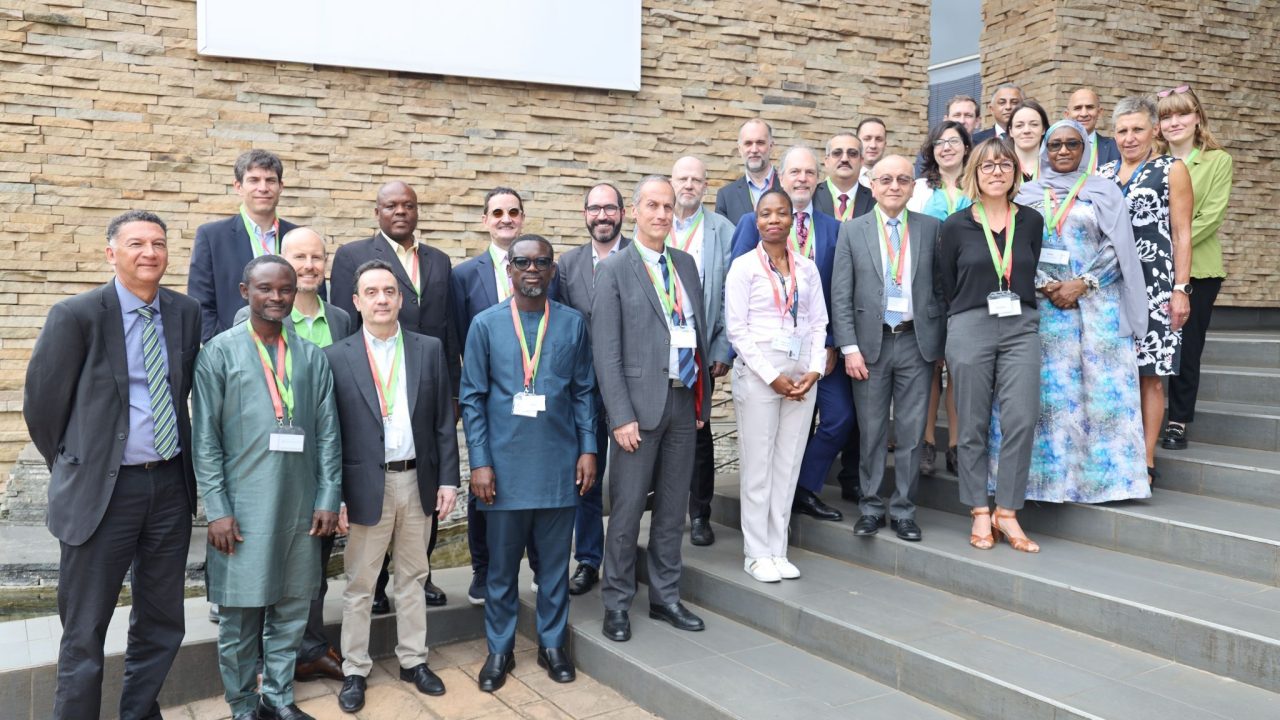
Pretoria, 14–16 January 2026 – As part of the implementation of the Nuclear Safety Cooperation Project (INSC), funded by the European Union and aimed at strengthening African regulatory capacities in the fields of nuclear and radiological safety, a delegation from the Moroccan Agency for Nuclear and Radiological Safety and Security (AMSSNuR), represented by its Secretary General, Mr. Reda Nour, accompanied by the Head of the Nuclear Safety, Security and Safeguards Department, took part in the second bilateral follow-up meetings of the project, as well as the second meeting of its Steering Committee, held from 14 to 16 January 2026 in Pretoria, South Africa.

Hosted by the South African National Nuclear Regulator (NNR), these meetings brought together more than thirty representatives from the European Commission, the project manager Expertise France, as well as nuclear and radiological safety authorities from Africa and Europe, notably from Belgium, Finland, Spain, France, the Kingdom of Morocco, South Africa, Egypt, Ghana, and Nigeria.

The meetings focused on reviewing the progress made in implementing the 2025 action plans for each beneficiary safety authority, as well as defining and validating the strategic and operational orientations of the 2026 action plan. Particular emphasis was placed on capacity building, training planning, on-site technical assistance missions, and knowledge and expertise transfer activities.

In this context, the AMSSNuR delegation presented a detailed overview of the activities carried out in 2025, notably marked by the organization of the project’s kick-off meeting in February 2025, the conduct of six workshops and training sessions totaling more than 30 days of capacity-building activities, and active participation in several international technical and scientific events.

The delegation also highlighted the impact of these activities, which benefited more than 60 representatives from African authorities, as well as AMSSNuR staff and other national institutions, thereby contributing to the development of competencies in nuclear safety, radiation protection, and emergency preparedness and response.

Discussions enabled the definition of the main orientations of the 2026 action plan, which includes more than fifty bilateral, multilateral, and remote activities, with an overall estimated budget of 1.5 million euros.

The Steering Committee meeting, bringing together the Directors General of the African partner authorities, resulted in the official validation of the 2026 action plan and the launch of a new phase of the project.

On this occasion, European partners praised the dynamic role played by AMSSNuR, describing it as a regional model for the exemplary integration of project activities into its strategic objectives and for the assessment of the impact of cooperation with the European Union on strengthening its national and regional capacities in nuclear and radiological safety.

Through this active participation, AMSSNuR reaffirms its commitment to implementing the 2026 action plan, sustainably strengthening national competencies in nuclear and radiological safety, promoting leadership and a strong safety culture, and sharing its experience with African partner authorities, thereby contributing to responsible and cooperative nuclear governance across the African continent.
RCF-Mod.png

4 July 2025

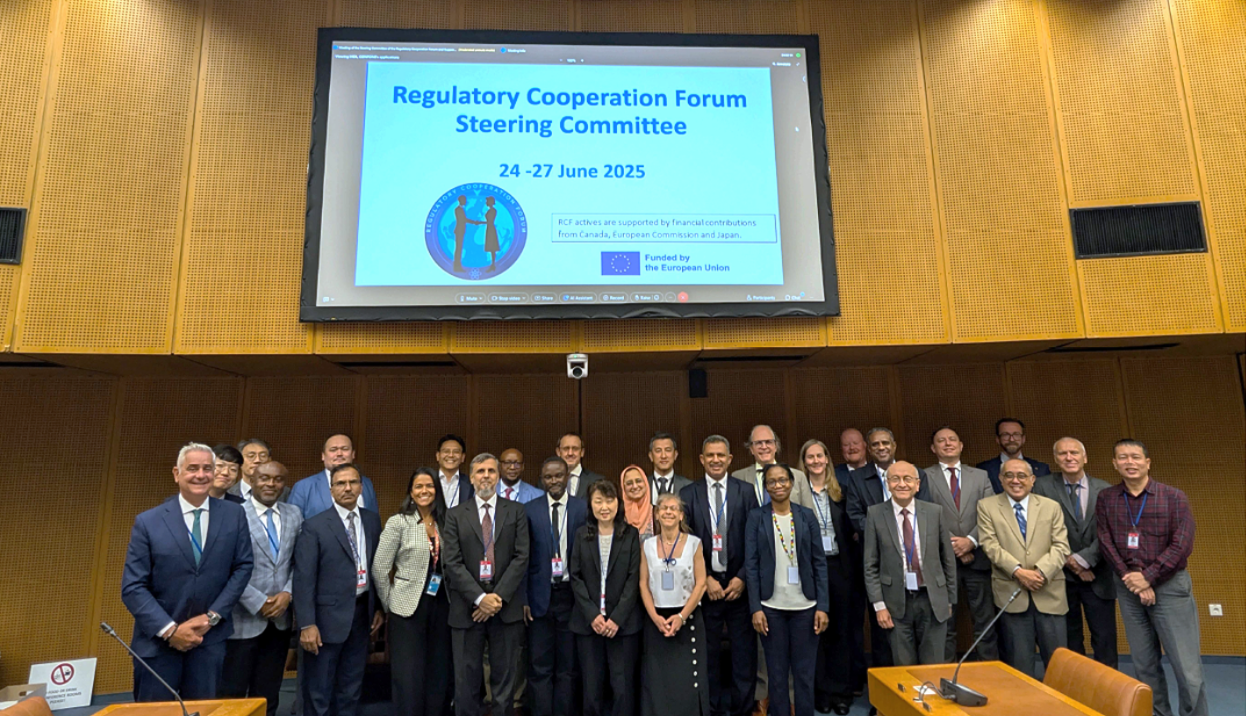
Vienna, Austria – The Moroccan Agency for Nuclear and Radiological Safety and Security (AMSSNuR), represented by its Director General, Mr. Saïd MOULINE, took part in the Steering Committee Meeting of the Regulatory Cooperation Forum (RCF), as well as the related support meeting, organized by the International Atomic Energy Agency (IAEA) from 24 to 27 June 2025 in Vienna, Austria.

Established in 2010, the RCF serves as a platform for regulatory bodies from nuclear countries to promote and enhance collaboration and coordination with countries planning to introduce or expand the use of nuclear energy, as well as with relevant international organizations.

During this meeting, RCF members reviewed the progress made in developing regulatory infrastructure among active beneficiary countries, discussed cooperation mechanisms to foster the exchange of knowledge and experiences among members, examined key performance indicators for each cooperation project, and made strategic decisions on policy and implementation matters.

In his high-level intervention, Mr. Mouline presented AMSSNuR’s strategy for strengthening regulatory capacity, reaffirming its commitment to positioning itself as a strong, exemplary, and independent authority, fully dedicated to protecting people and the environment from the harmful effects of ionizing radiation. He highlighted several structuring actions, stressing the importance of enhanced cooperation at both national and international levels with institutions, technical partners such as the IAEA, GNSSN, and RCF, as well as with the academic community.

Mr. Mouline also recalled the establishment of the African School for Radiological Safety Regulators, launched with IAEA support, as a continental platform for training, mentoring, and knowledge exchange aimed at developing regulatory competencies across Africa. He further underscored AMSSNuR’s role as an IAEA Collaborating Centre in emergency preparedness and response, as well as in nuclear security, having hosted over 90 activities since its designation.

Moreover, Mr. Mouline emphasized the significance of AMSSNuR’s ISO 9001 certification for its Integrated Management System, demonstrating its strong commitment to governance, organizational excellence, and continuous improvement.

He also addressed the challenges of sustaining regulatory capabilities, particularly regarding the management of radioactive ores and emergency preparedness, submitting targeted support requests to the RCF.

AMSSNuR’s participation in these meetings once again highlighted its active role in strengthening international cooperation and regulatory vigilance, its strategic involvement in IAEA networks, and its continued commitment to supporting African countries in upgrading their regulatory frameworks.


Photo-web.jpg

20 February 2025

As part of its vision to strengthen cooperative relations at both regional and international levels, the Moroccan Agency for Nuclear and Radiological Safety and Security (AMSSNuR) has intensified its bilateral engagements with representatives of regulatory bodies operating in its areas of expertise. These exchanges aim to open new avenues for collaboration and lay the groundwork for future joint projects.

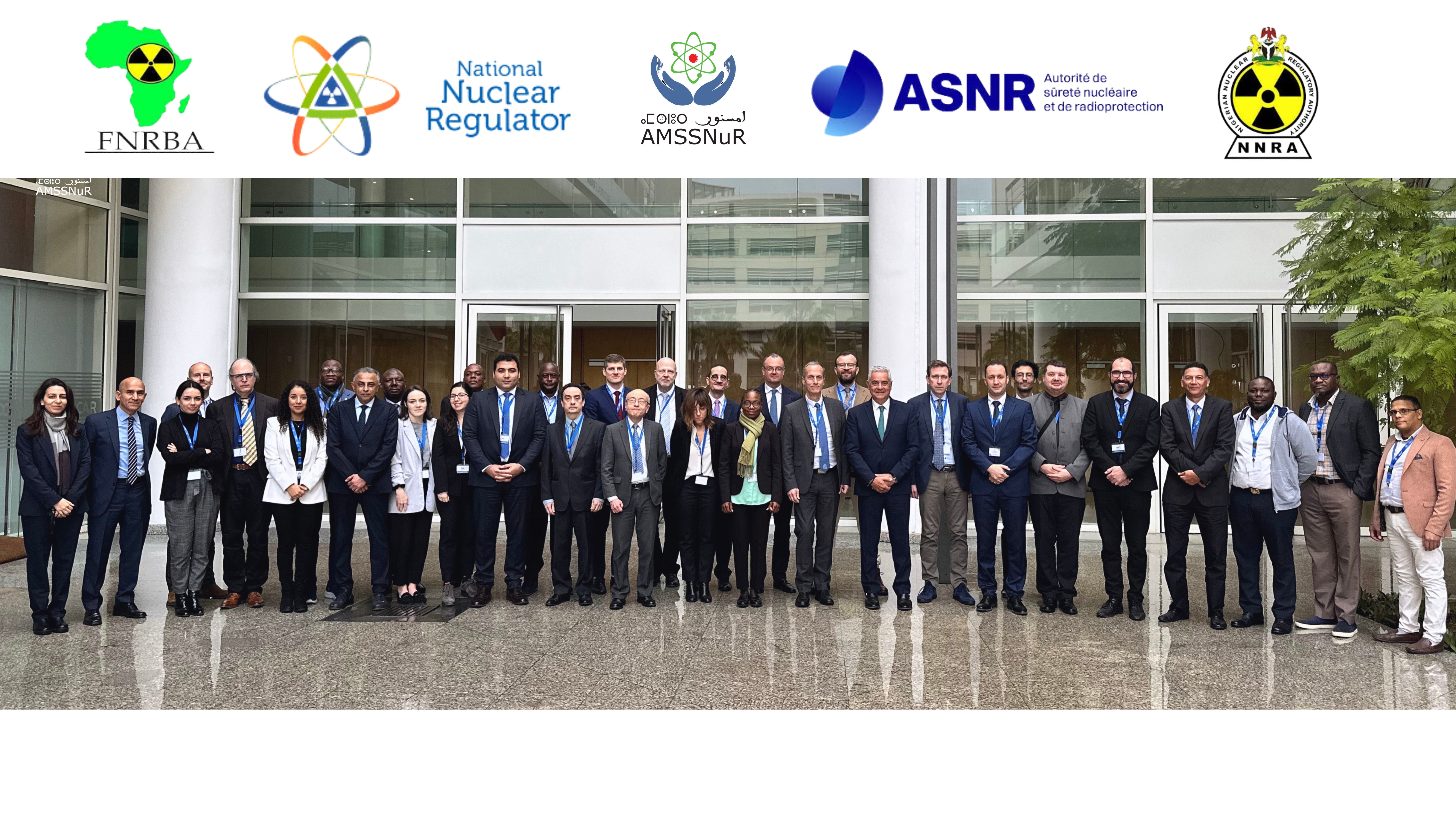
In this context, Mr. Saïd MOULINE, Director General of AMSSNuR, successively hosted Mr. Jean-Luc LACHAUME, Commissioner of the French Authority for Nuclear Safety and Radiation Protection (ASNR), Ms. Ditebogo KGOMO, Chief Executive Officer of the National Nuclear Regulator of South Africa (NNR), and Mr. Yau IDRIS, Director General of the Nigerian Nuclear Regulatory Authority (NNRA) and Chair of the Forum of Nuclear Regulatory Bodies in Africa (FNRBA). These meetings, held on the sidelines of the launch of the INSC project in Rabat from February 11 to 13, 2025, provided an opportunity to explore avenues of cooperation between AMSSNuR and these institutions, both bilaterally and multilaterally, with the aim of enhancing nuclear and radiological safety and security.


In the same spirit, Mr. MOULINE also welcomed Mr. James KETER CHUMBA, Director General of the Kenyan Nuclear Regulatory Authority (KNRA), during a working visit. This meeting served as an opportunity to share AMSSNuR’s regulatory oversight experience and to strengthen cooperation between the two institutions on topics of mutual interest.


Through these initiatives, AMSSNuR reaffirms its commitment to strengthening regulatory capacities in Africa and establishing robust collaborative frameworks for effective, harmonized, and sustainable nuclear safety.


GetAttachmentThumbnail.jpg

23 January 2025

The International Atomic Energy Agency (IAEA) has published the report of the Integrated Regulatory Review Service (IRRS) mission and has concluded that the Kingdom of Morocco is committed to strengthening its regulatory framework for nuclear and radiological safety. The country has made significant progress in establishing a new legal and regulatory framework, but further efforts are needed to move from the 1971 law to aligning regulations with IAEA safety standards. The mission, conducted at the request of Morocco and hosted by AMSSNuR, consisted of a 10-day review by a team of 16 experts, who assessed various facilities, including research reactors and radiotherapy departments. The IRRS team recognized Morocco’s proactive efforts, including a comprehensive integrated management system and a geographic information system (GIS) for emergency response. However, it recommended improvements in regulatory oversight, the establishment of a national nuclear safety policy and the guarantee of regulatory independence for licensing decisions.

The mission highlighted AMSSNuR’s good performance in international cooperation, communication and emergency preparedness, making it a potential model for regulators in Africa. The IAEA has recognized Morocco’s commitment to transparency and continuous improvement.

The conclusions aim to strengthen the effectiveness of Moroccan regulations and ensure alignment with global safety standards to protect people and the environment from the risks associated with ionizing radiation.

Click to view the report